Efflorescence on Pavers and Concrete in South Florida
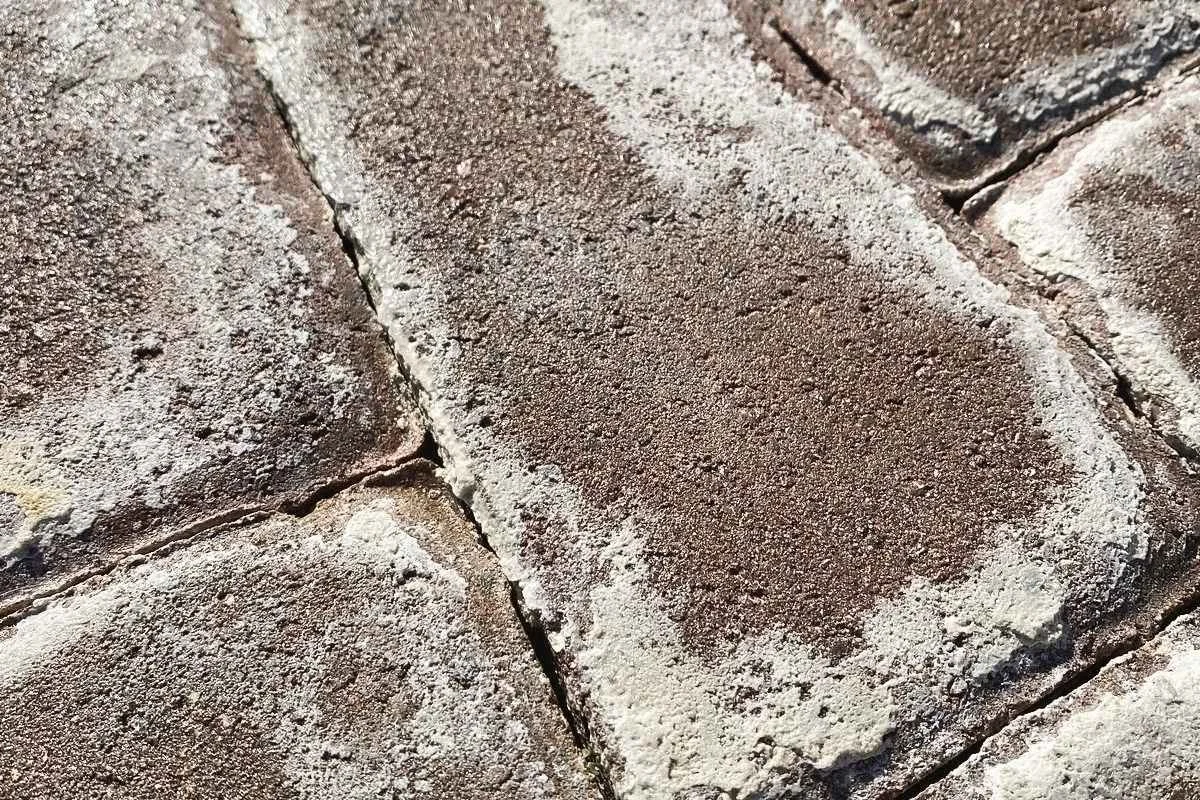
White stains on pavers and concrete are one of the most misunderstood surface issues in South Florida.
They can look like dirt, leftover cleaner, hard water residue, or even mold — but in many cases, the issue is something different.
In Coral Springs and across Broward County, white mineral residue is especially common because outdoor surfaces are constantly exposed to humidity, irrigation, rain, porous materials, and repeated moisture cycles.
That white, chalky film may be efflorescence: mineral salts moving through the surface and crystallizing as moisture evaporates.
If the underlying moisture movement is not understood, the residue can return after cleaning.
That is why efflorescence should be evaluated differently from ordinary dirt, algae, or surface staining.
What Is Efflorescence?
Efflorescence is a mineral deposit, not a surface stain.
Concrete, brick pavers, and many types of stone contain natural salts within their structure. When moisture moves through the material, it carries those salts to the surface. As the water evaporates, the minerals crystallize — leaving behind the familiar white residue.
This process is especially common in Florida because of:
constant humidity
frequent rain
irrigation systems
porous building materials
Efflorescence isn’t a sign of poor-quality pavers.
It’s a sign of active moisture movement inside the surface.
Homeowners and commercial property owners throughout Broward County often mistake these white deposits for surface dirt — when in reality, they originate from within the material.
Why Pressure Washing Alone Doesn’t Fix Efflorescence
Pressure washing can remove the visible residue — temporarily.
But it doesn’t address the cause.
In many cases, aggressive washing actually:
opens the pores of the surface even more
removes joint sand
allows moisture to penetrate deeper
That’s why homeowners often notice the white haze reappearing weeks after cleaning, sometimes worse than before.
Efflorescence isn’t sitting on the surface.
It’s coming from within.
This is also why pressure washing and professional sealing should not be treated as the same service.
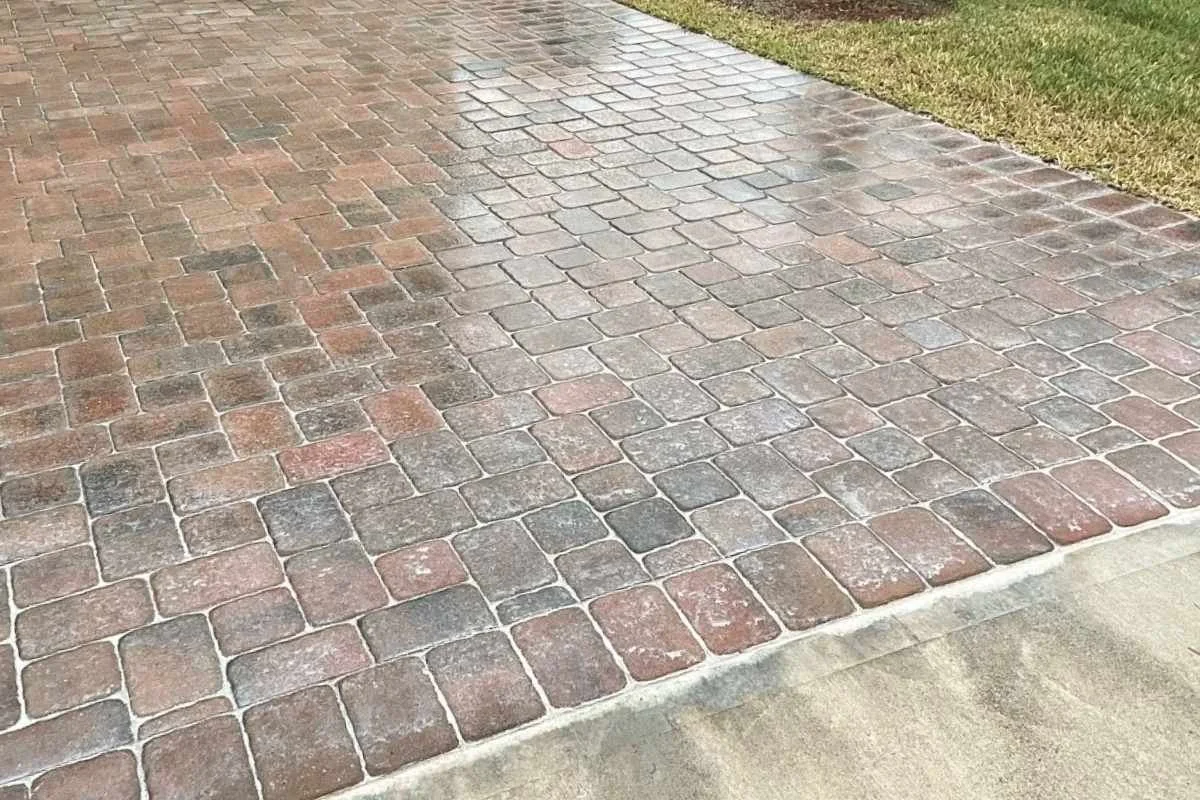
Efflorescence vs. White Haze After Sealing
Not every white mark on pavers is the same issue.
Some white residue is true efflorescence: mineral salts moving through the paver or concrete and crystallizing on the surface as moisture evaporates.
But white or cloudy areas can also be related to other conditions, such as:
moisture trapped under or within a previous sealer layer
sealer applied before the surface was ready
old sealer buildup
product residue
uneven application
surface contamination before sealing
This is why diagnosis matters.
If the white appearance is caused by mineral movement, the surface may need efflorescence treatment and moisture evaluation.
If the issue is related to old sealer, trapped moisture, or a failed previous application, the solution may be different.
In some cases, applying more sealer over the problem can make the surface look worse.
Before resealing pavers with white haze, the surface should be evaluated to understand whether the issue is mineral-based, sealer-related, or a combination of both.
Not sure if your pavers have efflorescence or sealer haze?
White residue, cloudy sealer, trapped moisture, and mineral deposits can look similar, but they may require different preparation steps before sealing.
A Common Mistake: Treating Minerals Like Organic Growth
One of the reasons efflorescence is so often mismanaged is because it’s mistaken for mildew, algae, or dirt.
Products designed for organic growth work by breaking down living organisms.
Efflorescence is not organic — it’s mineral-based.
Using cleaners meant for algae or mold on mineral deposits may:
fail to remove the stains properly
leave residues behind
contribute to recurring crystallization
That’s why professional treatment begins with correct diagnosis, not just stronger cleaning.
Not every white stain needs the same solution.
How Professional Efflorescence Treatment Works
A proper efflorescence treatment focuses on neutralizing mineral deposits, not masking them.
At BravaSurface, the process follows three principles:
1. Target the Minerals — Not the Surface
Mineral-specific cleaners are used to dissolve and lift salt deposits without damaging the material or forcing moisture deeper into the substrate.
2. Control Moisture Movement
Efflorescence is fueled by water. Treating it without addressing moisture pathways leads to repeat problems.
3. Prepare the Surface for Protection
Efflorescence treatment is not the final step — it’s preparation. Once the surface is properly cleaned and neutralized, it becomes ready for sealing when appropriate.
This approach reduces recurrence and preserves the integrity of the material.
When Sealing May Help After Efflorescence Treatment
Sealing can be useful after efflorescence treatment, but it should not be rushed.
Efflorescence is connected to moisture movement. If the surface is still holding moisture, if drainage issues are active, or if mineral movement has not been properly addressed, sealing too soon may create new problems.
When the surface is properly cleaned, evaluated, neutralized, and allowed to dry, professional paver sealing in Broward County may help limit new water intrusion, support joint sand stability, and make ongoing maintenance easier.
The goal is not to trap moisture inside the surface.
The goal is to manage the surface properly, allow vapor movement when needed, and protect the pavers or concrete from new exposure.
That balance is what separates a thoughtful sealing process from a short-term cosmetic fix.
When Pavers Should Not Be Sealed Yet
Sometimes the right answer is to wait.
Pavers may not be ready for sealing if:
white residue is still actively returning
the surface is holding moisture
the joints are unstable or missing sand
old sealer is peeling, cloudy, or uneven
stains have not been properly treated
rain or irrigation has recently saturated the surface
the cause of the white haze is still unclear
In these cases, sealing too soon may affect the final appearance and performance of the surface.
A professional evaluation helps determine whether the surface is ready for sealing or whether it first needs treatment, drying time, stripping, cleaning, resanding, or additional preparation.
When Efflorescence Is Most Likely to Appear
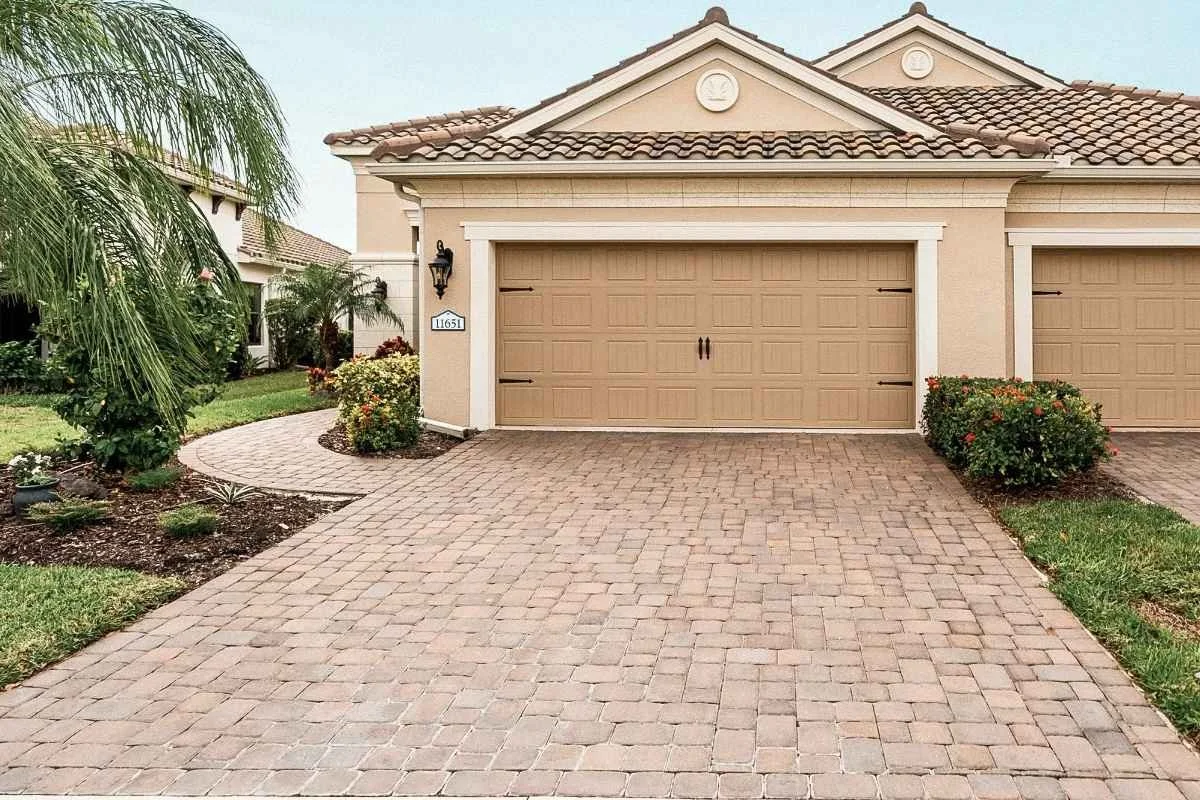
Efflorescence often shows up:
after new installations
following heavy rain seasons
after repeated pressure washing
when joint sand is missing or unstable
In many cases, it’s not a failure — it’s a signal that the surface needs a more complete care approach.
The Bottom Line
Efflorescence is not ordinary dirt.
It is not mold.
And it is not solved by washing harder.
It is usually a mineral process connected to moisture movement through pavers, concrete, or stone.
That is why the right approach starts with diagnosis.
Before cleaning, sealing, or resealing, the surface should be evaluated to understand whether the white residue is true efflorescence, sealer haze, trapped moisture, old product buildup, or another surface condition.
At BravaSurface, based in Coral Springs and serving Broward County, we focus on evaluation, preparation, and surface-specific care.
Because in South Florida, exterior surfaces do not just need to look clean.
They need to be understood before they are treated.
Need help understanding white stains on your pavers or concrete?
A surface evaluation can help determine whether the issue is efflorescence, sealer haze, trapped moisture, old product buildup, or another surface condition.
Let your surface speak.