
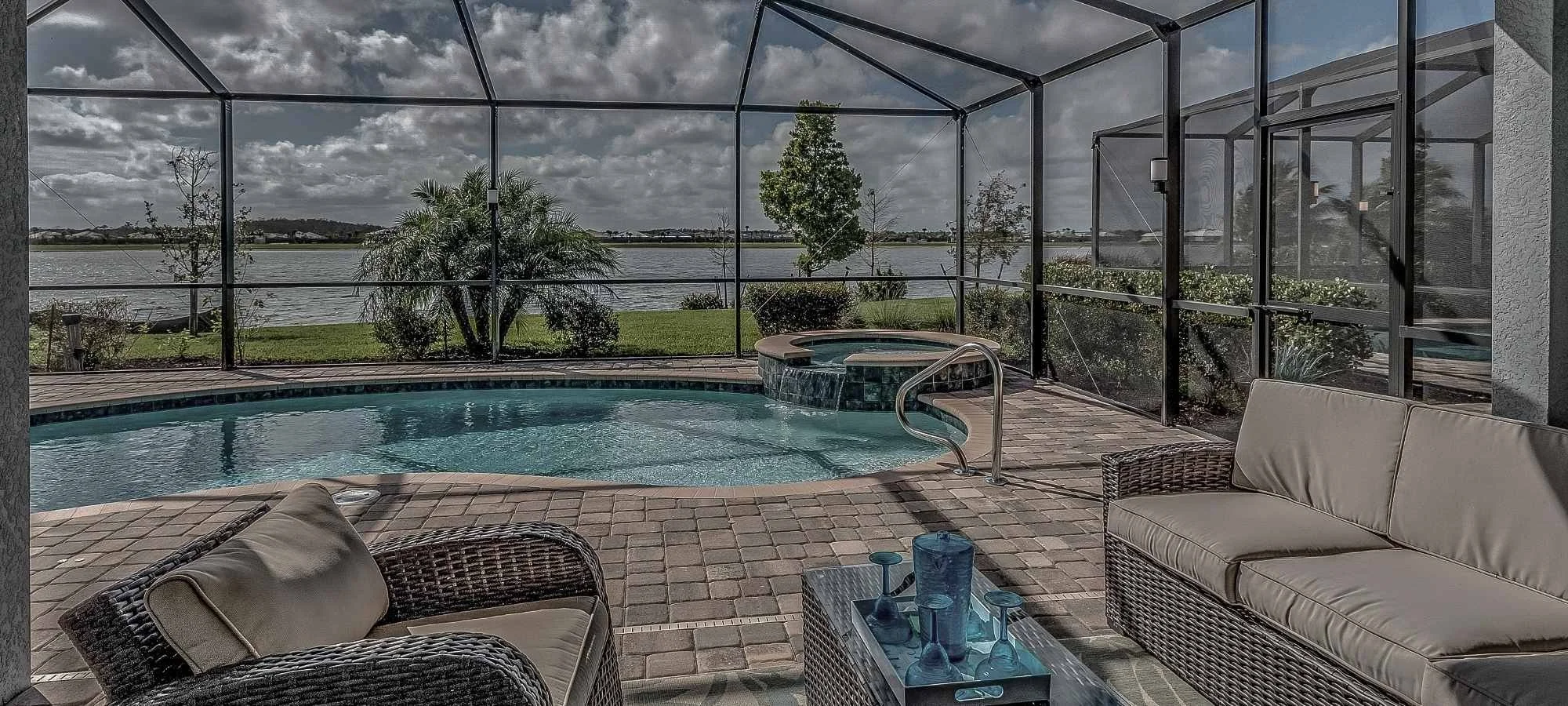
Patio Cleaning in Broward County
Professional patio cleaning for travertine, natural stone, brick pavers, concrete, pool areas, covered patios, and outdoor living spaces across Broward County.
Based in Coral Springs · Serving Broward County · Licensed & Insured · Commercial & HOA-Ready · English & Spanish
Licensed & Insured
·
Commercial & HOA-Ready
·
Based in Coral Springs
·
Serving Broward County
·
English & Spanish
·
Licensed & Insured · Commercial & HOA-Ready · Based in Coral Springs · Serving Broward County · English & Spanish ·
What Professional Patio Cleaning Involves
Patio cleaning is not just about making an outdoor area look better. The right approach depends on the surface material, buildup level, moisture exposure, shade, drainage, pool environment, and overall condition.
For travertine, natural stone, brick pavers, concrete, and decorative patio surfaces, professional cleaning may include surface evaluation, pretreatment, organic growth treatment, controlled pressure washing, soft washing when appropriate, rinse control, and final review.
The goal is to restore a cleaner, safer, and more inviting outdoor living space while using the right method for each surface.
“Outdoor living spaces need surface-specific care.”
Patio Surfaces We Clean
Not all patio surfaces respond the same way to cleaning. Surface texture, porosity, joint conditions, previous treatments, and moisture exposure can all influence how a patio should be cleaned.
-
Travertine Patios
Travertine is common in South Florida outdoor spaces and pool areas. Proper cleaning helps remove organic buildup while preserving the natural appearance of the stone.
-
Natural Stone Patios
For marble, limestone, shellstone, and other exterior stone surfaces that require material-specific cleaning based on porosity, texture, and condition.
-
Brick Paver Patios
For paver patios affected by dirt, algae, weeds, joint buildup, organic material, and weather-related discoloration.
-
Concrete Patios
For concrete patios with algae growth, mildew buildup, surface discoloration, dirt accumulation, and moisture-related staining.
Additional patio and outdoor living areas may include:
✦ Covered patio areas
✦ Poolside surfaces
✦ Outdoor entertainment spaces
✦ Adjacent walkways
✦ Screen enclosure surroundings
✦ Outdoor dining areas
✦ Covered patio areas
✦ Poolside surfaces
✦ Adjacent walkways
✦ Screen enclosure surroundings
✦ Outdoor dining areas
✦ Outdoor entertainment spaces
More Than Just the Patio Surface
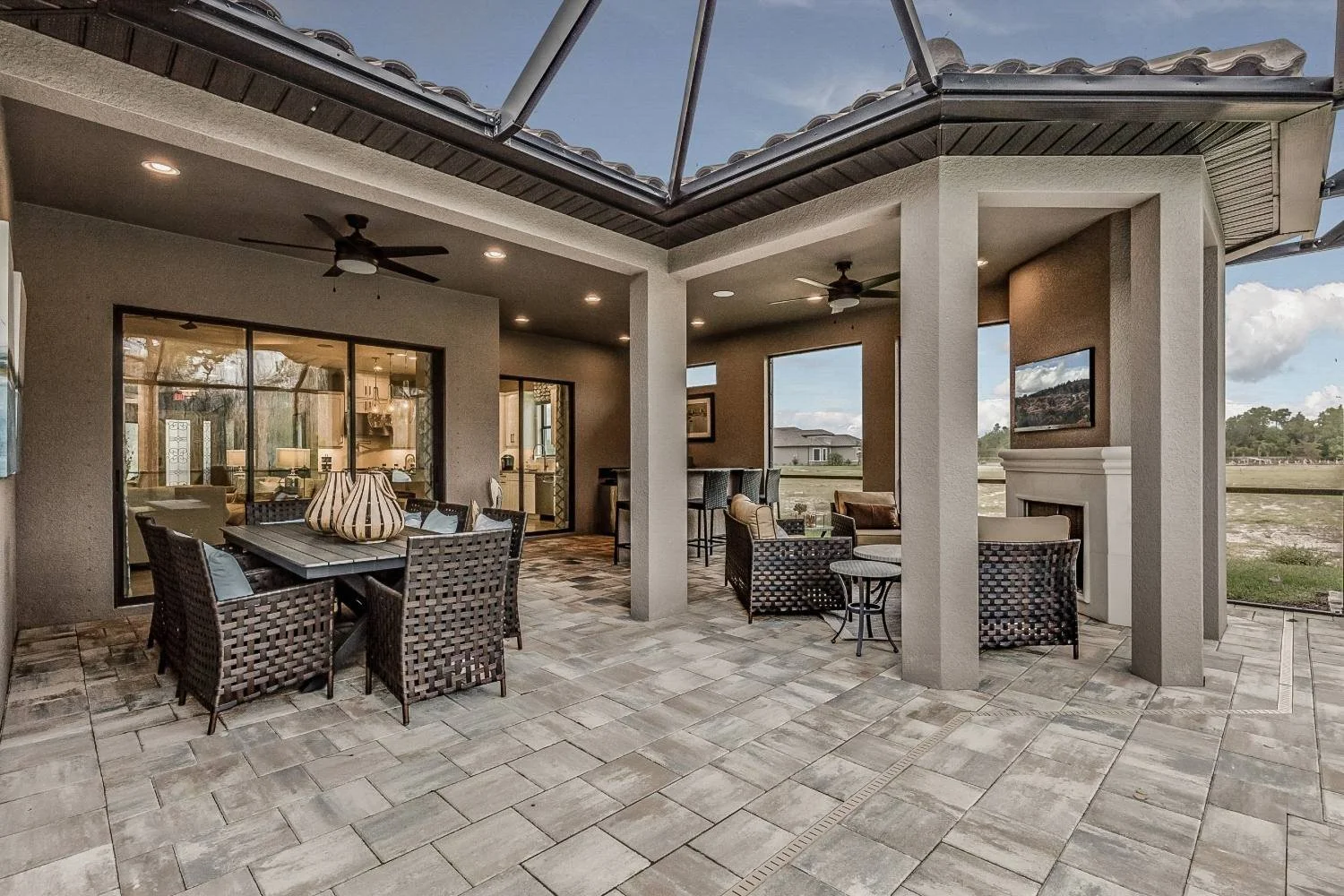
A patio cleaning project often involves more than the floor itself. Many outdoor living spaces include poolside surfaces, covered areas, adjacent walkways, screen enclosure surroundings, and seating areas exposed to the same humidity, rainfall, shade, irrigation, and organic buildup.
That is why we evaluate the full outdoor area before recommending a cleaning approach.
“A cleaner patio can change how the entire outdoor space feels.”
Why Patios Get Dirty So Quickly in South Florida
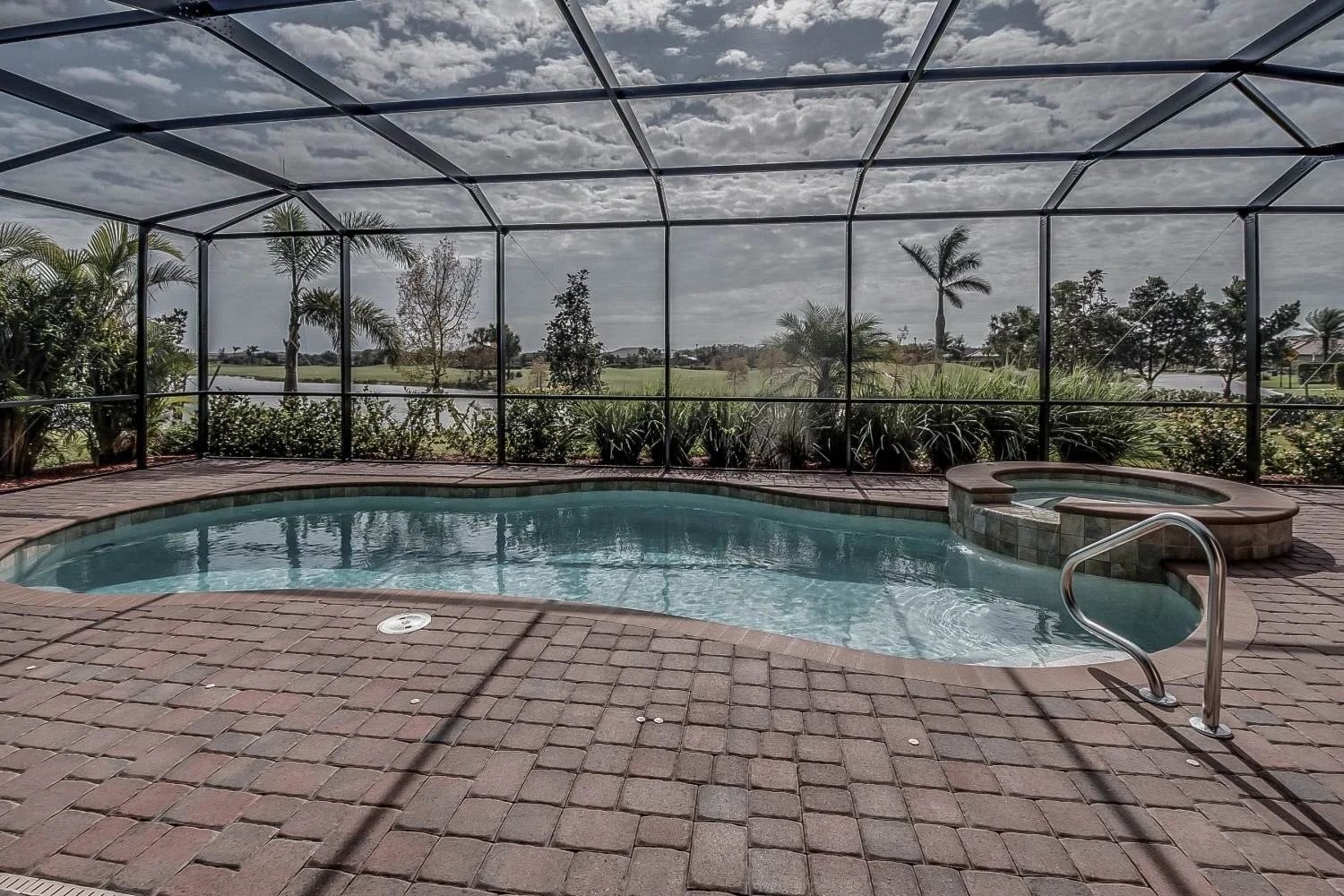
South Florida’s climate creates ideal conditions for organic growth and surface buildup.
High humidity, frequent rainfall, shade, irrigation systems, pool environments, poor drainage, and year-round outdoor use can all contribute to algae, mildew, mold staining, dirt accumulation, slippery surfaces, and surface discoloration.
Patios, pool areas, lanais, and screened outdoor spaces often hold moisture longer than open surfaces, especially when airflow is limited or drainage is poor.
✓ Irrigation overspray
✓ Organic growth
✓ Poor drainage
✓ Slippery buildup
✓ High humidity
✓ Frequent rainfall
✓ Shade exposure
✓ Pool environments
Common Patio Problems Cleaning Can Help Remove
Patio cleaning is often requested when homeowners begin noticing visible changes in the appearance, safety, or usability of an outdoor living area.
Certain sections of a patio may remain damp longer due to shade, drainage conditions, irrigation patterns, pool exposure, or limited airflow. These areas often develop buildup faster and may require more frequent maintenance.
✦ Green algae growth
✦ Mildew buildup
✦ Mold staining
✦ Dirt accumulation
✦ Surface discoloration
✦ Organic debris
✦ Slippery walking areas
✦ Pool-related residue
✦ Moisture-related buildup
✦ Dark staining in shaded areas
Why Patio Surfaces Become Slippery
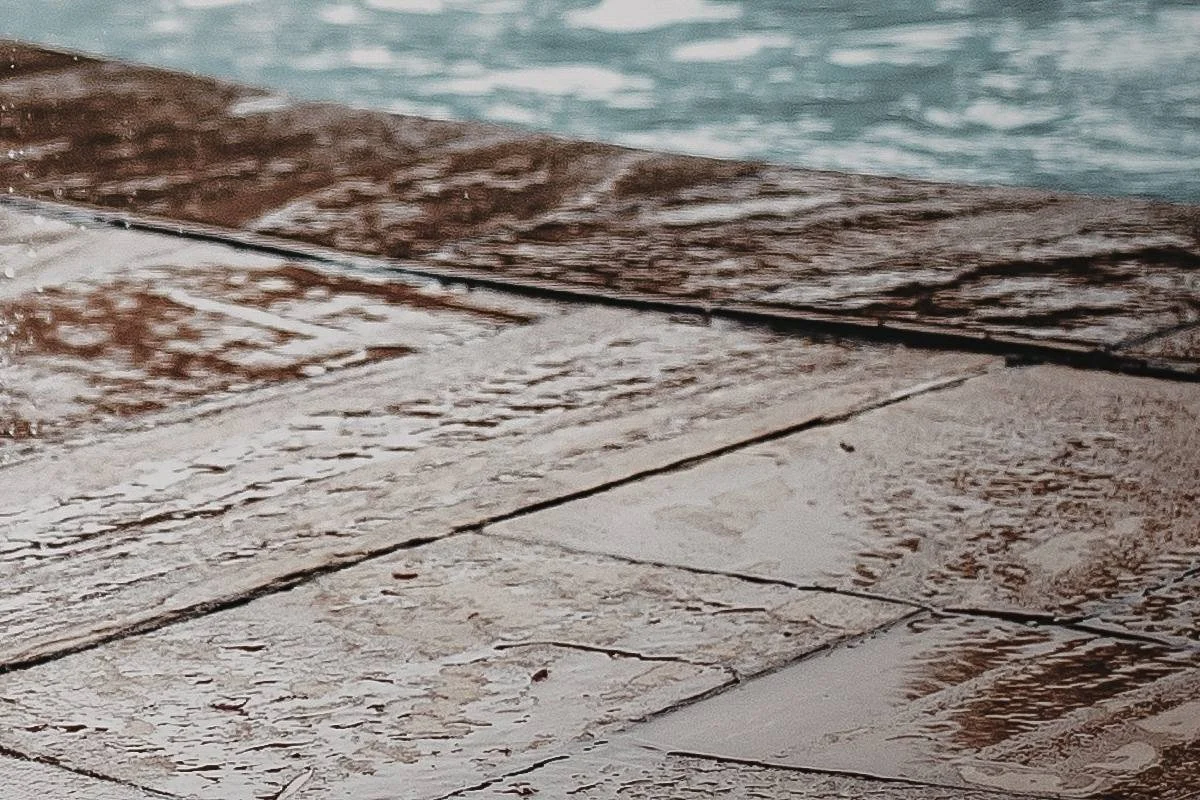
Patio surfaces can become slippery before heavy staining is visible. Algae, mildew, moisture retention, and organic buildup can collect within textured materials such as travertine, natural stone, pavers, and concrete.
Regular cleaning helps remove these conditions and restore a cleaner, safer outdoor living space.
Not sure what your patio needs?
We can review the surface material, buildup level, exposure, drainage, and surrounding outdoor areas before recommending the right cleaning approach.
Our Patio Cleaning Process
Surface-specific patio cleaning designed for Broward County homes, pool areas, and South Florida outdoor living conditions.
01 Surface Evaluation
We identify the patio material, buildup level, moisture exposure, drainage conditions, surrounding areas, and overall surface condition.
02 Pretreatment & Method Selection
We select the right approach for the surface, which may include controlled pressure washing, soft washing when appropriate, pretreatment, or targeted organic growth treatment.
03 Organic Growth Treatment
Areas affected by algae, mildew, mold staining, or heavier organic buildup may receive additional treatment before the main cleaning.
04 Controlled Patio Cleaning
We clean the patio using the appropriate pressure, treatment, dwell time, and rinse control for the material and condition of the surface.
05 Final Review & Post-Treatment
We review the cleaned area, apply post-treatment when appropriate, and discuss maintenance or sealing recommendations when needed.
How Long Do Patio Cleaning Results Last?
Patio cleaning results depend on shade, rainfall, irrigation, drainage, pool exposure, surface texture, surrounding vegetation, and how often the area is used.
Many patios remain noticeably cleaner for 12 to 18 months, but shaded, damp, or pool-adjacent areas may develop buildup faster.
What Affects Patio Cleaning Cost?
Cost depends on patio size, surface material, buildup level, staining, accessibility, drainage, surrounding areas, and whether additional treatment is needed for algae, mildew, mold staining, or heavier organic buildup.
The right scope is based on the surface condition and outdoor area — not just square footage.
When Patio Cleaning Alone May Not Be Enough
Cleaning is the right step when the goal is to remove algae, mildew, dirt, organic buildup, slippery residue, and surface-level discoloration.
If the surface absorbs stains quickly, remains difficult to maintain, has joint issues, or needs longer-term protection, sealing may be the next step.
Cleaning helps reveal the true condition of the patio surface, including wear patterns, moisture concerns, drainage issues, joint conditions, and areas that may require additional preparation.
“Cleaning improves appearance. Sealing helps protect the surface.”
Explore Natural Stone Sealing in Broward County →
Learn About Paver Sealing in Broward County →
Related Surface Care Services
Surface Sealing & Protection →
For exterior hardscape materials that need preparation and long-term protection.
Driveway Cleaning →
For concrete and paver driveways with algae buildup, tire marks, oil spots, rust staining, and visible surface buildup.
Exterior Surface Cleaning →
For outdoor surfaces that need professional cleaning without sealing.
Patio Cleaning Throughout Broward County
Based in Coral Springs, we provide professional patio cleaning services across Broward County for travertine patios, natural stone patios, paver patios, concrete patios, poolside surfaces, and outdoor living areas
Coral Springs • Parkland • Weston • Plantation • Davie • Pembroke Pines • Fort Lauderdale • Sunrise • Coconut Creek • Tamarac
Not sure if your property is within our service area? Send us your address and we’ll confirm availability.
Patio Cleaning FAQs for Broward County
-
Most patios in South Florida benefit from professional cleaning at least once per year.
Cleaning frequency can vary depending on shade, surrounding vegetation, irrigation, drainage conditions, pool exposure, surface texture, and overall moisture levels. Some shaded or pool-adjacent areas may require more frequent maintenance.
-
Yes. Travertine is one of the most common patio and pool-area materials we encounter throughout Broward County.
Travertine should be cleaned with a surface-specific approach that considers texture, porosity, moisture exposure, and previous treatments.
-
In most cases, yes.
Professional patio cleaning can remove algae, mildew, dirt, organic buildup, and many common surface contaminants. Some stains or heavily affected areas may require targeted treatment, which is why every patio should be evaluated before work begins.
-
Yes.
Algae, mildew, dirt, moisture retention, and organic buildup are common causes of slippery patio surfaces in South Florida. This is especially common in shaded areas, locations with poor drainage, and surfaces exposed to regular moisture.
Cleaning helps remove these conditions and improve the overall usability of the area.
-
Yes. Many patio cleaning projects include poolside surfaces and surrounding outdoor living areas.
Pool environments can contribute to moisture exposure, slippery buildup, residue, and organic growth, especially around travertine, natural stone, pavers, and textured concrete.
-
Yes. Patio surfaces often involve different materials, usage patterns, and environmental conditions than driveways.
Patios are more likely to include natural stone, travertine, pool exposure, shaded areas, furniture marks, covered spaces, and outdoor living zones. The cleaning approach should be selected based on the specific material and condition.
-
Not when the correct cleaning methods are selected.
Natural stone surfaces often require a different approach than standard concrete. Depending on the material and condition, controlled pressure, soft washing, pretreatment, or surface-specific cleaning techniques may be used to help protect the stone while still achieving effective cleaning results.
-
Yes. Cleaning is usually one of the most important preparation steps before evaluating a patio for sealing.
Dirt, algae, mildew, staining, and organic buildup can hide the true condition of the surface. Once the patio is cleaned, the material, joints, moisture conditions, and sealing readiness can be evaluated more accurately.
Learn About Natural Stone Sealing in Broward County →
Learn About Paver Sealing in Broward County → -
South Florida’s combination of humidity, rainfall, shade, moisture retention, and organic conditions creates an ideal environment for algae growth.
Poor drainage, limited airflow, surrounding vegetation, and irrigation overspray can accelerate the problem, which is why some patio areas turn green faster than others.
-
Yes.
A clean patio can dramatically improve the appearance of the entire pool area by removing algae, dirt, staining, and organic buildup.
Many homeowners are surprised by how much brighter, cleaner, and more inviting the space feels after professional cleaning.
Restore the Appearance of Your Patio
A cleaner patio creates a more enjoyable outdoor living space while helping reduce buildup that can affect appearance, usability, maintenance, and safety.
Surface-specific patio cleaning for Broward County homes and outdoor living spaces.
English & Spanish service available.