
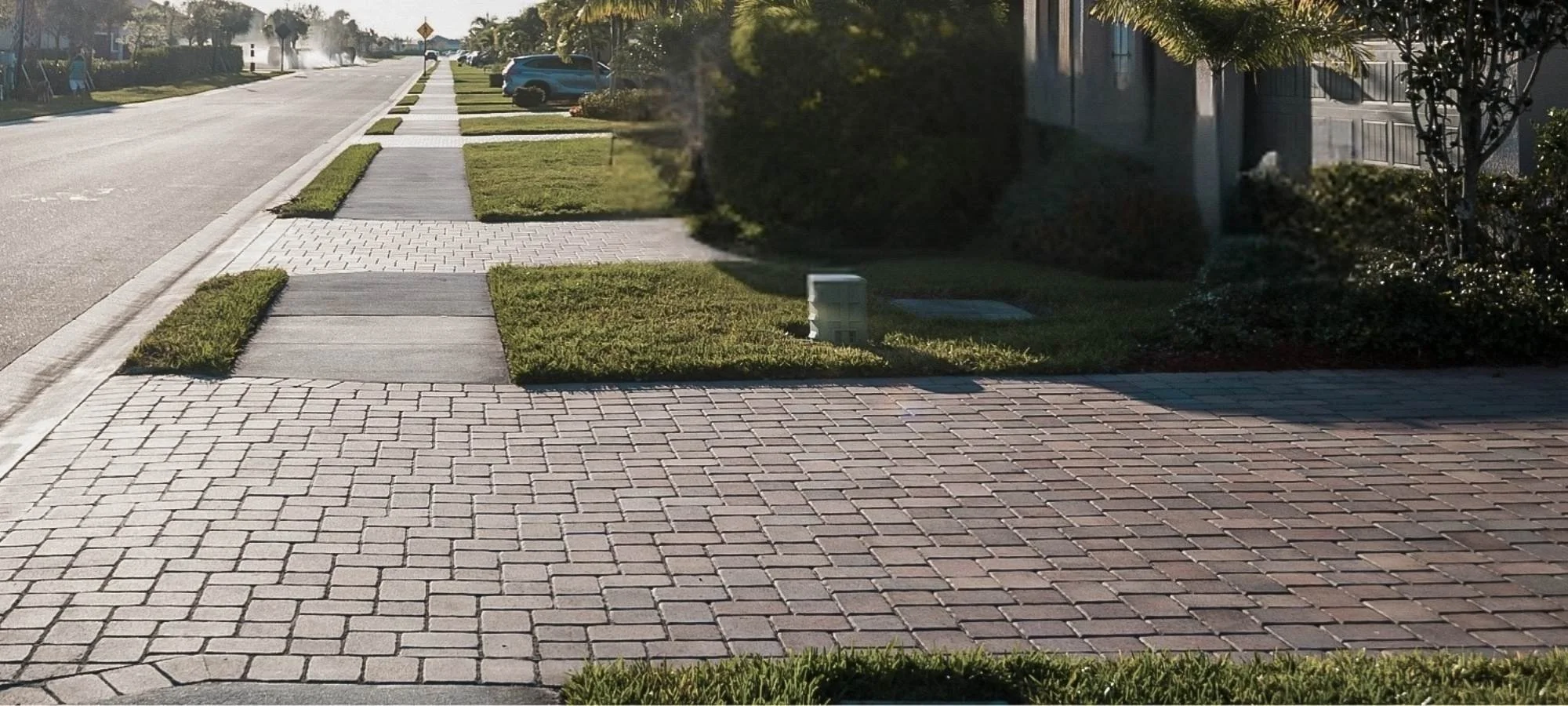
Paver Sealing in Broward County
Professional paver cleaning and sealing for driveways, patios, pool decks and walkways — with joint resanding, and controlled application for South Florida conditions.
Based in Coral Springs · Serving Broward County · Licensed & Insured · Commercial & HOA-Ready · English & Spanish
Licensed & Insured
·
Commercial & HOA-Ready
·
Based in Coral Springs
·
Serving Broward County
·
English & Spanish
·
Licensed & Insured · Commercial & HOA-Ready · Based in Coral Springs · Serving Broward County · English & Spanish ·
Trusted Across Broward County
See the Difference in Paver Sealing Results
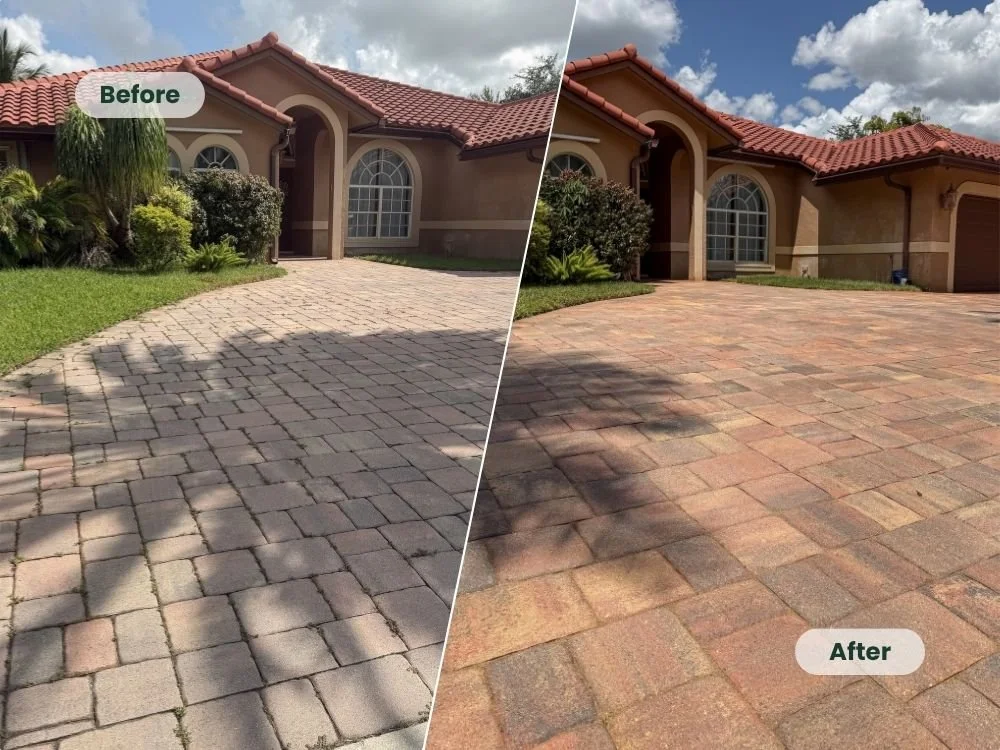
Coral Springs driveway paver cleaning and sealing — enhanced color, re-sanded joints, and a uniform finish.
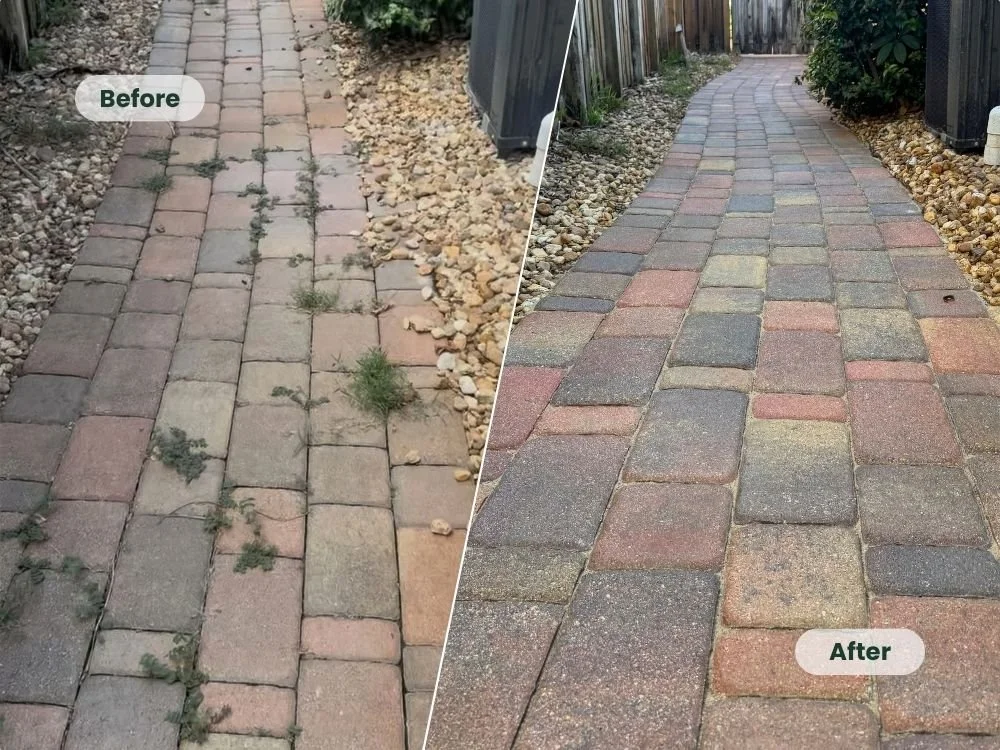
Broward County paver walkway cleaning and sealing — weeds removed, re-sanded joints, and enhanced color.
Chamber Member

Master Certified ContractorPWNA MemberWhat Professional Paver Cleaning & Sealing Involves
Paver sealing is not just a product application. The final result depends on the paver type, surface condition, joint sand, drainage, exposure, and preparation.
A professional paver sealing project may include controlled cleaning, organic growth treatment, stain or efflorescence treatment, joint re-sanding, sealer selection, and controlled application.
For brick and concrete pavers, the joints are part of the system. Proper preparation helps support stability, appearance, and long-term performance.
Protection that lasts. Impressions that stay.
Common Paver Areas We Seal
-
Paver Driveway Sealing
Driveways face vehicle traffic, tire marks, weather exposure, and daily wear. Proper sealing helps protect the surface and maintain curb appeal.
-
Paver Patio Sealing
Patios are exposed to foot traffic, outdoor furniture, moisture, and organic buildup. Sealing helps protect the surface and simplify maintenance.
-
Paver Pool Deck Sealing
Pool decks experience moisture, sunlight, and frequent use. Sealing should account for surface texture, drainage, and slip resistance.
-
Walkway & Entryway Sealing
Walkways and entry areas receive daily foot traffic and help shape a property's appearance. Sealing helps keep them clean and well maintained.
✦ Natural stone patios
✦ Pool decks
✦ Walkways and entry areas
✦ Outdoor living areas
✦ Residential exterior stone surfaces
✦ Courtyards
✦ Garden paths
✦ Stone coping and borders
✦ Commercial exterior stone surfaces
Additional paver areas may include:
✦ Courtyards and outdoor living areas
✦ HOA common areas
✦ Community entrances
✦ Clubhouse and amenity areas
✦ Shared exterior walkways
✦ Commercial exterior paver surfaces
Why Paver Sealing Matters in South Florida
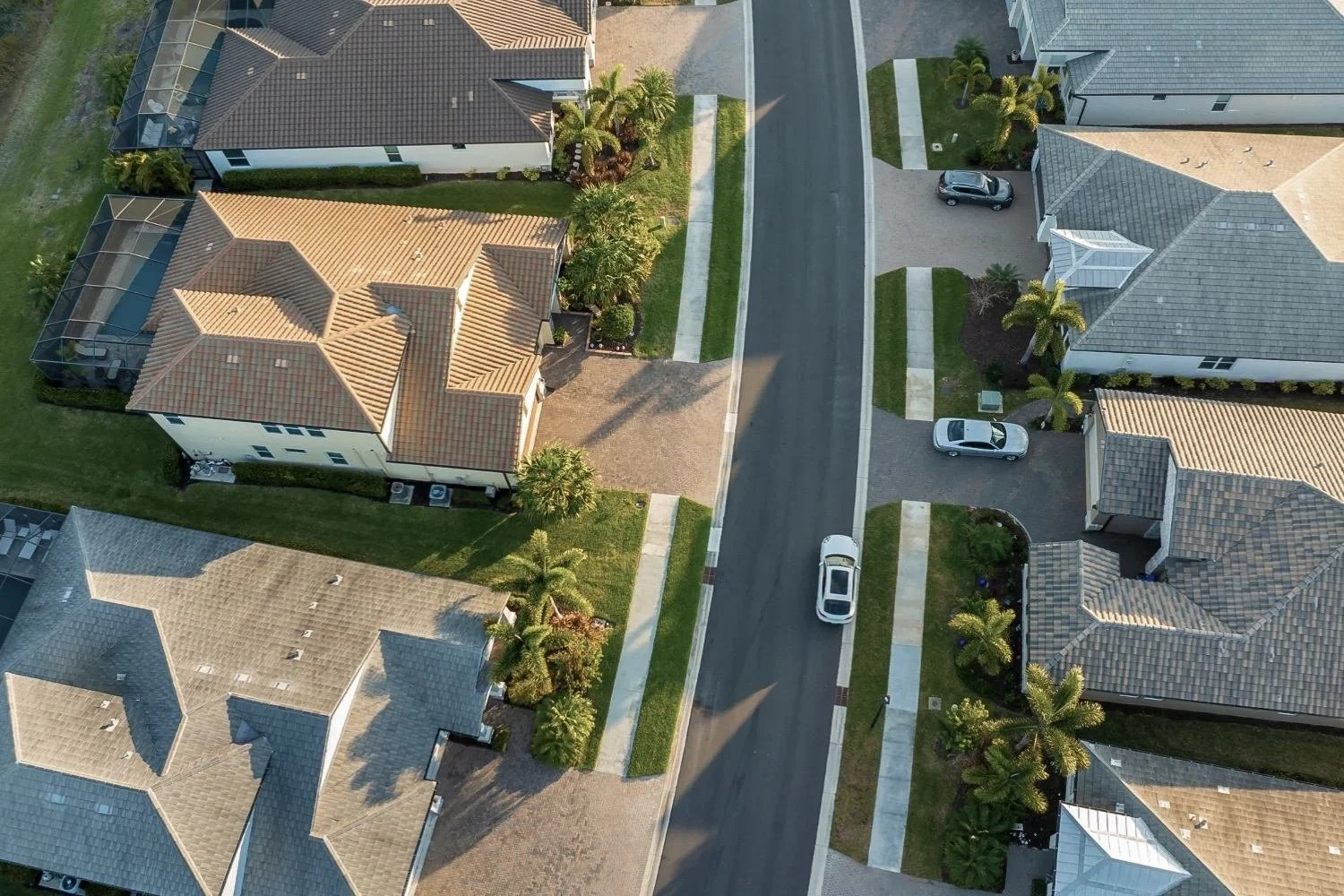
In Broward County, pavers are exposed to sun, rain, humidity, irrigation, organic growth, and daily use.
Before sealing, the surface should be properly cleaned, joints should be evaluated, and moisture conditions should be reviewed.
Professional paver sealing helps protect the surface, support joint stability, and make future maintenance more predictable.
✓ UV Exposure
✓ Heavy Rain
✓ Humidity
✓ Joint Sand Loss
✓ Organic Growth
✓ Moisture Exposure
✓ Surface Wear
✓ Oil & Rust Staining
Sealing is not just about appearance. It helps pavers perform better under South Florida conditions.
What May Be Included in Paver Sealing
Every paver sealing project is different. The scope depends on the surface condition, joint stability, exposure, staining, and finish goals.
Surface Evaluation
We assess the paver type, surface condition, joint sand, existing sealer condition, drainage, exposure, and sealing readiness.
Controlled Cleaning
The surface is cleaned to remove organic buildup, dirt, debris, and contaminants that could affect sealer performance.
Stain or Efflorescence Treatment
Targeted treatment may be used for rust, efflorescence, mineral deposits, or other visible stains before sealing.
Controlled Application
The sealer is applied according to the product system, surface absorption, weather conditions, and drying requirements.
Joint Re-Sanding
After cleaning, joints may be re-sanded to support stability, improve appearance, and help reduce future sand washout.
Sealer & Finish Selection
The sealer and finish are selected based on paver type, condition, joint needs, and appearance.
Our Paver Cleaning & Sealing Process
-
We treat organic buildup such as mold, algae, and mildew before deep cleaning the surface and clearing the joints for the next steps.
-
Once the surface is clean, rust, mineral deposits, calcium, or efflorescence may require targeted treatment before sealing.
-
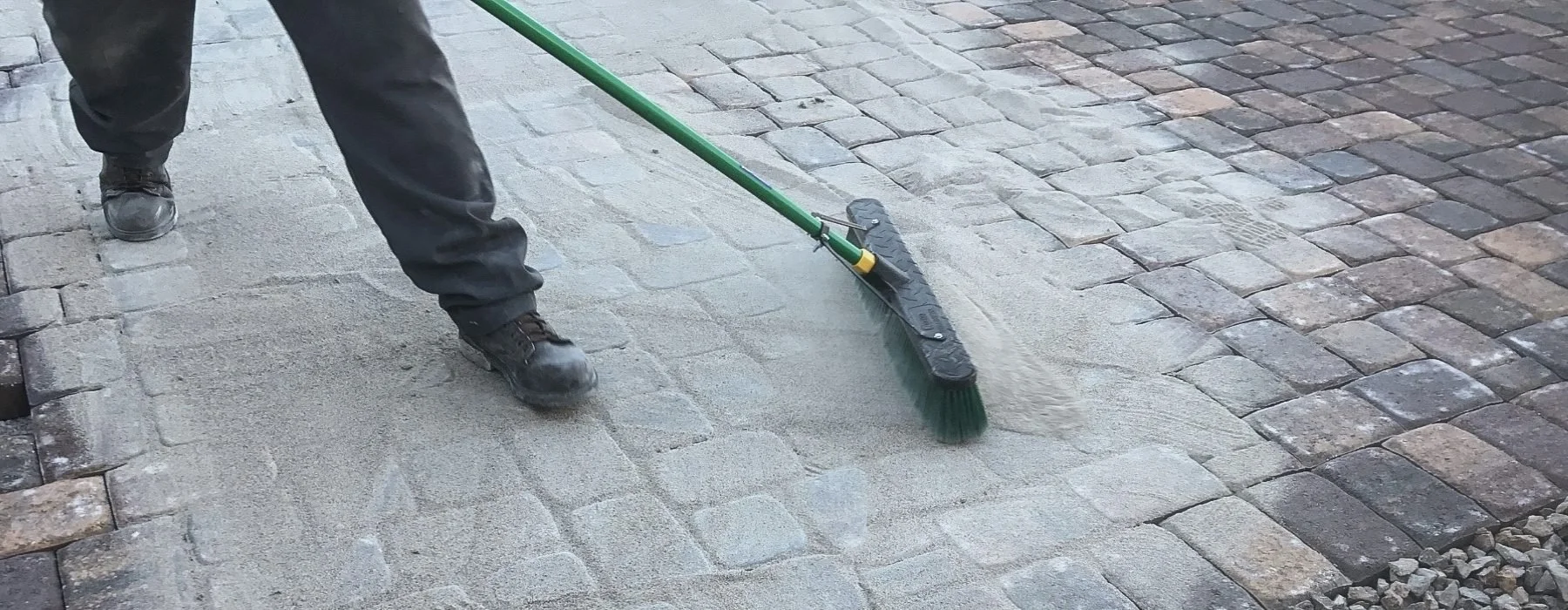
For brick and concrete pavers, joint re-sanding is part of the sealing process. After cleaning, the joints are re-sanded to support stability, improve appearance, and help reduce future sand washout.
-
Before sealing, we inspect the surface, adjust joint levels when needed, remove excess sand or debris, and confirm the area is ready.
-
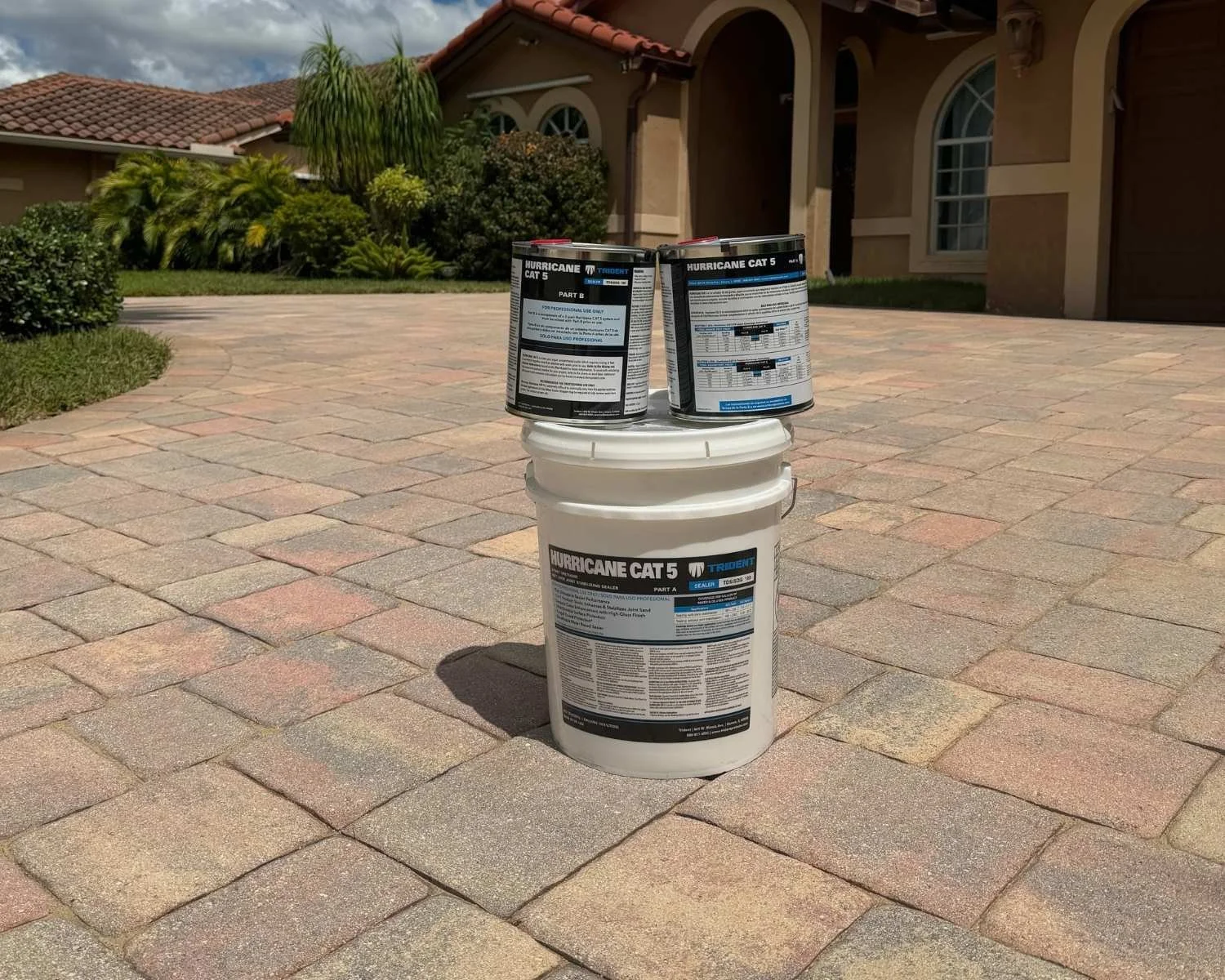
The sealer is selected based on paver type, condition, exposure, finish goals, and moisture conditions. Application is controlled according to weather, absorption, and drying conditions.
A paver sealing job is only as strong as the preparation behind it. We evaluate, clean, treat, correct, and seal every paver system with a professional-grade sealer, start to finish.
Paver Sealing Benefits Beyond Appearance
A properly prepared and professionally sealed paver system can help protect the surface, support joint stability, and make ongoing maintenance more predictable.
-
Surface Protection
Helps protect pavers from sun, rain, moisture exposure, stains, and everyday wear.
-
Joint Sand Stabilization
Joint re-sanding helps support the paver system, reduce open gaps, and help limit future sand washout.
-
Easier Maintenance
A sealed surface can make routine cleaning more manageable by reducing how deeply buildup and stains absorb.
-
Improved Curb Appeal
Sealing can enhance color, reduce uneven appearance, and give driveways, patios, walkways, and pool decks a more finished look.
Not sure what your pavers need?
We can review the surface condition, joint sand, exposure, and finish goals before recommending the right sealing approach.
Choosing the Right Paver Sealing Strategy
-
The right finish depends on the paver type, existing condition, exposure, and desired look.
Some projects call for a natural appearance, while others may benefit from color enhancement or a wet-look finish. The best option should be selected based on the surface, not just preference.
Learn more about Matte vs. Wet Look Paver Sealers.
-
Paver cleaning can improve appearance by removing buildup, dirt, algae, and surface contamination.
Paver sealing goes further by preparing the surface, correcting joint sand when needed, selecting the right sealer, and applying protection under appropriate conditions.
Paver sealing may be considered when the goal is to:
• Support joint stability
• Reduce moisture absorption
• Improve stain resistance
• Enhance or preserve color
• Make maintenance more predictableLearn more about Paver Cleaning in Broward
Related Surface Care Services
Surface Sealing & Protection →
For exterior hardscape materials that need preparation and long-term protection.
Natural Stone Sealing →
For travertine, marble, and exterior stone surfaces that require material-specific preparation.
Exterior Surface Cleaning →
For outdoor surfaces that need professional cleaning without sealing.
Paver Sealing Services Throughout Broward County
Based in Coral Springs, we provide professional paver sealing across Broward County for residential and selected commercial exterior areas.
Coral Springs • Parkland • Weston • Plantation • Davie • Pembroke Pines • Fort Lauderdale • Sunrise • Coconut Creek • Tamarac
Not sure if your property is within our service area? Send us your address and we’ll confirm availability.
Paver Sealing FAQs for Broward County
-
No. Pressure washing is a cleaning method. Paver sealing is a surface protection process that may include cleaning, treatment, joint sand correction, drying time, sealer selection, and controlled application.
Cleaning improves the surface. Sealing helps protect it.
-
Yes. Pavers should be properly cleaned before sealing. Dirt, algae, mildew, stains, and organic buildup can affect how the sealer bonds, looks, and performs.
Sealing over a poorly prepared surface can lead to uneven appearance, trapped contaminants, haze, or premature failure.
For paver patios, cleaning helps remove algae, dirt, organic buildup, and joint contamination before the surface is evaluated for sealing. Learn more about patio cleaning in Broward County.
-
Yes. For brick and concrete pavers, joint re-sanding is a standard part of the sealing process.
During cleaning, loose sand, weeds, dirt, and organic material are removed from the joints. After that, the joints are re-sanded to the proper level before sealing.
Proper joint sand helps support stability, reduce movement, limit open gaps, and make future weed growth harder to develop.
-
Paver sealing and proper joint re-sanding can help make future weed growth harder to develop, but they do not guarantee weeds will never appear.
Weed growth depends on joint condition, landscaping, drainage, maintenance, and organic debris. Re-sanding and sealing help reduce open gaps and support the paver system as part of ongoing maintenance.
-
In South Florida, a professionally prepared and applied paver sealing system can last several years depending on exposure, traffic, moisture, surface condition, and maintenance.
Driveways, pool decks, and high-traffic walkways may wear faster than protected patios or lower-use areas.
The quality of preparation plays a major role in how well the result holds up over time.
-
White or cloudy sealer is often caused by trapped moisture, overapplication, poor preparation, incompatible products, or sealing over unresolved surface issues.
This is one reason moisture conditions and previous sealer history should be evaluated before resealing pavers.
-
No. Wet-look sealer can look great on the right paver surface, but it is not the best choice for every property.
Surface porosity, drainage, moisture exposure, pool deck use, and slip-resistance expectations should all be considered before choosing a finish.
For more detail, read our guide on matte vs. wet-look paver sealers.
-
Drying and curing times depend on the product, weather, surface temperature, humidity, and application conditions.
After your project, we provide specific care instructions based on the surface and sealer used.
-
Yes. We seal selected paver pool decks after evaluating surface condition, drainage, moisture exposure, finish goals, and slip-resistance needs.
Pool deck sealing requires more care because wet areas need the right product and controlled application.
-
Most paver sealing projects are priced by square footage, but the final scope depends on more than size.
Cost factors may include surface condition, organic buildup, stain or efflorescence treatment, joint re-sanding, previous sealer issues, finish selection, access, and project complexity.
Our goal is to recommend the right process for the paver system — not to reduce preparation at the expense of performance.
Ready to Protect Your Pavers?
If your paver driveway, patio, pool deck, walkway, entryway, or shared exterior area needs more than a quick cleaning, we can help evaluate the right sealing approach.
Professional paver sealing with proper preparation, joint sand stabilization, and controlled application for South Florida conditions.
English & Spanish service available.