Matte vs Wet Look Paver Sealers — Choosing the Right Finish in South Florida
When homeowners consider sealing their pavers, the first question is often about protection.
The second is almost always about how the surface will look after.
In South Florida, where outdoor spaces are constantly visible and frequently used, the finish of a sealed surface plays a major role—not just in aesthetics, but in how the space feels over time.
Choosing between a matte or wet look finish is less about preference alone, and more about how each option interacts with the material, the environment, and the way the space is used.
Not sure which finish fits your pavers?
Matte and wet look finishes respond differently depending on sunlight, surface color, joint condition, and how the space is used.
What a Paver Sealer Actually Changes
A sealer does more than protect the surface.
It directly affects:
Color depth
Light reflection
Surface texture perception
Overall visual consistency
This is why the choice of finish becomes part of the final result—not just a detail.
Finish selection is only one part of professional paver sealing in Broward County. Surface condition, preparation, joint stability, and application method all influence the final result.
What Is a Matte Finish?
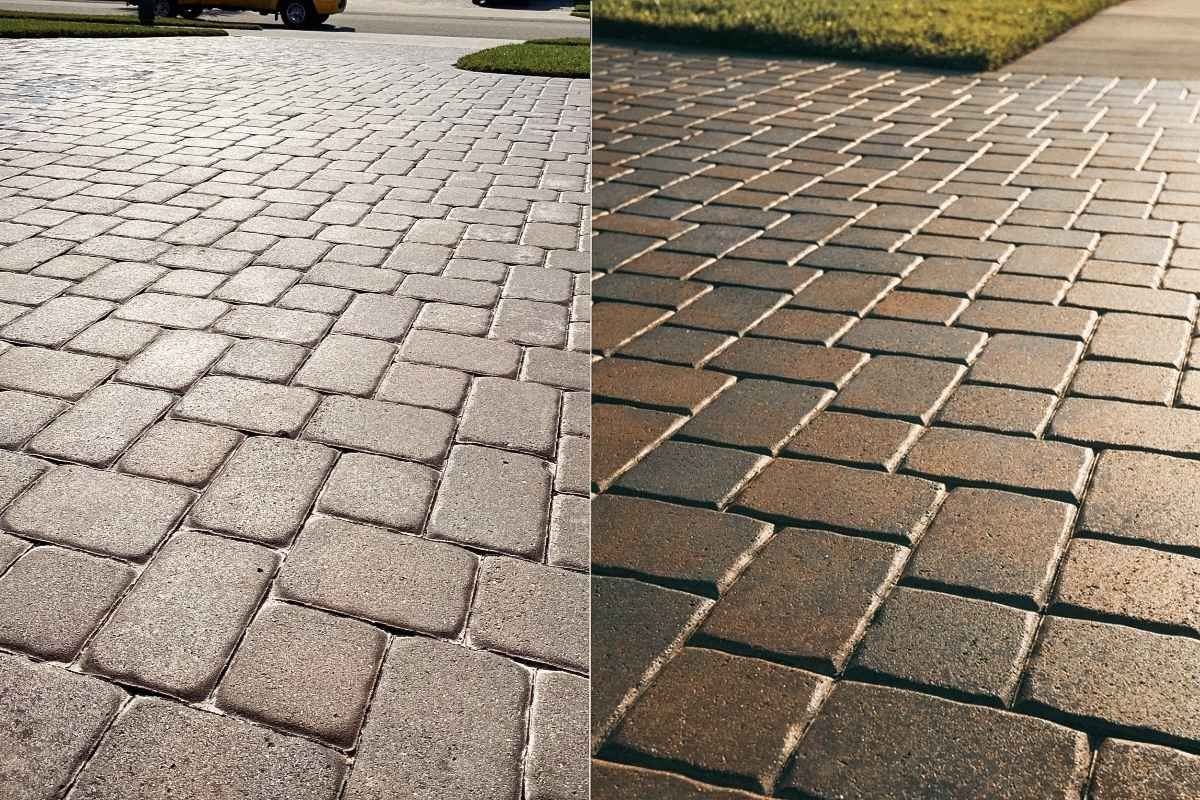
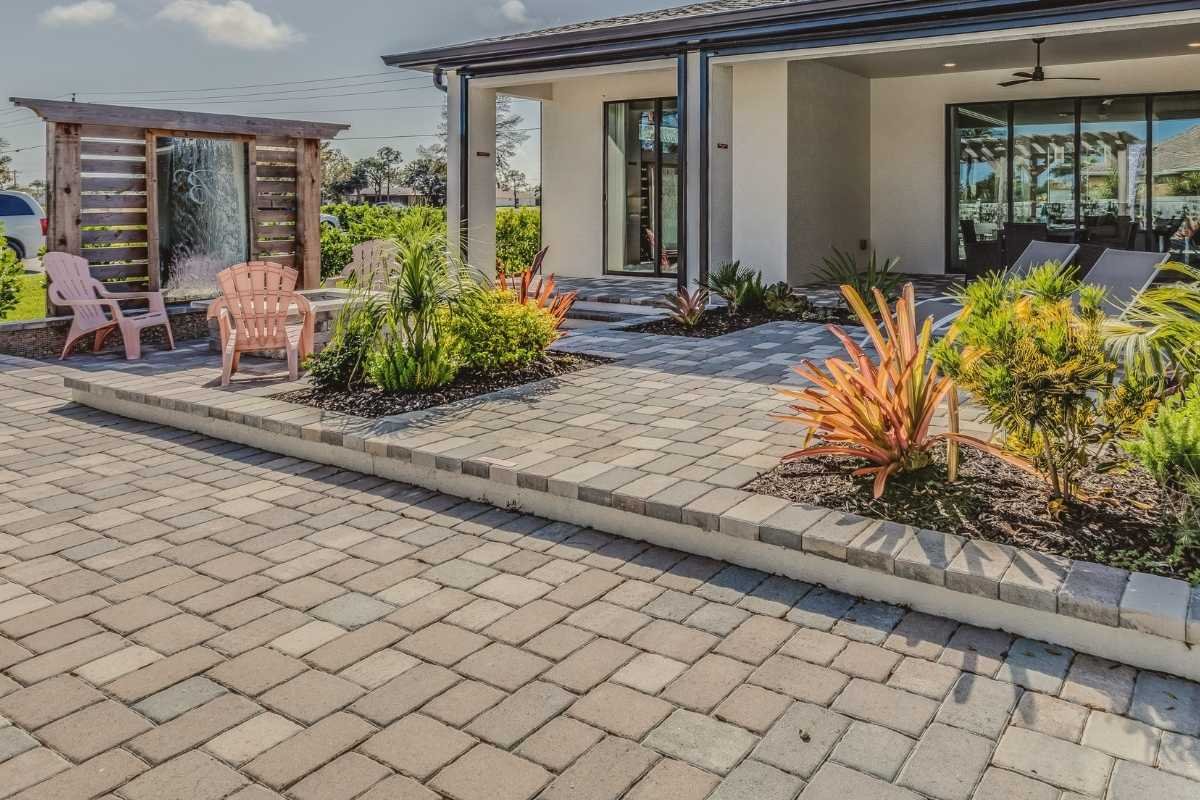
A matte (or natural look) sealer is designed to protect the surface while keeping its original appearance as intact as possible.
Characteristics:
Minimal color enhancement
Low or no shine
Natural, understated look
Less light reflection
When it works best:
Modern or neutral design styles
Homes with lighter-toned pavers
Areas where a subtle finish is preferred
Surfaces where glare should be minimized
A matte finish is often chosen when the goal is to maintain the original character of the material without drawing attention to the coating itself.
What Is a Wet Look Finish?
A wet look sealer enhances the surface by deepening color and adding visible richness.
It gives the appearance of pavers being slightly wet, even when dry.
Characteristics:
Strong color enhancement
Noticeable sheen (from satin to gloss)
Higher visual contrast between pavers and joints
More light reflection
When it works best:
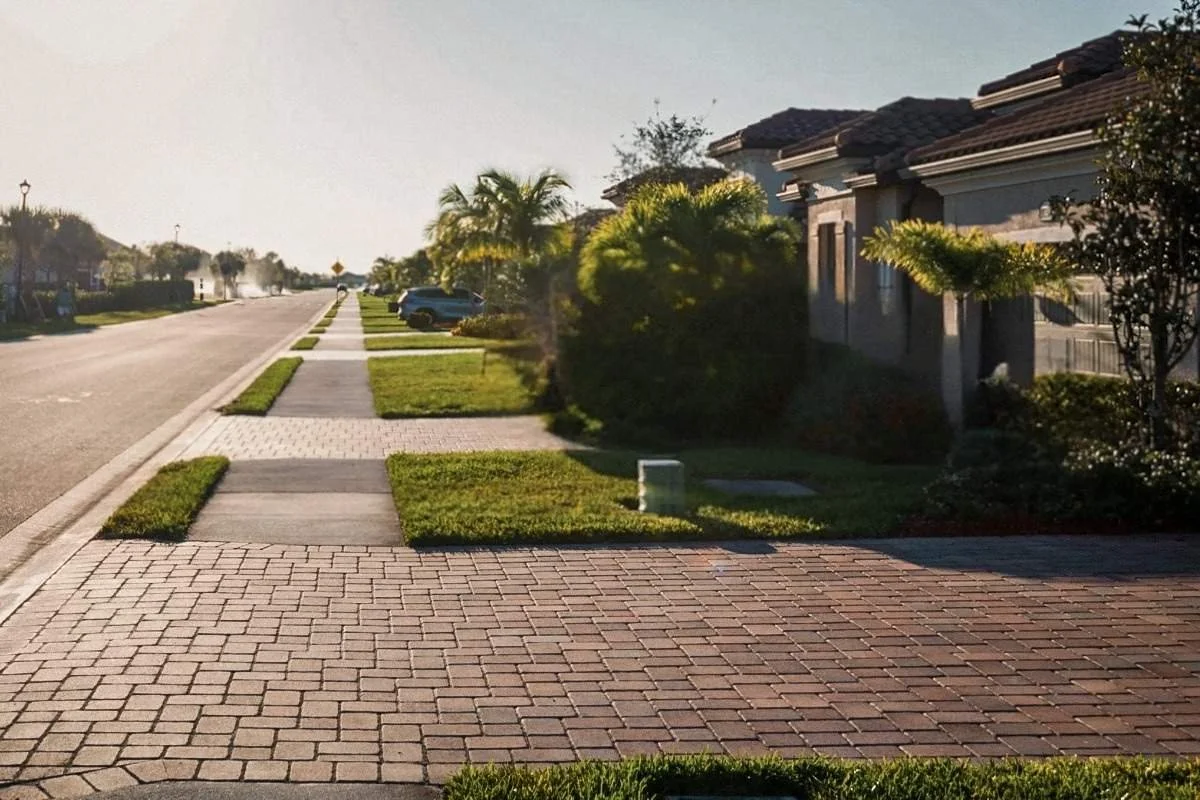
Driveways and entryways (higher visual impact)
Outdoor spaces where curb appeal is a priority
Darker pavers that benefit from color depth
Areas designed to stand out
A wet look finish is typically chosen when the goal is to highlight the surface rather than blend it into the background.
Matte vs Wet Look — The Real Difference
The decision is not about which is “better.”
It’s about how the surface is meant to function visually.
Matte → blends into the environment
Wet look → becomes a focal point
In South Florida homes, this often depends on:
Sun exposure (which affects reflection and glare)
Surrounding materials (landscaping, walls, pool water)
How frequently the space is used
What looks subtle in the shade may appear much brighter under direct sunlight.
How Climate Affects the Final Result
South Florida conditions influence how each finish is perceived.
Strong sunlight can amplify gloss and reflection
Moisture can change how color depth appears
Organic buildup (algae, dust) becomes more visible on certain finishes
Because of this, the same product may look different depending on:
Time of day
Weather conditions
Surface porosity
This is one of the reasons why finish selection should always be evaluated in context—not just chosen from a sample.
Surface Condition Matters More Than Finish
Before choosing a finish, the surface itself must be properly prepared.
This may include:
Deep cleaning
Stain treatment
Efflorescence removal
Correction of joint sand
Without proper preparation:
Matte finishes may look uneven
Wet look finishes may exaggerate imperfections
A professional surface sealing and protection process should integrate preparation, joint evaluation, finish selection, and controlled application as part of the same system—so the final result is both visually consistent and technically sound.
Finish choice starts with surface condition.
Choosing between matte and wet look is only part of the decision. The condition of the pavers, the joints, and the preparation required all influence the final result.
Which One Should You Choose?
Instead of asking:
“Which finish is better?”
It’s more useful to ask:
Do I want the surface to stand out or blend in?
How much sunlight does the area receive?
Is this a high-traffic or focal area?
Do I prefer subtlety or visual impact?
In many cases:
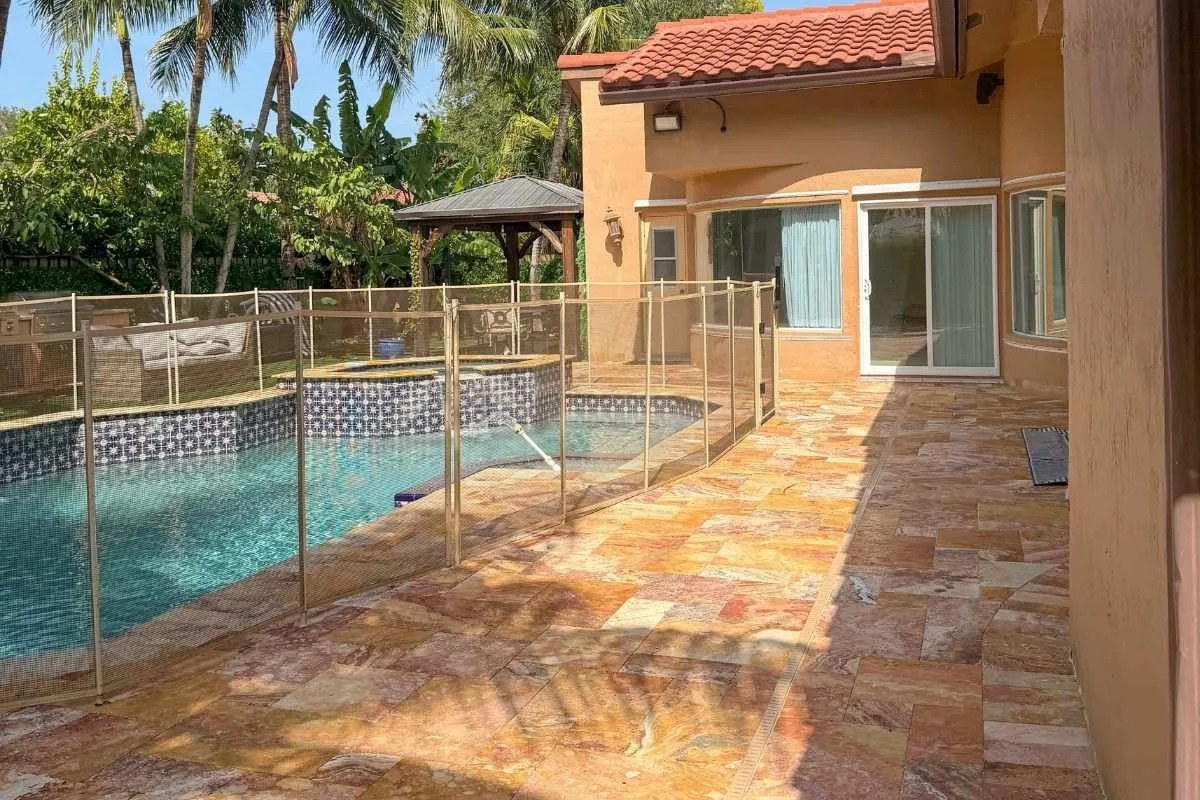
Pool decks → matte or low-sheen (comfort + reduced glare)
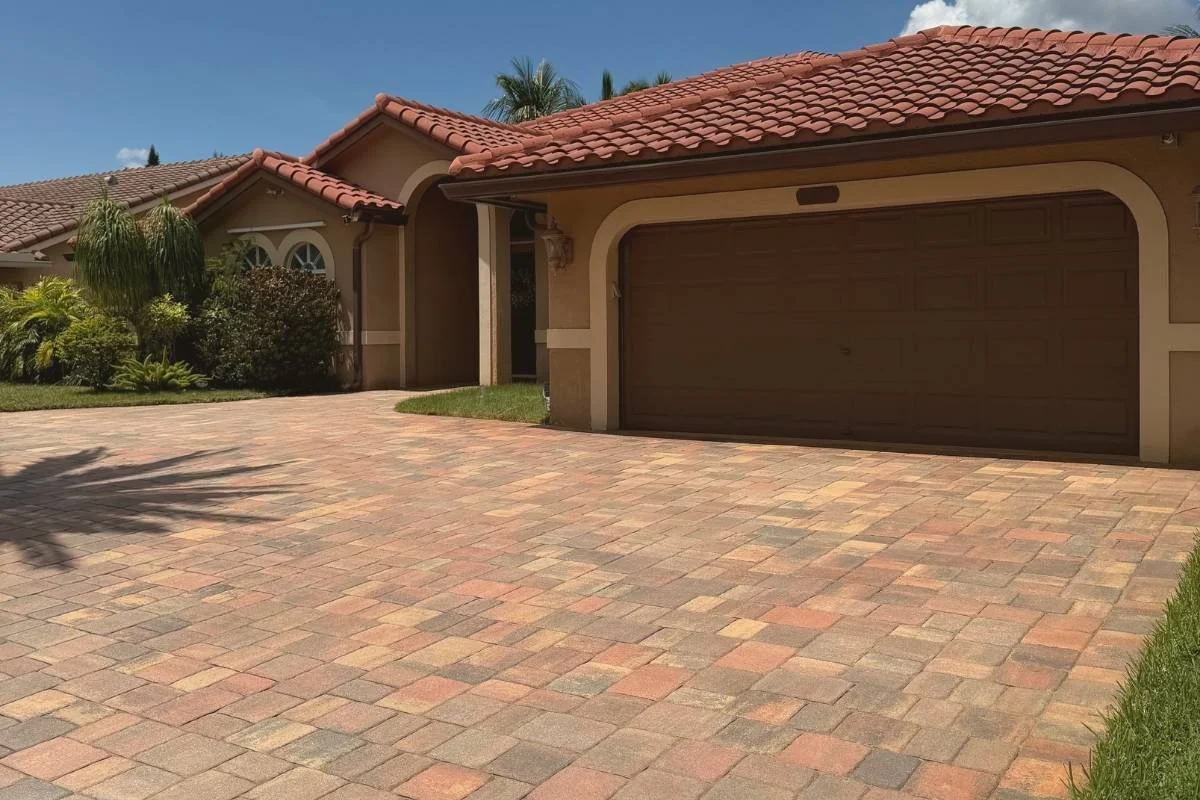
Driveways → wet look or satin (curb appeal)
Patios → depends on style and surrounding elements
When Paver Sealing Becomes More Than a Finish Choice
Choosing between matte and wet look is usually the visible part of the decision.
But in many cases, the finish should come after a broader evaluation of the paver system.
Before sealing, it is important to look at:
joint sand condition
surface porosity
previous sealer layers
stains or efflorescence
drainage and moisture exposure
how the space is used
If the pavers are clean, stable, and properly prepared, finish selection becomes a design and performance decision.
If the surface has loose joints, trapped moisture, old sealer buildup, or visible staining, the first step may not be choosing a finish. It may be understanding what preparation is needed before sealing.
A recent Coral Springs paver cleaning and sealing project shows how this can work in practice: the driveway and side walkway were cleaned, resanded, allowed to dry, and sealed as part of a complete paver restoration process.
For homeowners considering professional paver sealing in Broward County, the right result depends on more than matte or wet look. It depends on whether the surface is ready to receive the sealer properly.
Preventive Considerations
Regardless of finish:
Proper application is critical
Thin, even coats produce better results
Over-application can lead to uneven appearance
Maintenance affects how the finish ages over time
Finish selection is only one part of long-term performance.
FAQs
Does a wet look sealer make surfaces slippery?
Not necessarily. Slip resistance depends on additives and surface texture, not just the finish.
Does matte sealer last less than wet look?
Durability depends more on preparation and product quality than on the level of sheen.
Can I change from matte to wet look later?
Yes, but it may require stripping the existing sealer before reapplication.
Will the finish look the same on all pavers?
No. Results vary depending on color, porosity, and previous treatments.
Which finish requires less maintenance?
Both require maintenance, but wet look finishes may show buildup and wear more visibly over time.
The Bottom Line
In outdoor spaces, small visual decisions tend to have lasting effects.
The choice between matte and wet look is not just about appearance. It affects how the surface integrates into the space, how it responds to light and moisture, and how the finish will age over time.
In South Florida, where sun, rain, humidity, and daily use are constant factors, finish selection should be made together with surface preparation.
If your pavers are stained, uneven, previously sealed, or showing joint instability, the next step is not only choosing a finish. It is evaluating whether the surface is ready for sealing.
A professional paver sealing process can help determine the right preparation, finish, and protection approach for the condition of the surface.
Need help choosing the right finish?
A surface evaluation can help determine whether your pavers are ready for sealing, which finish works best for the space, and what preparation may be needed first.