Exterior Surface Maintenance — What Property Managers Actually Look For
If you manage a property, exterior surfaces are only one part of what you’re responsible for.
Budgets, timelines, tenant experience, and long-term condition all compete for attention. What happens outside the building has to be evaluated alongside everything else.
In that context, exterior surface work is rarely about appearance alone.
It becomes a matter of consistency, risk, and how well each intervention fits into the broader maintenance structure of the property.
It’s Not About Cleaning — It’s About Maintenance Systems
In most managed properties, exterior surface work is not approached as a one-time task.
It’s part of an ongoing system that includes:
scheduled maintenance
vendor coordination
budget planning
From that perspective, the question is not simply:
“Who can clean this?”
But rather:
“How does this fit into everything else that needs to be managed?”
This is why surface care is often evaluated in terms of reliability and continuity, not just immediate results.
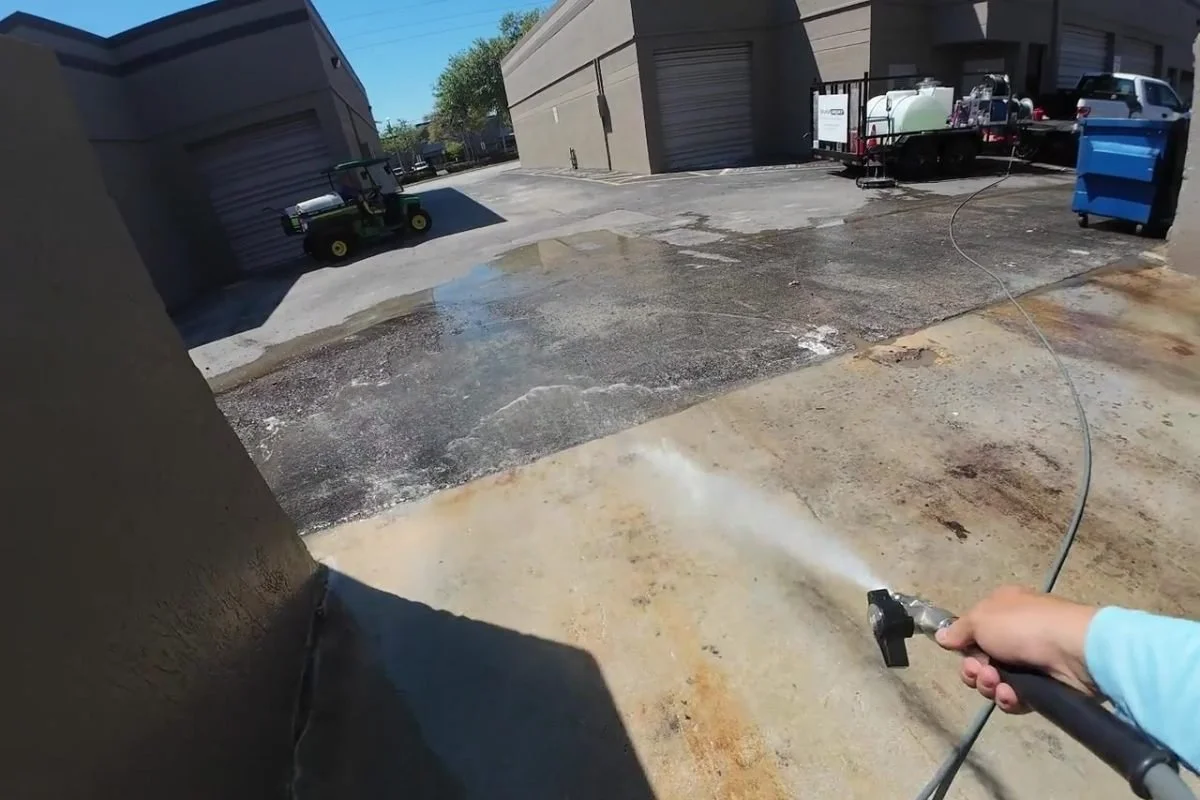
Consistency Across Multiple Areas
In multi-building or multi-area properties:
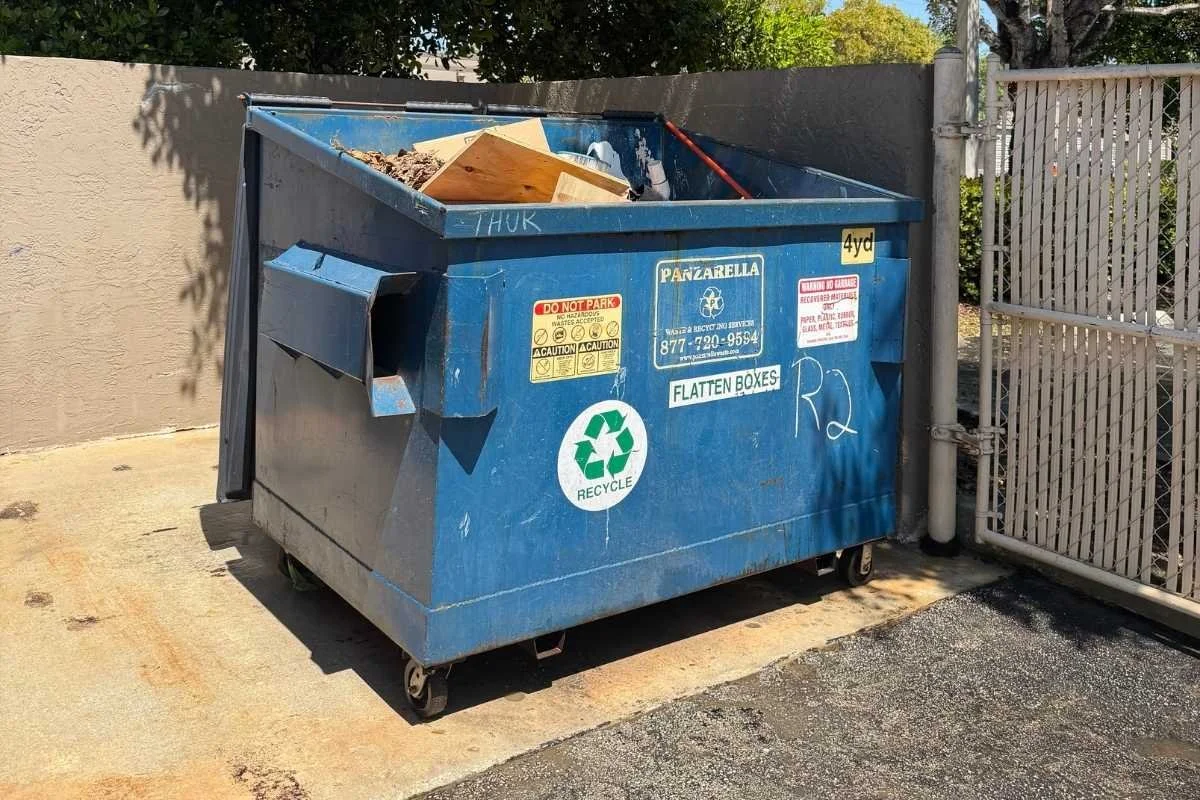
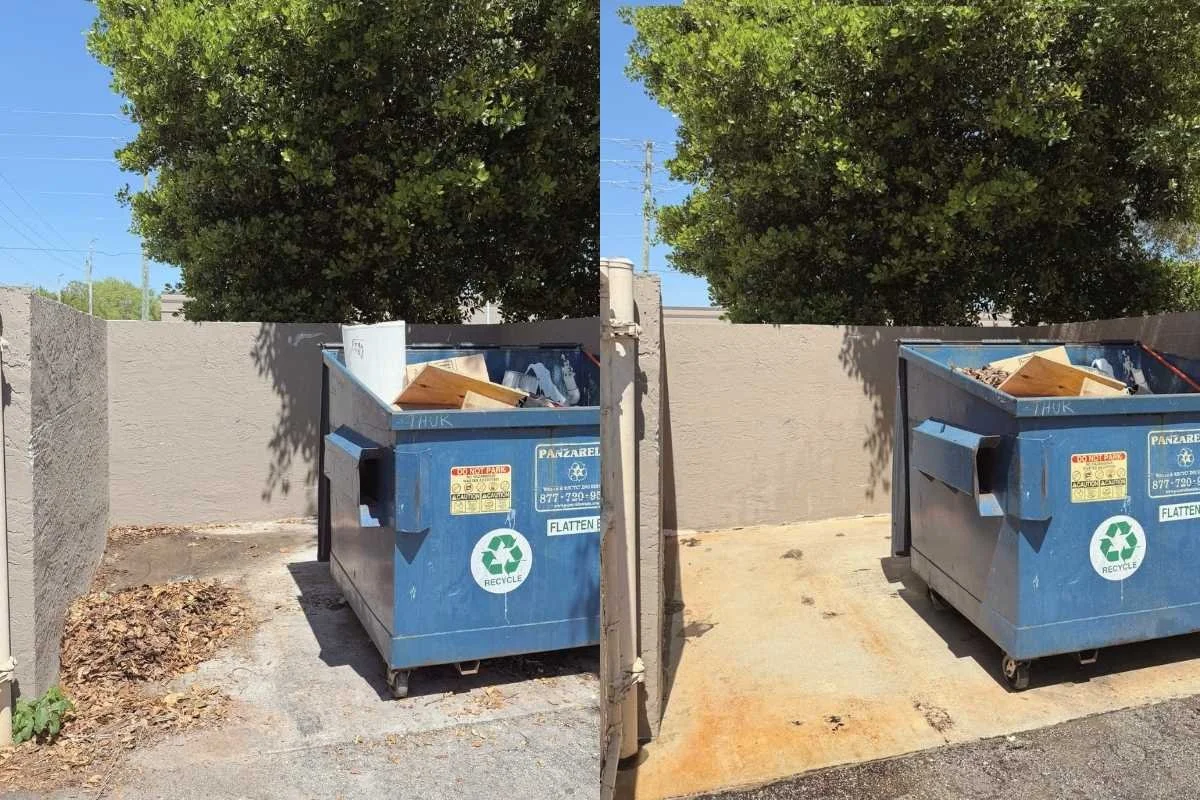
dumpster pads
walkways
entry points
common areas
Surfaces age differently.
What matters is:
consistent standards
coordinated execution
predictable results
Not isolated improvements.
Budget Awareness and Phased Work
One of the most overlooked aspects:
→ work is often done in phases
Not because of neglect—but because:
budgets are allocated over time
priorities shift
properties are maintained progressively
A structured approach allows:
prioritizing critical areas first
planning future phases
maintaining overall visual consistency
Compliance and Documentation Are Not Optional
In commercial environments, exterior surface work is not only evaluated by results.
It must meet operational and legal requirements that are often part of the approval process.
This typically includes:
working with licensed and insured vendors
providing Certificates of Insurance (COI)
being added to property liability coverage when required
complying with property management or HOA standards
For property managers, these are not added benefits.
They are part of what allows a vendor relationship to function in the first place.
When these elements are clear and handled properly, projects tend to move with less friction—both in approval and execution.
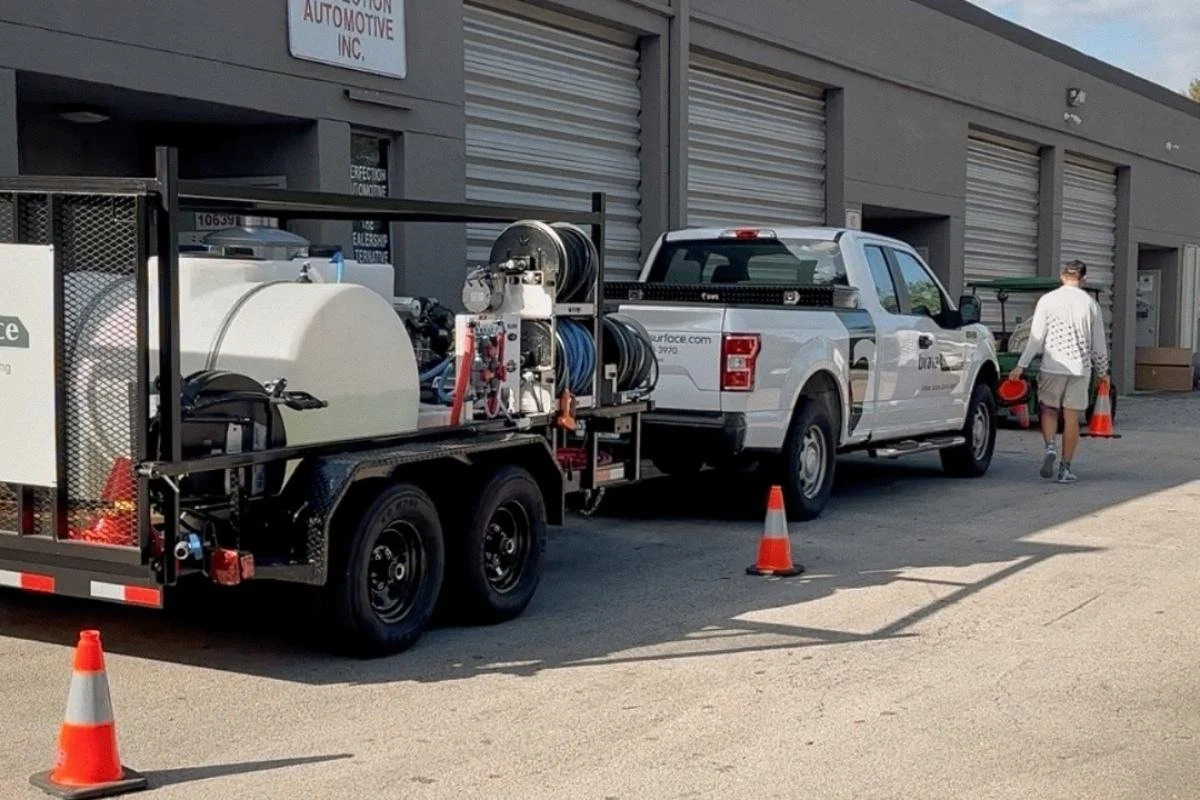
What Makes a Vendor Reliable
From a property management perspective, reliability goes beyond completing the work.
It shows in how a vendor operates within an active environment:
understanding scope without requiring constant direction
adapting to property schedules and constraints
maintaining consistency across different areas and phases
minimizing disruption to tenants and daily operations
If you’re managing multiple properties or large common areas, these factors tend to matter as much as the technical result itself.
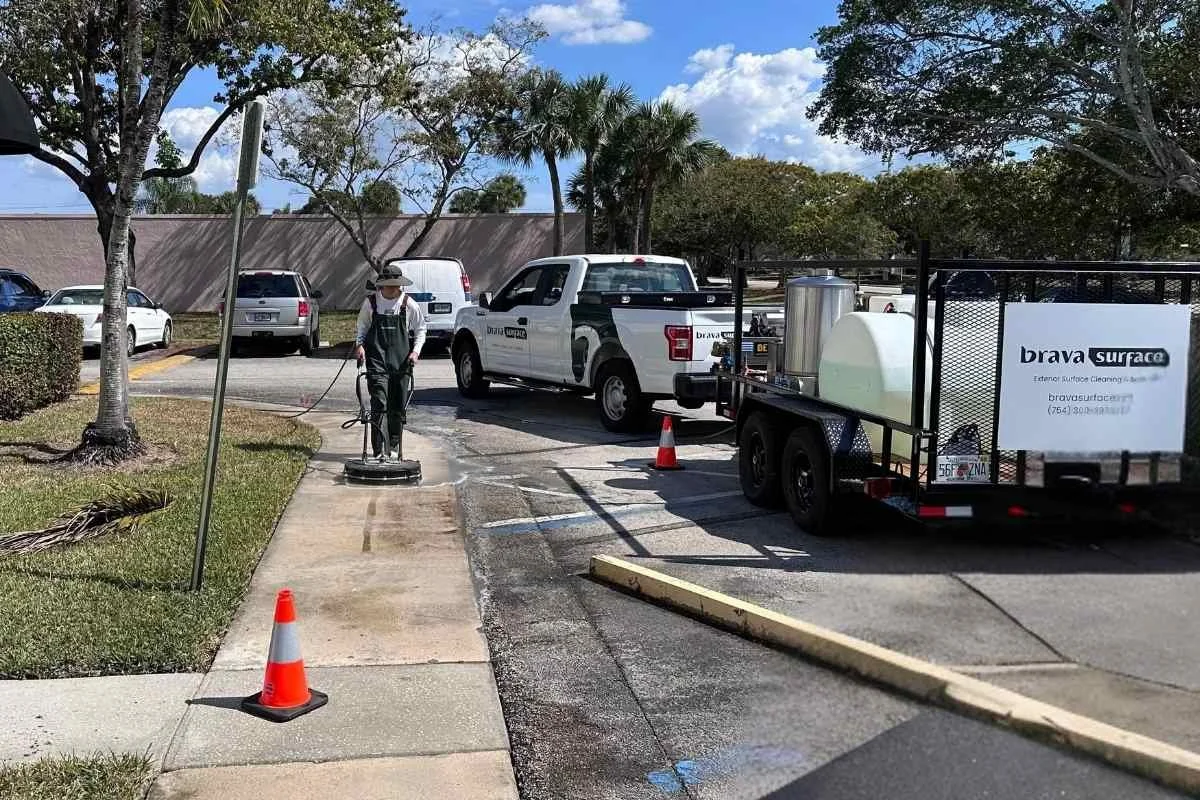
For managed properties, a structured approach to commercial exterior cleaning in Broward County helps keep walkways, common areas, service zones, and high-traffic surfaces aligned with broader maintenance priorities.
A structured approach helps align the work with:
surface condition
operational priorities
long-term maintenance planning
Communication Is Part of the Service
Property managers are coordinating:
multiple vendors
multiple properties
multiple timelines
Clear communication reduces:
friction
delays
misunderstandings
This often matters as much as the work itself.
PREVENTIVE SECTION
When surface care is approached as a system rather than isolated tasks:
maintenance becomes more predictable
costs are easier to manage
properties maintain consistent standards over time
FAQs
Do property managers prioritize appearance or maintenance?
In most managed properties, maintenance and risk tend to come first. Appearance is still important—but it’s usually addressed as part of a longer-term plan, not as an isolated priority.
How often are exterior surfaces maintained?
It depends on the property, but most maintenance is planned in phases or scheduled cycles. Different areas are addressed at different times, depending on condition, usage, and budget.
Is sealing common in commercial properties?
Yes, especially in areas where durability, safety, and long-term performance matter. It’s typically considered as part of a broader maintenance strategy rather than a standalone upgrade.
Why is preparation emphasized so much?
Because preparation directly affects how surfaces perform over time. Inconsistent or incomplete preparation often leads to uneven results, shorter lifespan, and additional costs in future maintenance cycles.
What documentation is typically required for commercial surface work?
Most properties require vendors to be licensed and insured, and to provide a Certificate of Insurance (COI). In some cases, vendors also need to be added to the property’s liability coverage before work can begin.
The Bottom Line
From the outside, exterior surface work may seem simple.
But in a managed property, every decision connects to a larger system—one that balances cost, safety, and long-term condition.
Understanding that system is what allows surface care to move from reactive work to controlled maintenance.
Let your surface speak.