Preparing Outdoor Surfaces Before Hurricane Season in South Florida
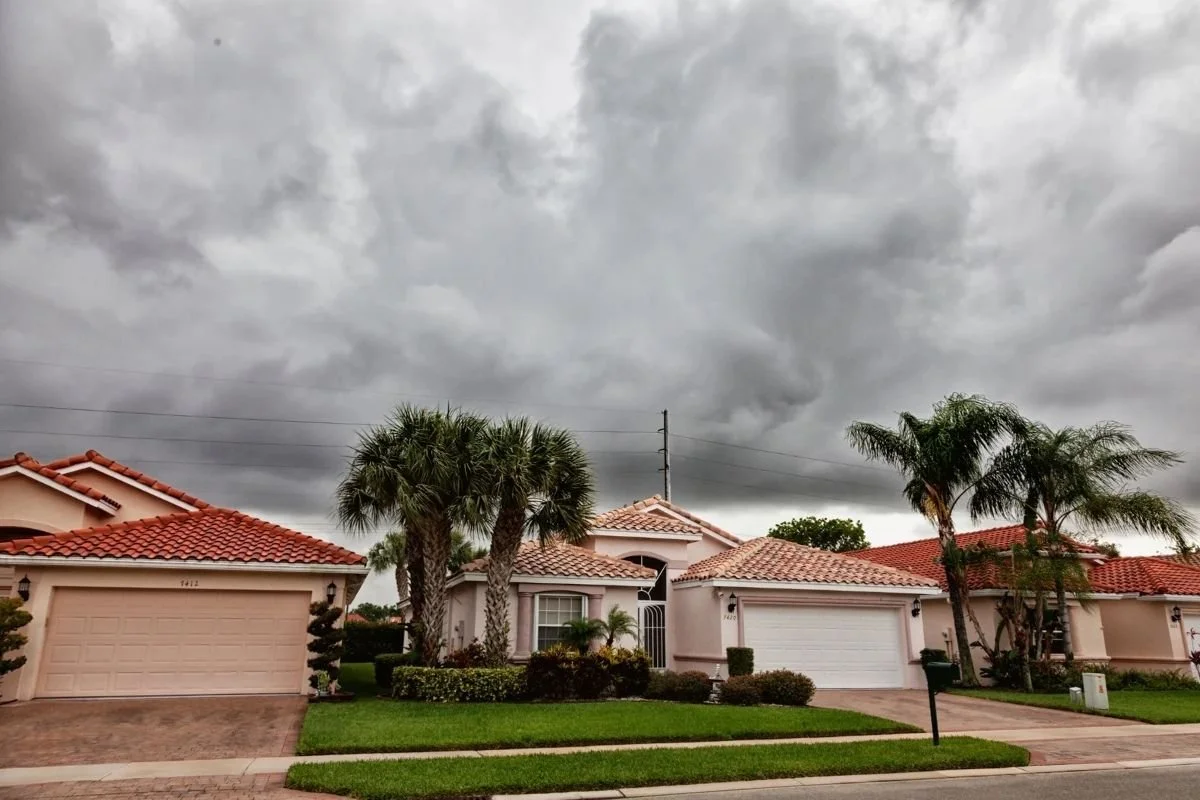
In South Florida, hurricane season doesn’t start with the first storm.
It starts with how prepared a property is before heavy rain, wind, and prolonged moisture begin to affect outdoor surfaces.
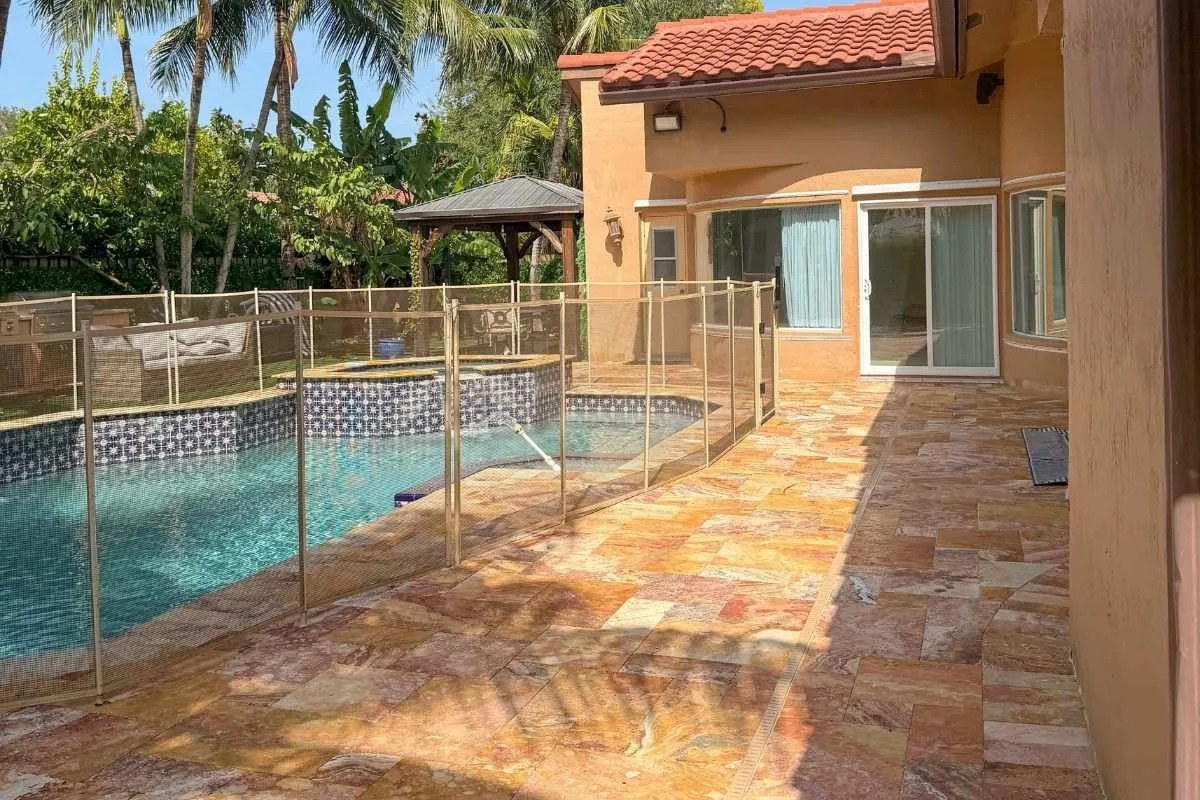
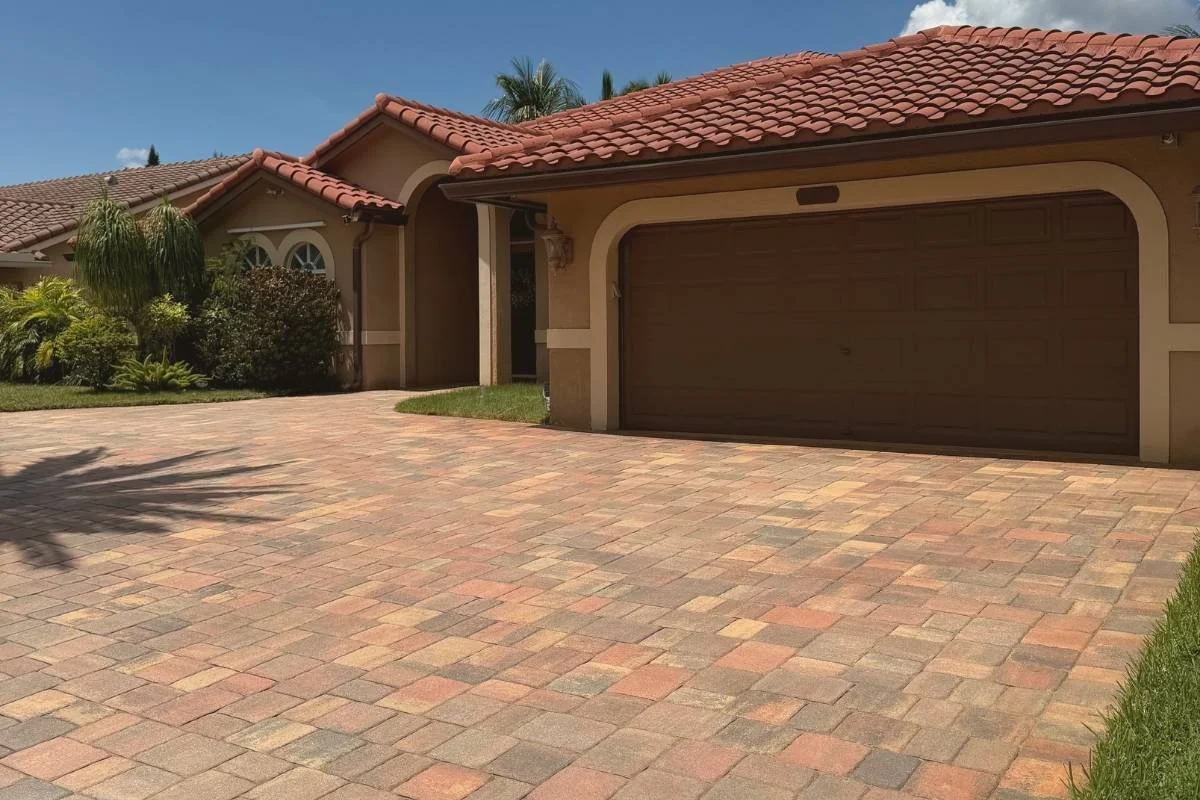
Driveways, patios, walkways, and pool decks are constantly exposed—but during storm season, that exposure intensifies. What may seem like a minor surface issue can quickly become a larger problem under sustained weather conditions.
Preparing surfaces ahead of time is less about reacting, and more about reducing how those surfaces respond when conditions change.
Why Outdoor Surfaces Are More Vulnerable During Hurricane Season
Heavy rain, wind, and debris don’t affect all surfaces equally.
In materials like concrete, pavers, and natural stone, storm conditions can accelerate:
water penetration
joint instability (in paver systems)
organic buildup
surface staining from debris and runoff
What usually develops slowly throughout the year can happen much faster during extended periods of rain and humidity, especially during hurricane season in Broward County.
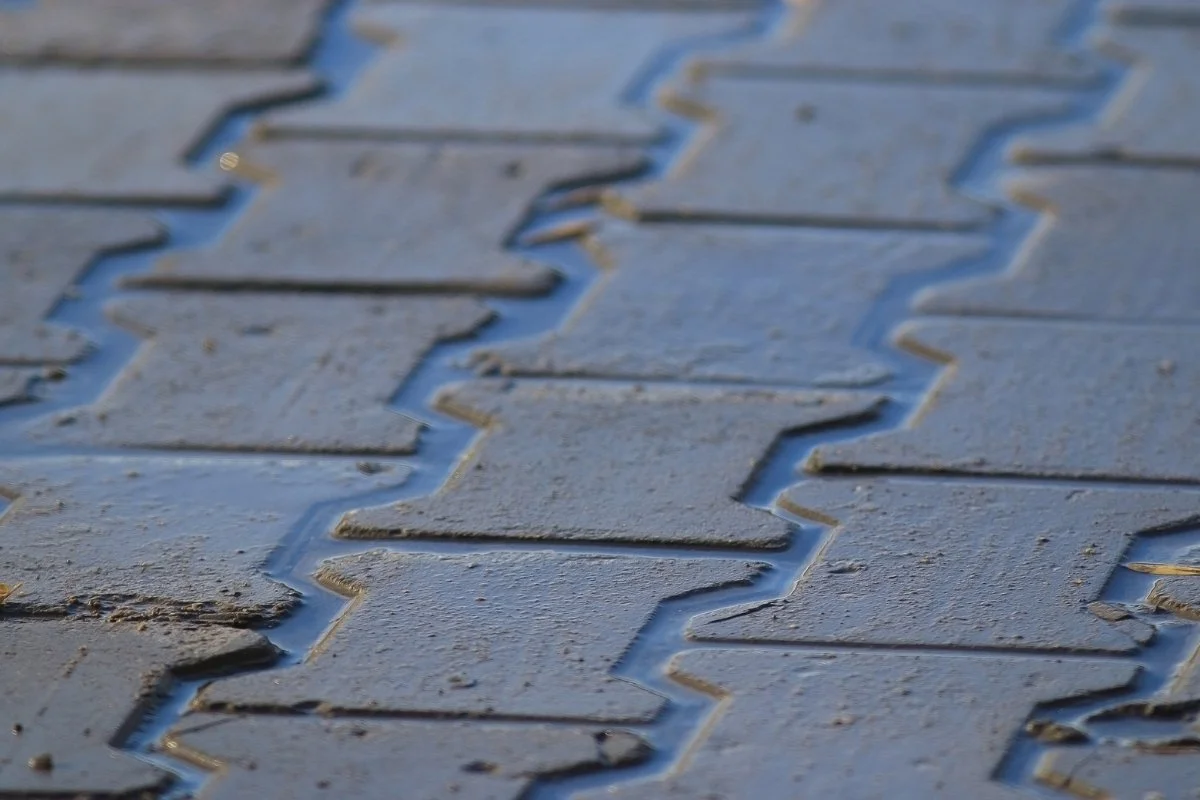
The Role of Water in Surface Deterioration
Water is the primary factor behind most surface issues during hurricane season.
It affects surfaces in different ways:
Pavers → water can weaken joint sand and shift stability
Concrete → moisture can penetrate pores and carry contaminants
Stone surfaces → prolonged exposure can lead to staining and discoloration
Once water enters the system, it often carries:
dirt and organic material
minerals
debris from surrounding areas
Over time, this combination affects both appearance and performance.
What to Address Before the Season Begins
Preparation does not require a full restoration in every case.
But certain conditions should be evaluated before entering a high-moisture period:
visible organic buildup (algae, mold)
clogged joints or drainage areas
existing stains that may deepen with rain
uneven or weakened joint sand
previously sealed surfaces showing wear
Addressing these early helps prevent more complex issues later.
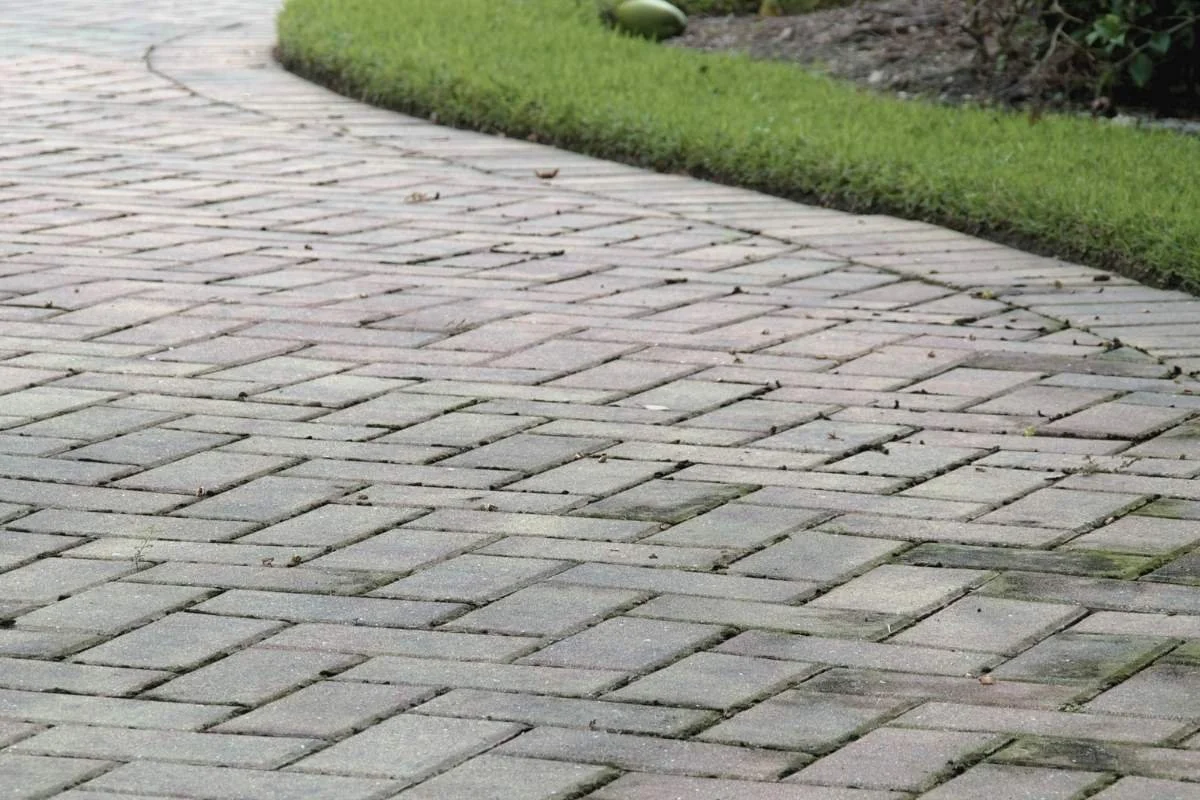
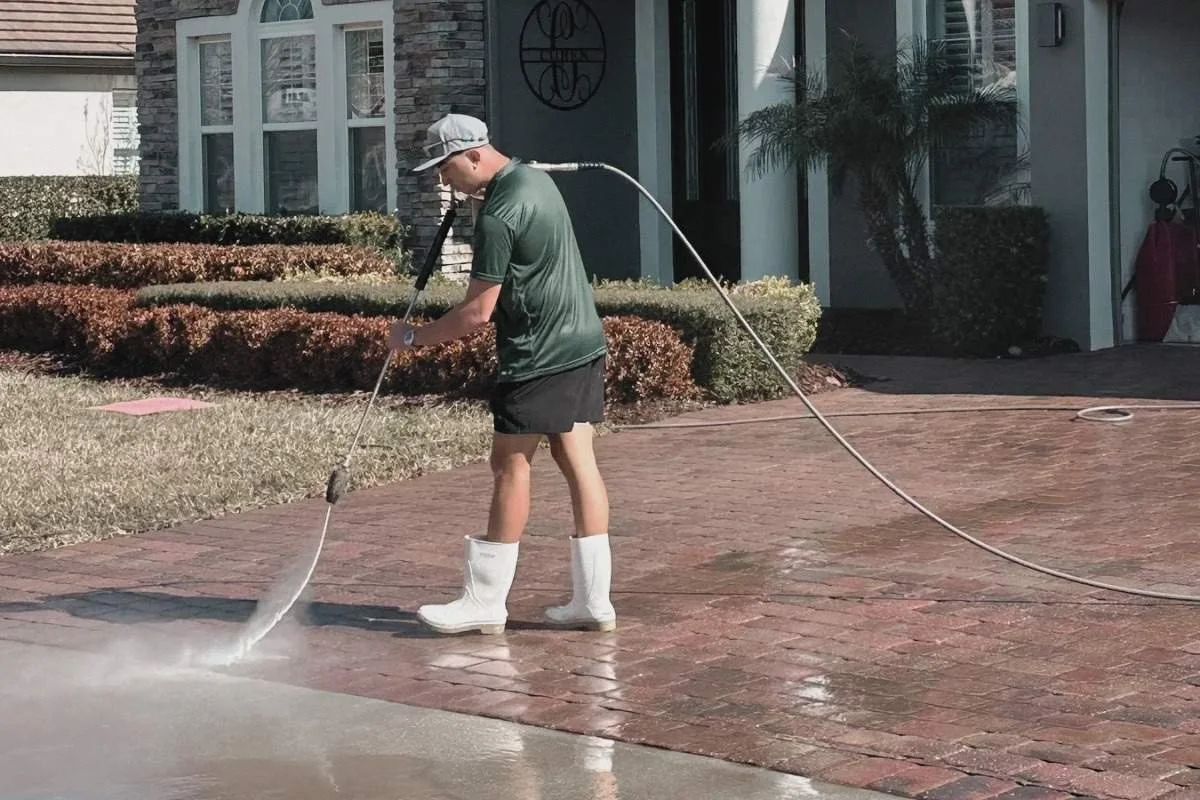
Cleaning Outdoor Surfaces Before Hurricane Season — Why It Matters
Cleaning is not only about appearance.
Before hurricane season, it serves as a preparatory step:
removes organic material that retains moisture
clears debris that can spread during storms
improves surface drainage
creates better conditions for any protective treatment
In many cases, a structured cleaning approach—such as BravaRefresh™ exterior cleaning in Broward County—helps stabilize the surface before exposure increases.
Sealing as Preventive Protection
Sealing is not always required, but when applied under the right conditions, it can help:
reduce water absorption
protect against staining
stabilize joint systems in pavers
make post-storm cleaning more manageable
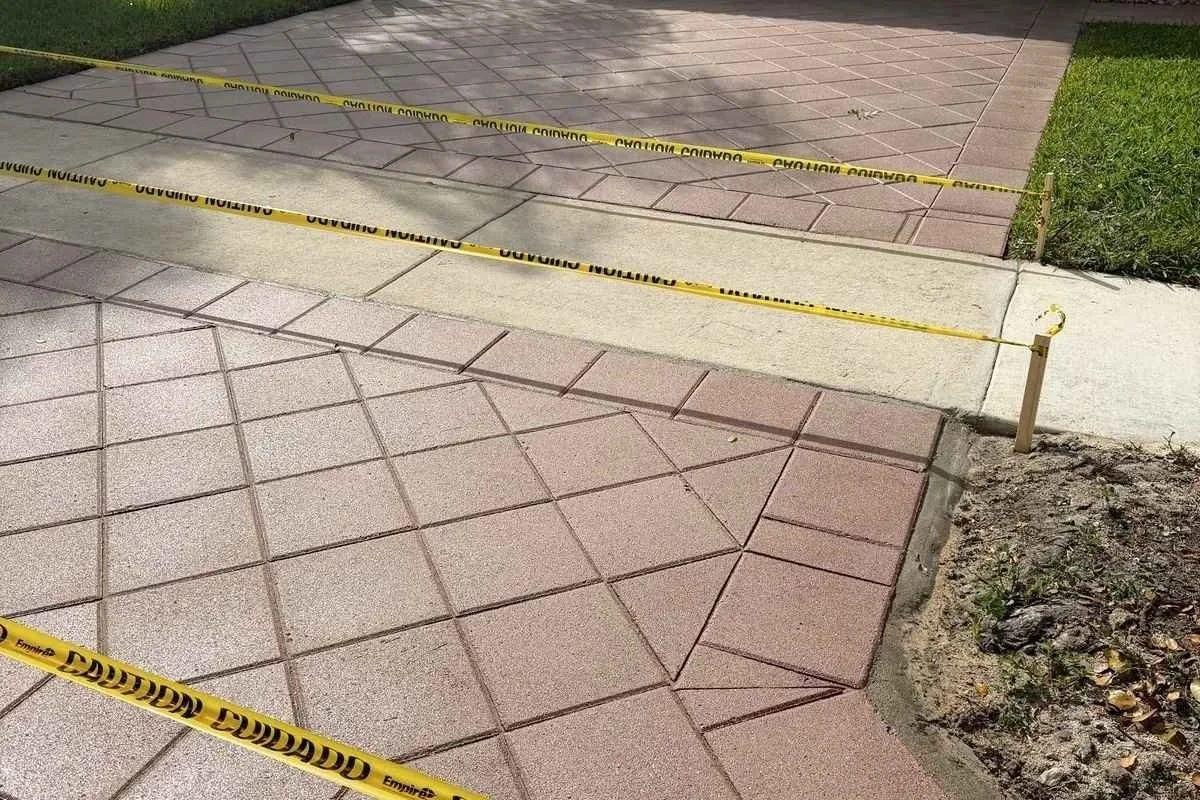
Applying a sealer too close to unstable weather conditions can affect curing and performance. This is why sealing decisions should be based on both surface condition and environmental timing.
A system like BravaProtect™ surface sealing in Broward Countyintegrates preparation and protection as part of a controlled process.
Managed Properties — A Different Approach
If you manage a property, hurricane preparation is usually not limited to a single intervention.
Surfaces are addressed as part of:
phased maintenance planning
budget allocation
risk management
This often means prioritizing:
high-traffic areas
safety-sensitive zones
surfaces most exposed to water accumulation
In this context, preparation becomes part of a broader maintenance system, not a one-time action.
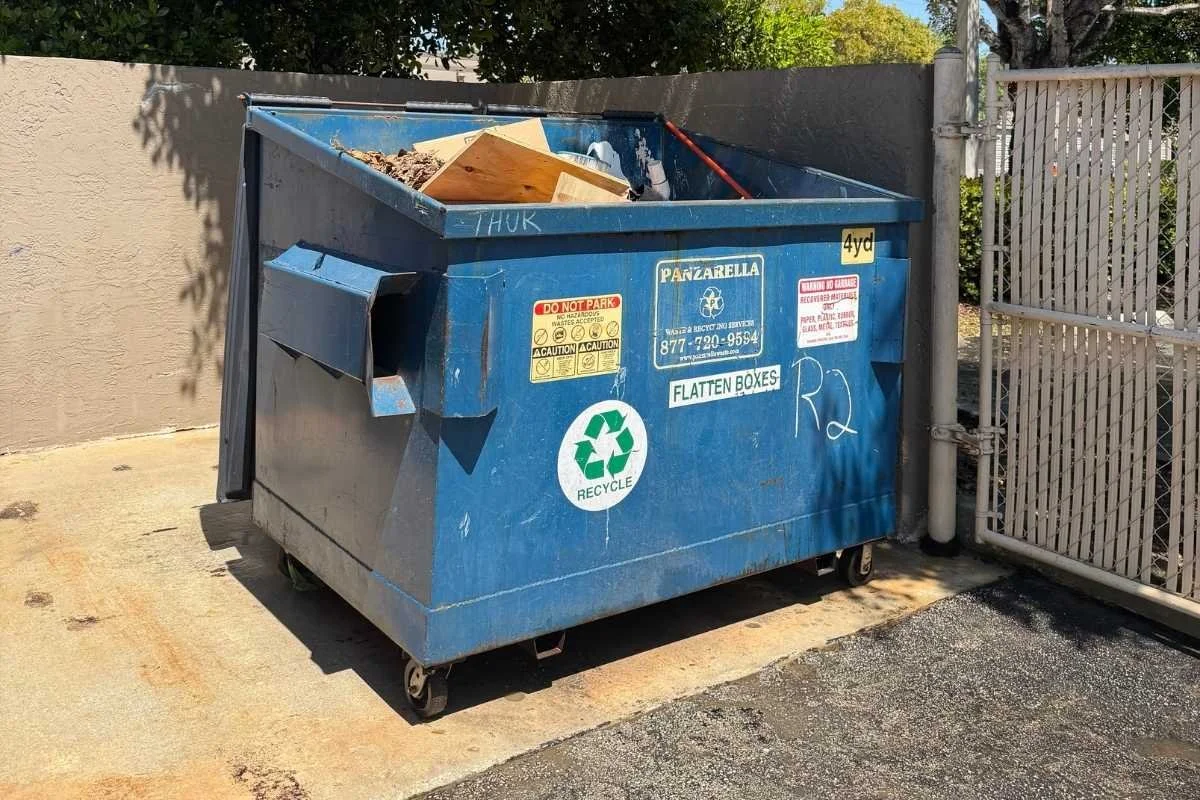
For commercial properties and managed communities, commercial exterior cleaning before rain season can help clear buildup from walkways, dumpster areas, entries, and common surfaces before moisture intensifies.
Preventive Perspective
Hurricane season does not create new problems as much as it amplifies existing ones.
Surfaces that are:
clean
stable
properly prepared
tend to respond more predictably under stress.
Those that are not often require more intensive work afterward.
FAQs
Should outdoor surfaces be cleaned before hurricane season?
Yes. Removing buildup and debris helps reduce how moisture interacts with the surface during extended rain
Is sealing necessary before heavy rain?
Not always. It depends on the condition of the surface and whether protective treatment is appropriate at that moment.
Can heavy rain damage pavers?
It can affect joint stability and increase staining, especially if the surface is already compromised.
How close to storm season can sealing be done?
Sealing should be planned with enough time for proper curing and stable weather conditions.
What areas should be prioritized?
Driveways, walkways, and pool decks—especially those with high use or poor drainage.
The Bottom Line
In South Florida, hurricane season is part of the yearly cycle.
Preparing for it is less about reacting to storms and more about understanding how surfaces behave under pressure.
And in many cases, the difference between short-term impact and long-term damage begins with how those surfaces are maintained before the season even starts.
Let your surface speak.