Why Spring Is the Best Time to Seal Pavers in South Florida
In South Florida, outdoor surfaces are exposed to sun, humidity, and frequent rain throughout the year.
For pavers, this constant exposure gradually affects both their appearance and their structural stability—especially in driveways, patios, and pool decks.
While sealing can be done at different times of the year, spring offers a unique combination of conditions that make it especially effective for long-term surface performance.
What Sealing Actually Does for Pavers
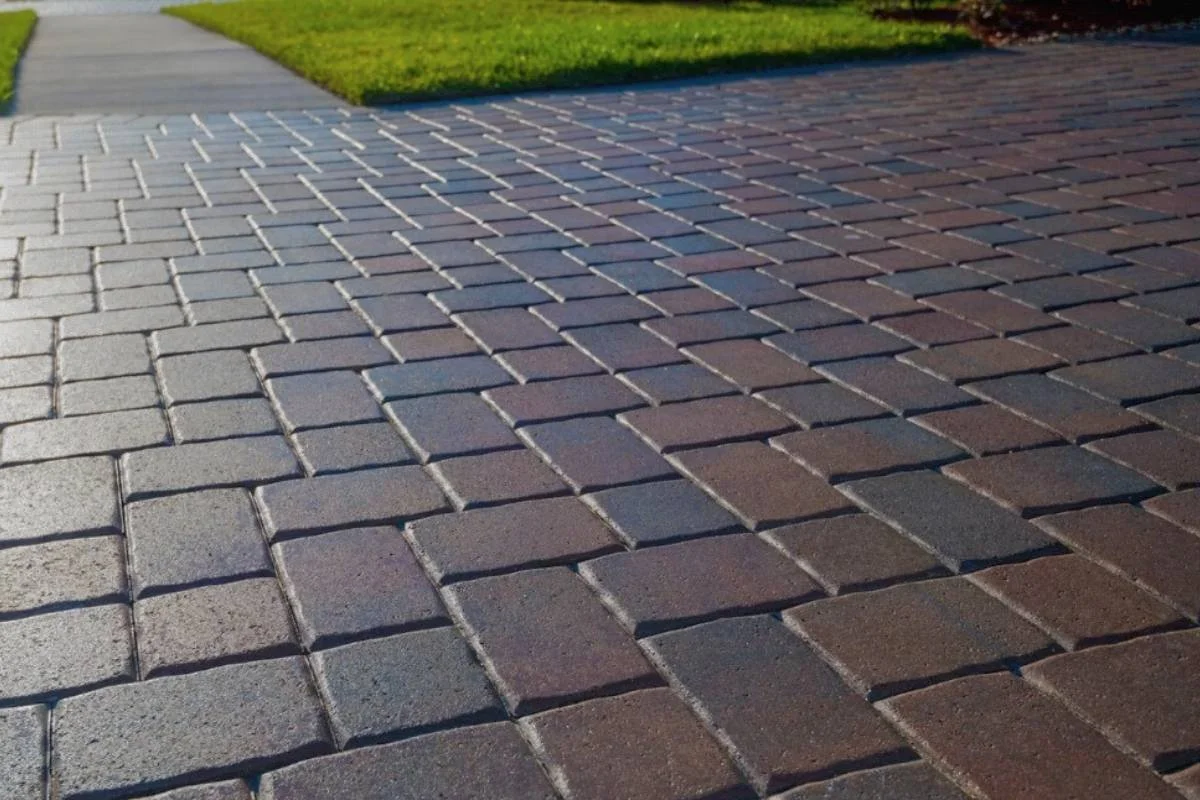
Sealing is not just about enhancing color or adding a finish.
When properly executed, it plays a functional role in how the surface behaves over time:
Helps reduce water penetration
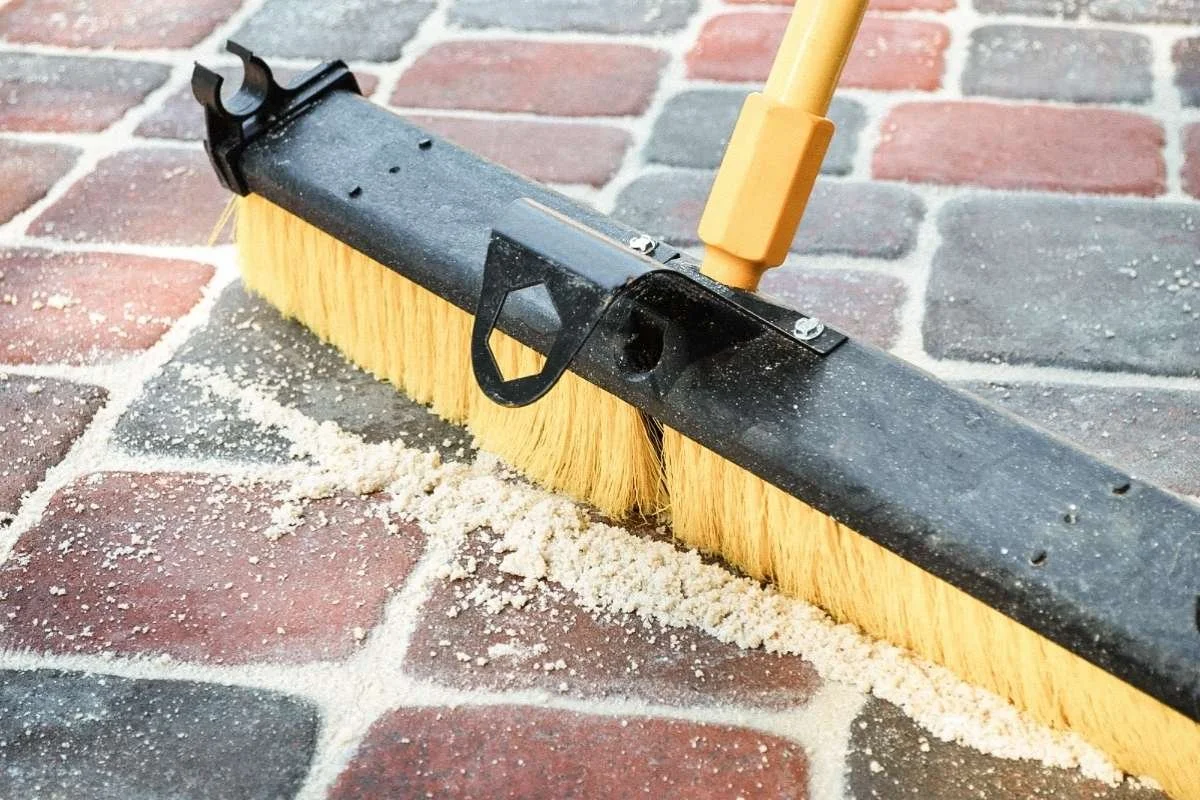
Stabilizes joint sand
Limits organic buildup (algae, mold)
Improves resistance to stains (oil, rust, debris)
Makes ongoing maintenance easier
In a climate like South Florida, where moisture and heat interact constantly, these effects become even more relevant.
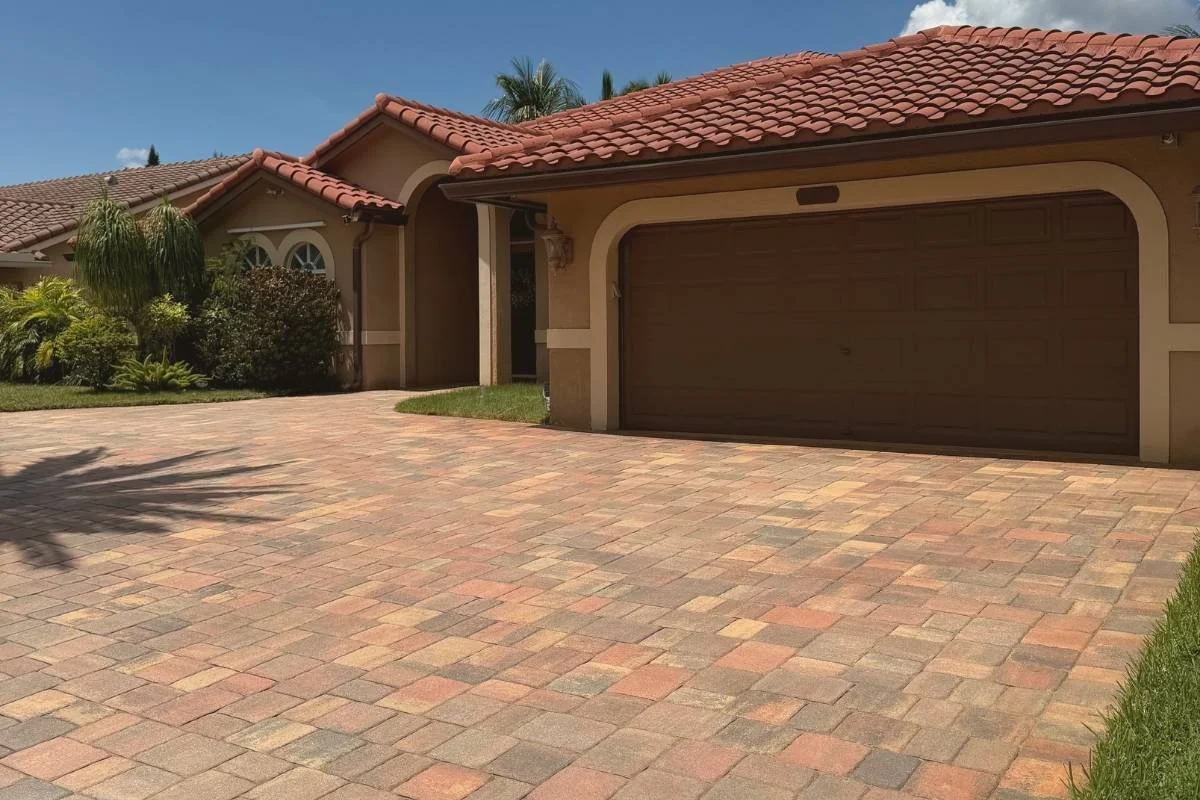
A recent real driveway paver sealing project in Coral Springs shows how sealing can be part of a broader process, including deep cleaning, weed removal, resanding, drying time, and two sealer applications.
Why Timing Matters More Than Most Homeowners Think
Sealing is not only about what you apply—but when you apply it.
Environmental conditions directly affect:
Adhesion of the sealer
Drying and curing process
Final finish consistency
Long-term durability
Applying sealer under the wrong conditions can lead to:
Uneven finish
Reduced lifespan
Surface haze or whitening
Premature wear
This is why timing is not a secondary factor—it’s part of the system.
Why Spring Creates Ideal Conditions in South Florida
Spring offers a balance that is difficult to replicate during the rest of the year.
1. More Stable Weather Windows
Compared to summer, spring typically brings:
Fewer sudden rain events
More predictable dry periods
Better planning windows for application
This allows the surface to remain dry long enough for proper curing.
2. Moderate Surface Temperatures
In peak summer months, pavers can reach very high temperatures under direct sun.
This can:
Accelerate evaporation too quickly
Affect how the sealer bonds
Create inconsistencies in finish
Spring temperatures are generally more controlled, allowing for a more even application.
3. Lower Humidity Peaks (Compared to Summer)
Humidity is always present in South Florida, but in late spring it tends to be more manageable than during peak summer.
This matters because:
Excess moisture can interfere with adhesion
Surfaces may retain hidden moisture longer than expected
A more balanced environment reduces these risks.
For homeowners considering paver sealing in Broward County, spring can offer better timing for preparation, drying, and long-term surface performance.
4. Preparation Before Heavy Rain Season
As summer approaches, rainfall becomes more frequent and intense.
Sealing in spring helps:
Protect the surface before heavy exposure
Reduce water intrusion into joints
Maintain stability during high-moisture months
In this sense, sealing is not just reactive—it’s preventive.
Not Every Surface Is Ready for Sealing
Even in ideal conditions, sealing should never be automatic.
Before applying any sealer, the surface must be evaluated for:
Residual moisture
Efflorescence (mineral deposits)
Organic buildup
Previous sealer layers
Joint sand condition
In some cases, proper preparation may include:
Deep cleaning
Targeted stain treatment
Efflorescence removal
Sealer stripping (when necessary)
This preparation stage is what determines whether sealing will perform correctly over time.
In many cases, what appears to be a simple sealing project actually requires a more structured approach—especially in properties across Broward County where surfaces are exposed year-round.
A system likeBravaProtect™ surface sealing in Broward County is designed around this principle, where preparation, stabilization, and sealing are part of the same controlled process.
How Long Does Sealing Last?
In South Florida conditions, most sealed paver surfaces typically last:
2–3 years, depending on:
Sun exposure
Traffic level
Quality of preparation
Type of sealer used
Surfaces that are properly prepared and sealed under the right conditions tend to maintain both their appearance and performance more consistently.
Preventive Care After Sealing
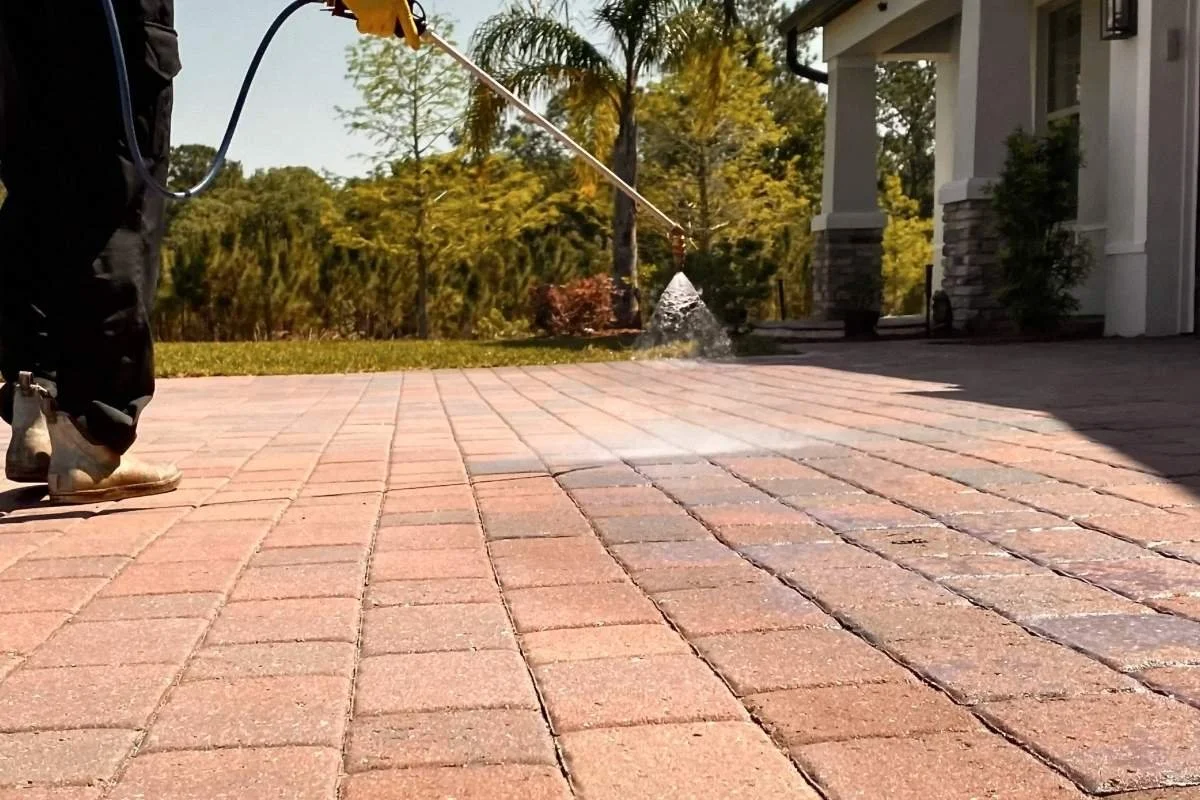
Sealing reduces maintenance—but does not eliminate it.
To extend performance:
Rinse surfaces periodically
Remove organic buildup early
Avoid harsh chemical cleaners
Monitor joints and surface wear over time
Simple maintenance helps preserve both the protective layer and the visual result.
For homeowners in Broward County, periodic evaluation—often part of ongoing paver maintenance and sealing services in Broward County—helps determine whether simple cleaning is enough or if resealing is needed.
Frequently Asked Questions
How long should pavers dry before sealing?
Typically 24–48 hours after cleaning, but this depends on humidity, shade, and surface porosity.
Can sealing be done during summer in Florida?
Yes, but it requires stricter control of temperature, timing, and moisture conditions.
What happens if it rains after sealing?
If rain occurs before proper curing, it can affect adhesion and finish quality.
Do all pavers need sealing?
No. Some surfaces may only require professional cleaning, depending on their condition and use.
What finish options are available?
Common options include:
Natural / matte finish
Satin finish
Wet look (enhanced color)
The right choice depends on both aesthetic preference and surface type.
The Bottom Line
Outdoor surfaces in South Florida are constantly evolving under the effects of climate and use.
Sealing at the right time doesn’t just improve how a space looks—it helps preserve how it performs.
Spring offers a moment of balance: before the intensity of summer, and after months of gradual wear.
And in many cases, that timing makes all the difference.
Let your surface speak.