Why Driveways, Pool Decks and Walkways Become Slippery in South Florida
Outdoor spaces are part of everyday life in South Florida — from pool decks and patios to driveways and walkways that connect the home to the street. But with constant humidity, frequent rain, and organic buildup, these surfaces can gradually become slippery over time.
What often looks like a clean surface may actually be developing a thin layer of algae, mold, or organic residue that reduces traction over time.
Understanding why this happens is the first step toward keeping outdoor areas both safe and well maintained.
Why Outdoor Surfaces Become Slippery in South Florida
Several environmental factors common in South Florida contribute to reduced traction on exterior surfaces. These changes often occur gradually, which is why many homeowners only notice the problem after a rainy day or when the surface becomes unexpectedly slick underfoot.
Humidity and moisture
South Florida’s climate keeps many exterior surfaces slightly damp for long periods, especially in shaded areas. Moisture allows microscopic organic growth to develop on stone, pavers, and concrete, creating a thin film that can reduce grip.
Algae and organic buildup
Algae, mold, and other organic residues thrive in humid environments. Over time they can accumulate on pool decks, driveways, and walkways, particularly where water drains slowly or where surfaces receive less direct sunlight.
Shade from landscaping
Areas near trees, hedges, or fences tend to stay damp longer after rain. These shaded zones are often where slippery buildup appears first.
Foot traffic and everyday use
Driveways and walkways naturally collect dust, tire residue, leaves, and organic debris. When combined with moisture, these materials can create a subtle but noticeable reduction in surface traction.
Surfaces Most Affected
Although the same environmental conditions apply across the property, some surfaces tend to experience slippery buildup more quickly than others.
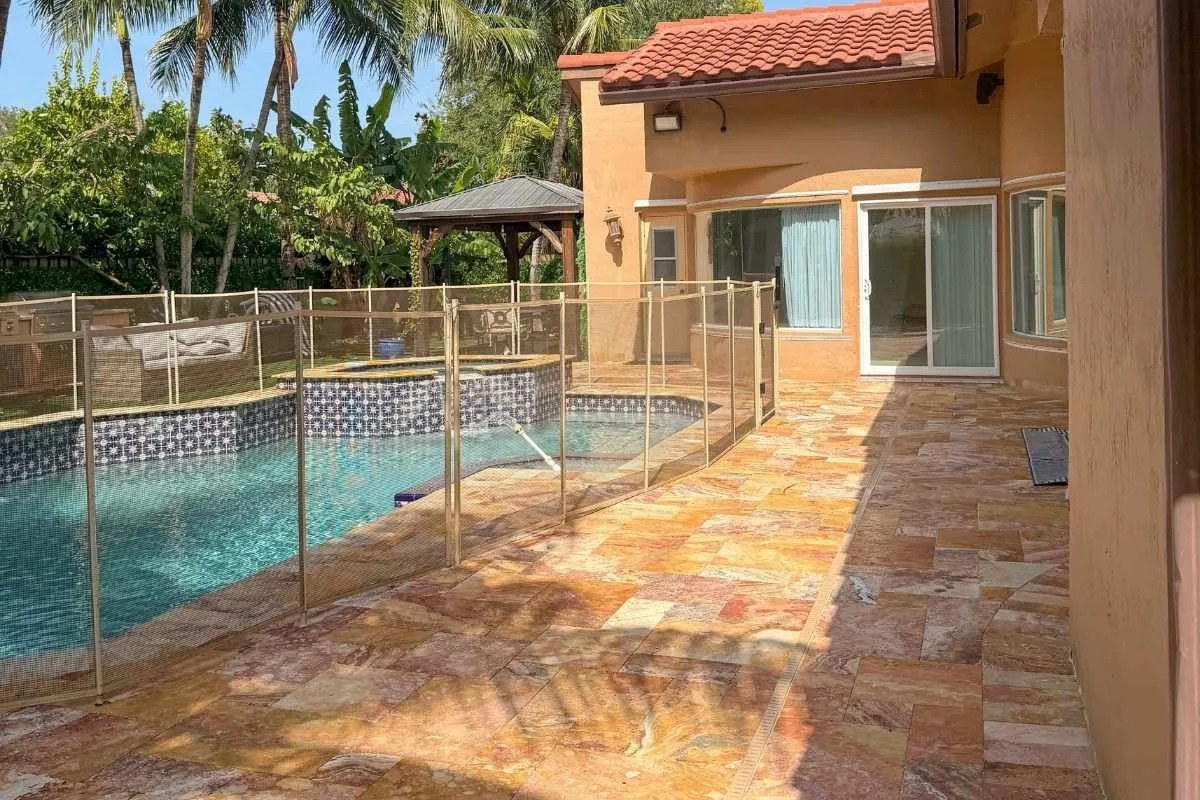
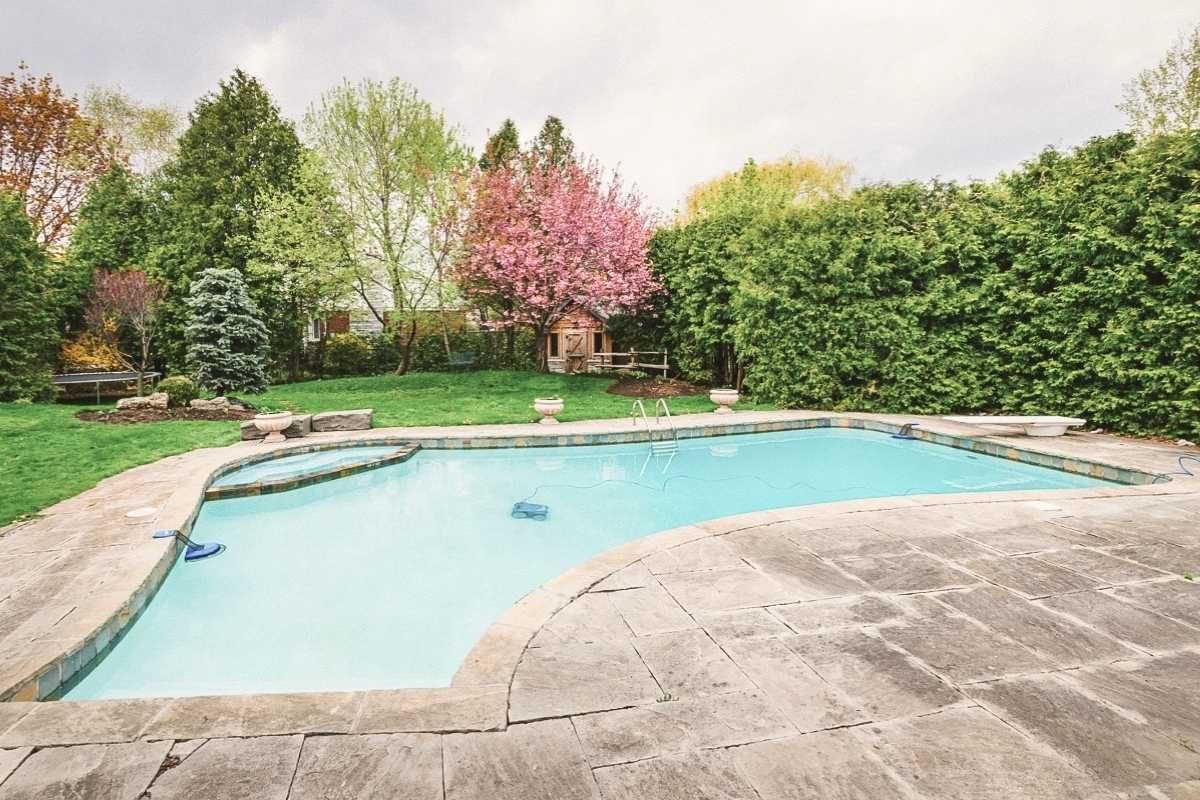
Pool decks
Pool areas combine water exposure with sunscreen residue, organic debris, and humidity. These conditions can gradually create a thin film on the surface that reduces traction, particularly on natural stone or pavers.
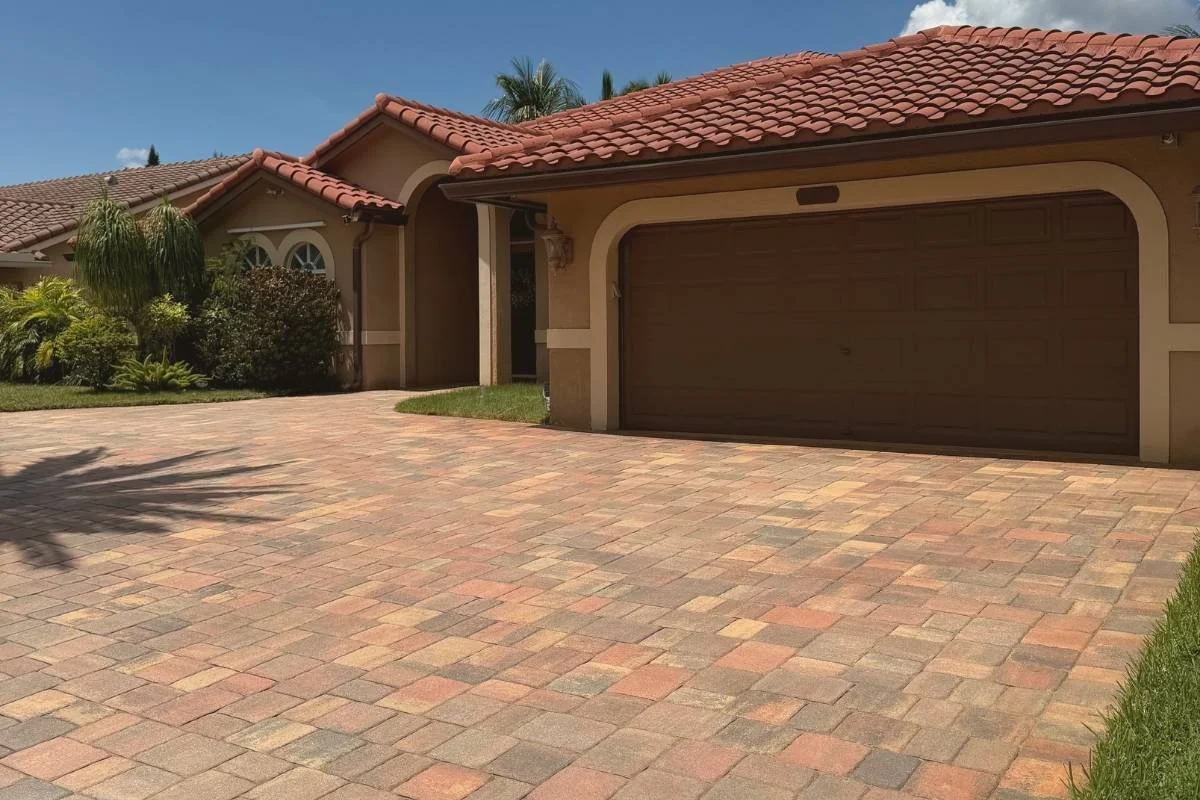
Driveways
Driveways often collect tire marks, dust, and organic debris carried by wind or rain. In shaded sections, these materials can combine with moisture and lead to a slick surface, especially after rainfall.
Walkways and sidewalks
Walkways experience regular foot traffic and often remain damp after rain or irrigation. Leaves, pollen, and organic residue can accumulate along edges or joints, creating areas where traction slowly decreases.
These conditions are common across South Florida communities such as Coral Springs, Parkland, Weston, and other areas of Broward County, where humidity and frequent rainfall create ideal conditions for organic buildup.
Why This Becomes a Safety Concern
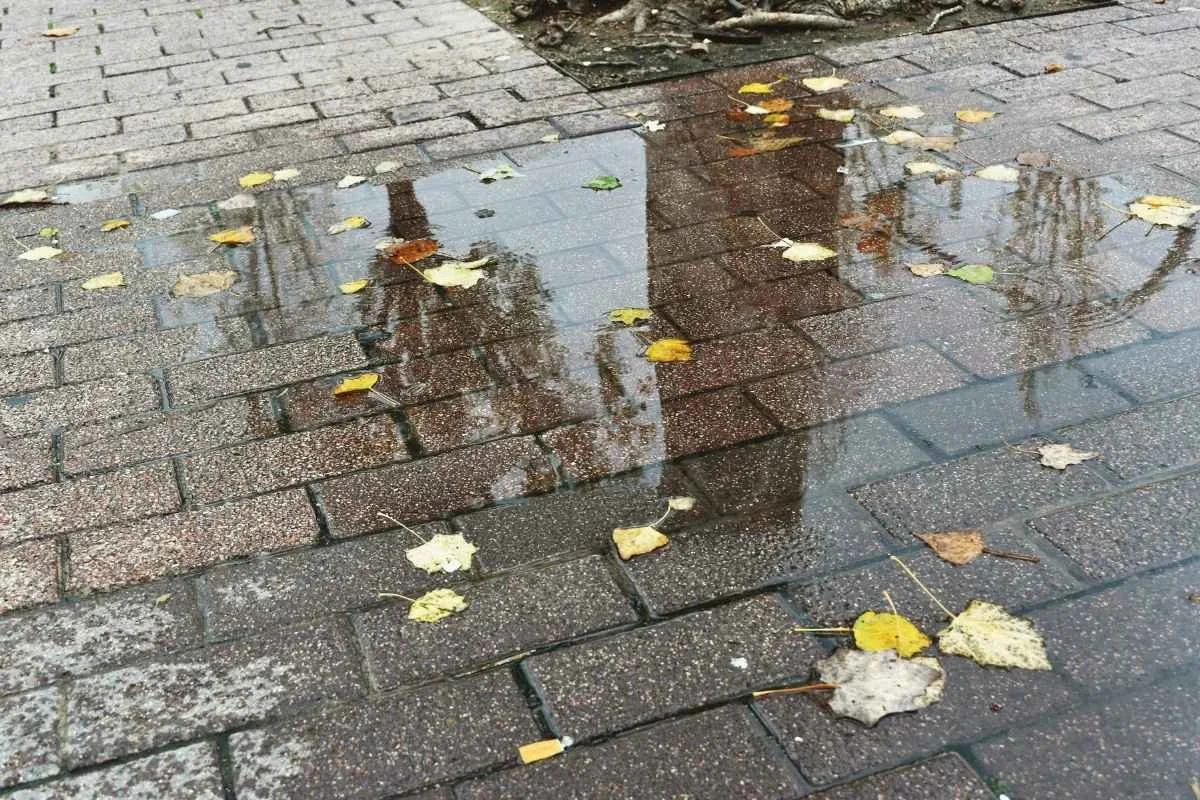
Slippery outdoor surfaces are not always obvious at first glance. A driveway or pool deck may appear clean while still holding a thin layer of organic buildup that becomes noticeable only when wet.
For homeowners, this can create potential risks when:
children are running around outdoor areas
guests visit the property
surfaces remain wet after rain
elderly residents use walkways and entry paths
Maintaining proper surface conditions helps ensure outdoor spaces remain both welcoming and safe.
For storefronts, managed properties, and shared walkways, commercial sidewalk cleaning in Broward County helps address buildup in areas where appearance and traction both matter.
How Professional Surface Care Helps
Routine exterior maintenance can significantly reduce the conditions that allow slippery buildup to form.
Professional surface care typically focuses on:
removing organic buildup and surface residue
restoring the natural texture of the material
preparing the surface for long-term protection when sealing is appropriate
When done correctly, this process helps preserve the appearance of outdoor areas while also maintaining the natural traction of the surface.
Preventing Slippery Surfaces
Although South Florida’s climate cannot be controlled, several simple practices help reduce slippery conditions over time.
Homeowners can help maintain safer outdoor surfaces by:
keeping driveways and walkways free of organic debris
addressing shaded areas where moisture accumulates
performing periodic professional cleaning
applying appropriate surface protection when needed
Regular maintenance not only improves safety but also preserves the appearance and longevity of exterior materials. Learn more about Exterior Cleaning in Broward County.
Maintaining Safe Outdoor Surfaces in South Florida
Because outdoor surfaces in South Florida are constantly exposed to humidity, rain, and organic debris, occasional maintenance becomes an important part of preserving both their appearance and safety.
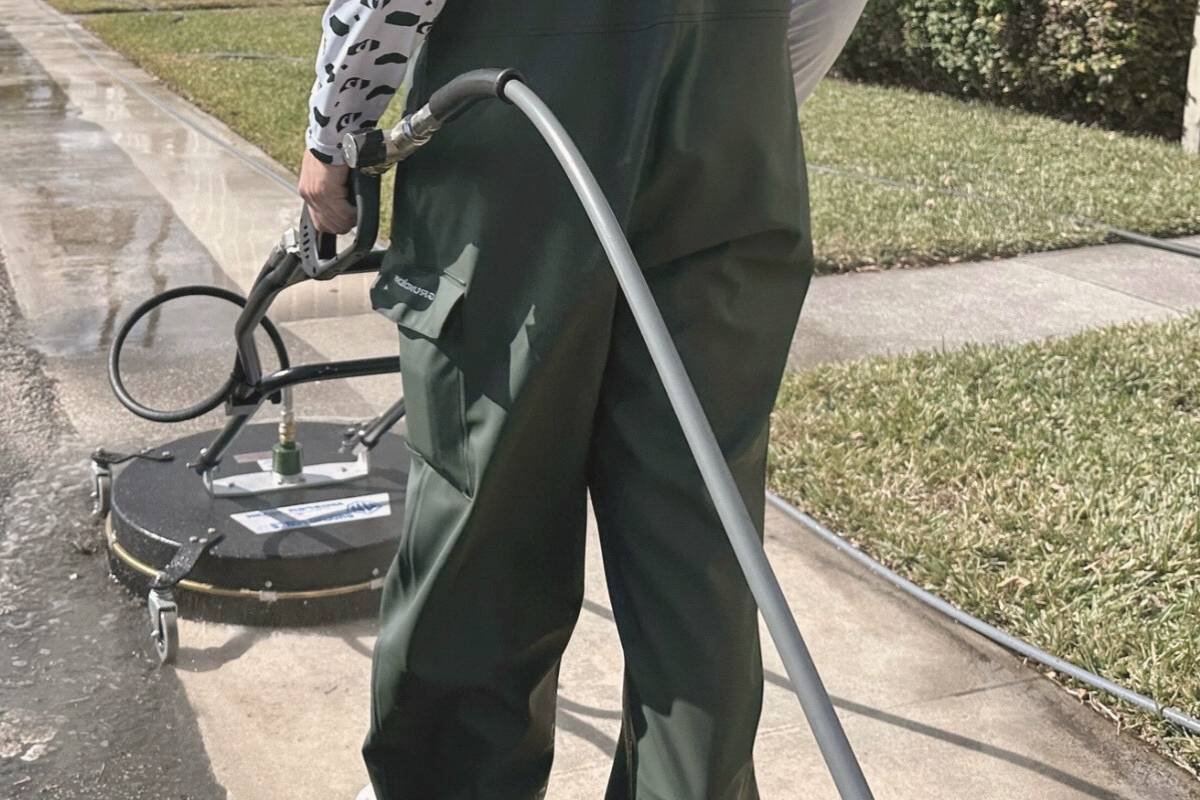
Over time, organic buildup can gradually reduce the natural texture of materials like concrete, pavers, and natural stone. Periodic professional cleaning helps remove this buildup and restore the surface’s original traction. In some cases, applying the appropriate type of protective sealer can also help slow the return of algae, moisture absorption, and staining.
For homeowners, the goal is simple: maintaining outdoor spaces that remain safe, clean, and enjoyable throughout the year.
Frequently Asked Questions
Why do pool decks become slippery even when they look clean?
Pool decks often accumulate a thin layer of algae, sunscreen residue, and organic buildup that is not always visible. When the surface becomes wet, this layer can reduce traction and make the area feel slippery underfoot.
Why are driveways sometimes slippery after rain?
Driveways collect dust, tire residue, pollen, and organic debris. When rain or humidity mixes with these materials, it can create a thin film that reduces grip on the surface.
Are slippery walkways common in South Florida?
Yes. The combination of humidity, shade, and frequent rainfall allows algae and organic buildup to develop more easily on outdoor surfaces. Walkways near landscaping or areas with limited sunlight are particularly prone to this.
Does sealing make surfaces more slippery?
When applied correctly, professional sealers are designed to protect the surface without compromising traction. In areas such as pool decks, specialized finishes or additives can be used to maintain safe slip resistance.
How often should outdoor surfaces be cleaned to prevent slippery buildup?
Most outdoor surfaces benefit from periodic professional cleaning to remove algae, organic residue, and accumulated dirt. The exact frequency depends on factors such as shade, moisture levels, nearby vegetation, and overall use of the space.If surfaces appear faded, stained, or unstable, professional evaluation before listing is often beneficial.
The Bottom Line
Outdoor spaces are designed to be used and enjoyed — whether around the pool, along a garden walkway, or at the entrance of a home.
Understanding how South Florida’s climate affects these surfaces helps homeowners recognize early signs of buildup and maintain outdoor areas that remain safe, clean, and welcoming throughout the year.
BravaSurface is based in Coral Springs and provides exterior surface cleaning and sealing services across Broward County.
Let your surface speak.