How Heavy Rain Affects Pavers and Concrete in South Florida
Heavy rain is part of life in South Florida.
But outdoor surfaces do not all respond to rain in the same way. Pavers, concrete driveways, walkways, patios, and pool decks each absorb, retain, and release moisture differently depending on their condition, age, material, and previous maintenance.
What looks like a simple wet surface after a storm can sometimes reveal deeper issues: weakened joints, trapped moisture, organic buildup, surface staining, or areas where water is not draining properly.
Understanding how rain affects pavers and concrete helps homeowners recognize when a surface simply needs to dry — and when it may need professional attention.
Rain Does Not Usually Create the Problem First
Heavy rain often exposes conditions that were already developing.
A driveway may already have loose joint sand.
A patio may already be holding moisture.
A concrete walkway may already have organic buildup in shaded areas.
When rain becomes frequent or intense, those issues become more visible.
In South Florida, repeated rain cycles can accelerate:
moisture retention
surface staining
algae and organic buildup
joint sand movement
uneven surface appearance
wear on previously sealed areas
This is why the condition of a surface before rain season matters as much as the storm itself.
How Heavy Rain Affects Pavers
Pavers are installed as a system.
The surface itself matters, but so do the joints, base, slope, and drainage around it. When heavy rain moves across or through a paver surface, it can affect several parts of that system.
1. Joint Sand Can Shift or Wash Out
Joint sand helps stabilize pavers and reduce movement. During periods of heavy rain, especially when drainage is poor, water can move through the joints and gradually displace sand.
Over time, this may lead to:
wider joints
loose pavers
uneven areas
increased weed growth
higher risk of surface instability
This does not always happen immediately. Often, it develops slowly and becomes noticeable after repeated rain.
When joint sand is unstable or water is affecting the paver system, paver sealing and joint stabilization may become part of the maintenance plan.
2. Moisture Can Stay Trapped Between Pavers
Pavers are porous to different degrees. Some absorb more water than others, and shaded areas may stay damp longer.
When moisture remains trapped, it can contribute to:
darkened areas
mildew or algae growth
slippery surface conditions
uneven drying patterns
This is especially common around pool decks, side yards, patios, and areas with limited sunlight.
3. Stains Can Become More Visible
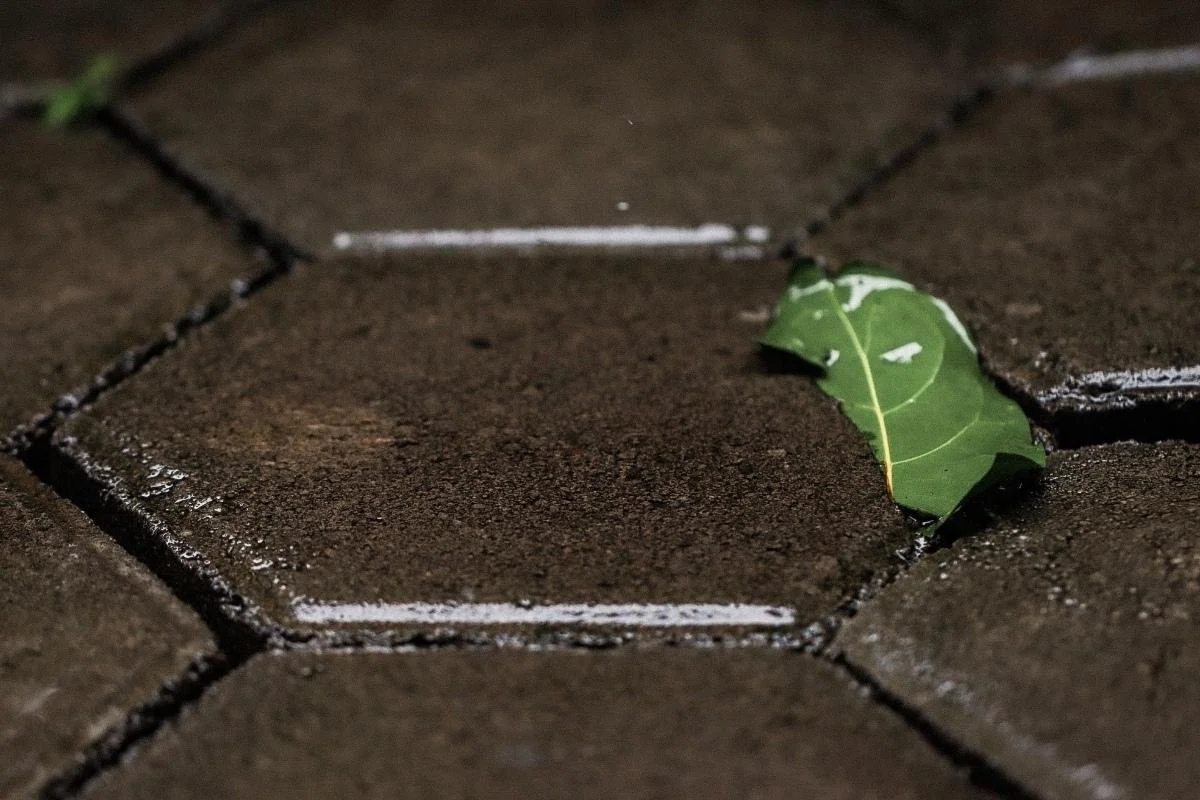
Rainwater carries debris, soil, leaves, minerals, and organic matter across the surface.
When this runoff settles into paver texture or joints, stains may become more visible over time.
Common rain-related staining includes:
leaf stains
soil runoff
rust transfer
mineral deposits
dark organic marks near shaded areas
Once stains penetrate, they may require more than standard rinsing.
How Heavy Rain Affects Concrete
Concrete behaves differently from pavers, but it is also affected by moisture.
Concrete is porous, which means water can enter the surface. The degree of absorption depends on the concrete’s age, finish, density, and whether it has been previously sealed.
1. Water Can Carry Contaminants Into the Surface
Rainwater often moves across driveways and walkways carrying:
dirt
fertilizer residue
oil traces
leaves
minerals
organic material
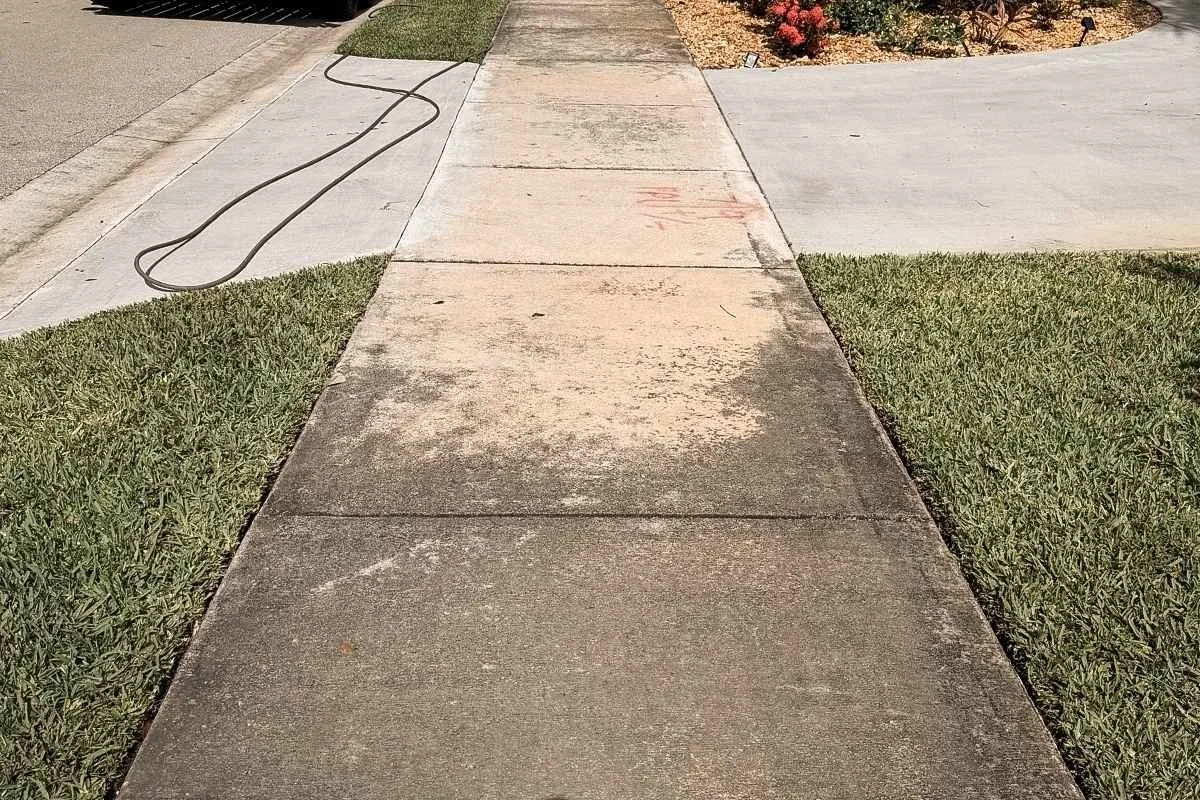
When these contaminants settle into the pores of concrete, discoloration can become harder to remove.
2. Organic Growth Can Spread Faster
Concrete in shaded or damp areas is especially vulnerable to algae, mildew, and other organic buildup.
Heavy rain creates ideal conditions because it adds moisture and reduces drying time.
This can affect:
sidewalks
entry walkways
pool decks
shaded driveways
commercial common areas
When buildup develops, the issue is not only visual. It may also affect traction over time.
In commercial settings, commercial surface cleaning for walkways and common areas becomes especially important after repeated rain, when organic buildup, debris, and moisture-retaining residue can affect both appearance and daily use.
3. Unsealed Concrete May Absorb More Moisture
Unsealed concrete has less protection against water penetration and staining.
That does not mean every concrete surface needs sealing. But when a surface is exposed to frequent rain, traffic, or staining, sealing may help reduce absorption and make maintenance easier.
The key is evaluating whether the surface is ready for sealing — not applying a product automatically.
Why Some Areas Stay Wet Longer Than Others
If one section of a driveway, patio, or walkway stays wet much longer than the rest, it may indicate more than shade.
Common reasons include:
poor slope
clogged joints
compacted organic buildup
porous surface material
blocked drainage paths
uneven surface wear
These areas deserve attention because prolonged moisture can lead to more buildup, staining, and surface instability over time.
A surface that dries evenly is usually easier to maintain. A surface that stays wet in isolated areas often needs closer evaluation.
Cleaning After Rain Is Not Just Cosmetic
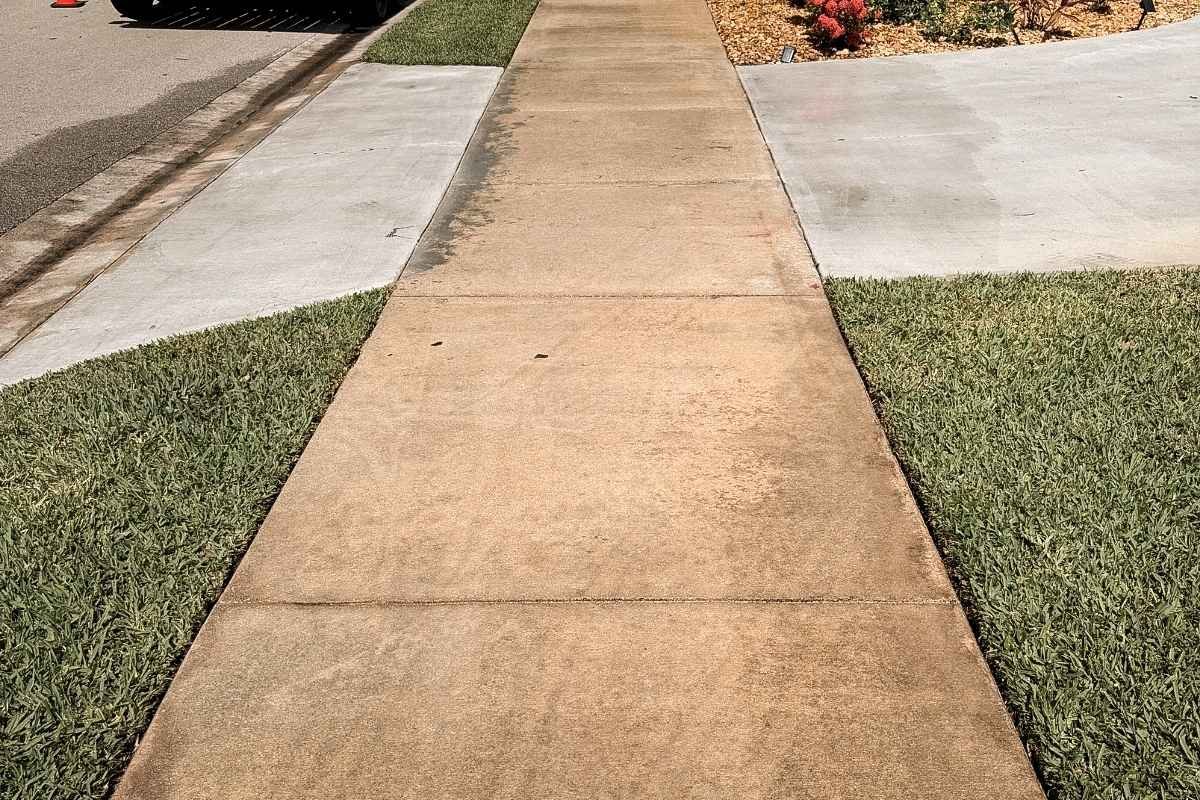
After heavy rain, cleaning is often seen as a visual improvement.
But in many cases, it is also a preventive step.
Professional surface cleaning can help:
remove organic buildup
clear debris from textured areas
reduce moisture-retaining residue
improve surface appearance
prepare the surface for future treatment if needed
For surfaces affected by rain, buildup, or recurring moisture, a structured cleaning process like BravaRefresh™ exterior surface cleaning in Broward County can help restore the surface condition without assuming that sealing is required.
When Sealing Becomes Part of the Conversation
Sealing is not always the next step after rain.
The surface first needs to be evaluated.
Sealing may be considered when:
pavers are losing joint stability
concrete is absorbing stains quickly
surface color is fading unevenly
previous protection has worn down
post-rain cleaning is becoming harder
water and debris are penetrating too easily
In these cases, sealing can help reduce water absorption, improve stain resistance, stabilize paver joints, and make ongoing maintenance more manageable.
A system like BravaProtect™ surface sealing in Broward County is designed around this sequence: evaluate, prepare, and protect according to surface condition.
Why Preparation Matters Before Sealing
One of the biggest mistakes is sealing over moisture, buildup, stains, or unstable joints.
After periods of heavy rain, surfaces may need time and preparation before any protective treatment is applied.
Before sealing, a professional evaluation may include:
checking moisture conditions
identifying stains or mineral deposits
evaluating joint sand condition
confirming previous sealer performance
determining whether cleaning or treatment is needed first
Sealing is most effective when the surface is clean, stable, and ready to receive protection.
This is why rain-related surface care should be approached as a system — not as a quick application.
Preventive Maintenance Before Rain Season
Heavy rain is easier to manage when the surface is already maintained.
Before the wettest months, homeowners can look for:
darkened areas that stay wet
loose joint sand
slippery spots
stains that deepen after rain
faded or uneven sealed areas
pooling water or slow drainage
These signs do not always mean there is major damage. But they do suggest the surface may need cleaning, treatment, or protection before conditions intensify.
FAQs
Can heavy rain damage pavers?
Heavy rain can affect paver systems by washing out joint sand, increasing moisture retention, and making existing instability more visible. The surface condition before rain season often determines how serious the impact becomes.
Does rain damage concrete driveways?
Rain itself does not always damage concrete, but repeated moisture exposure can carry contaminants into the surface, deepen stains, and support organic buildup, especially in shaded or unsealed areas.
Why do pavers look darker after rain?
Pavers often appear darker when they absorb moisture. If certain areas stay dark much longer than others, it may indicate trapped moisture, shade, porosity, or drainage issues.
Should pavers be sealed before rain season?
Sealing may help reduce water absorption and stabilize joints, but the surface must be properly cleaned, dry, and evaluated before sealing. Timing and preparation are critical.
Is cleaning enough after heavy rain?
Sometimes, yes. If the surface is structurally stable and only has buildup or debris, professional cleaning may be enough. If there are signs of joint instability, worn protection, or recurring staining, sealing may also be considered.
The Bottom Line
Heavy rain is not just a weather event. For outdoor surfaces, it is a test of preparation, drainage, material condition, and previous maintenance.
In South Florida, pavers and concrete are constantly exposed to moisture, heat, and organic buildup. Rain does not always create surface problems from nothing — but it often reveals what was already happening.
The earlier those signs are recognized, the easier it is to choose the right next step: cleaning, treatment, sealing, or simply better maintenance over time.
Let your surface speak.