Signs Your Outdoor Surfaces Are Not Ready for Rain Season in South Florida
Rain season does not always create surface problems from nothing.
In many cases, it reveals what was already happening quietly: moisture-retaining buildup, unstable joints, poor drainage, worn protection, or surface areas that no longer dry evenly.
For homeowners in South Florida, these signs can be easy to overlook before the rain becomes frequent. A driveway may look mostly clean. A patio may seem fine. A walkway may only feel slippery after several wet days.
But outdoor surfaces often show warning signs before larger maintenance issues appear.
Recognizing those signs early can help determine whether a surface needs cleaning, treatment, sealing, or simply closer evaluation before conditions intensify.
1. Some Areas Stay Dark Long After Rain
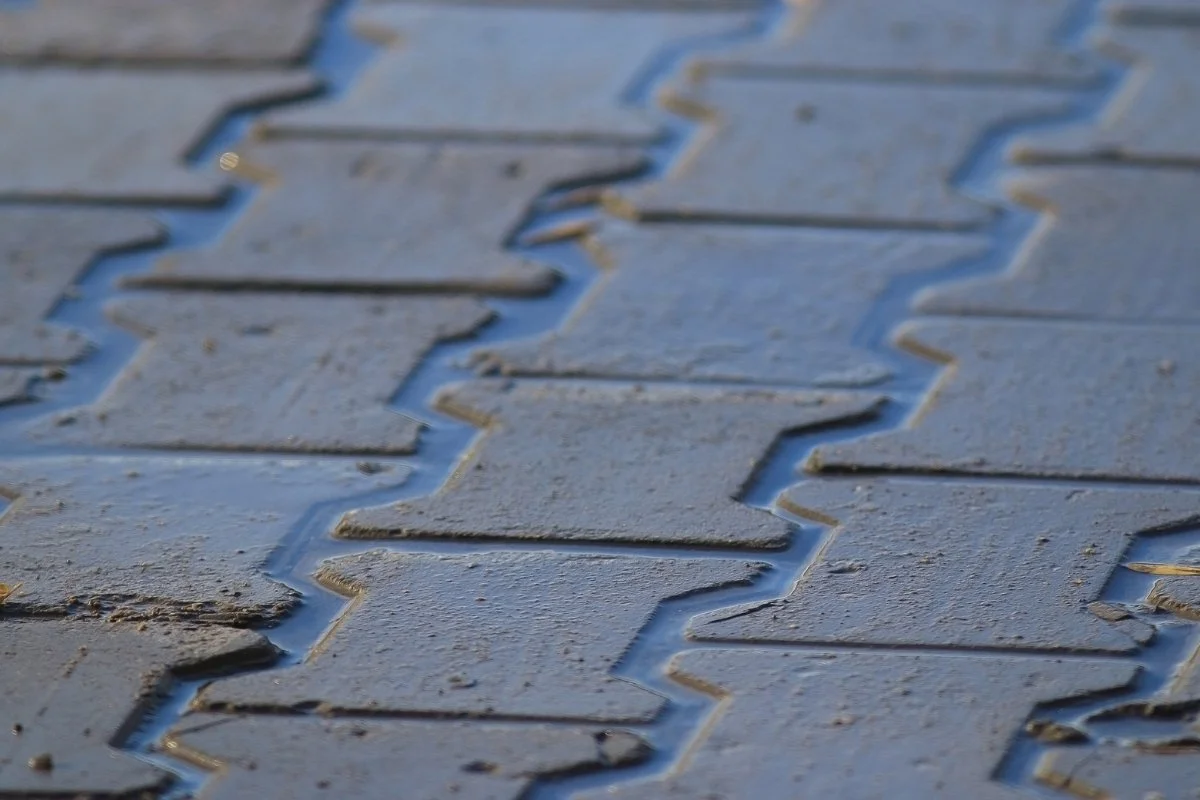
It is normal for pavers, concrete, and natural stone to darken when wet.
The concern begins when certain areas stay dark much longer than the rest of the surface.
This can happen when moisture is being held by:
organic buildup
compacted debris
shaded areas
porous surface material
drainage limitations
worn or uneven surface protection
A surface that dries evenly is usually easier to maintain. A surface that stays wet in isolated areas may be holding moisture in a way that encourages staining, algae growth, or surface discoloration over time.
This does not always mean there is damage. But it is a sign worth watching before rain season becomes more active.
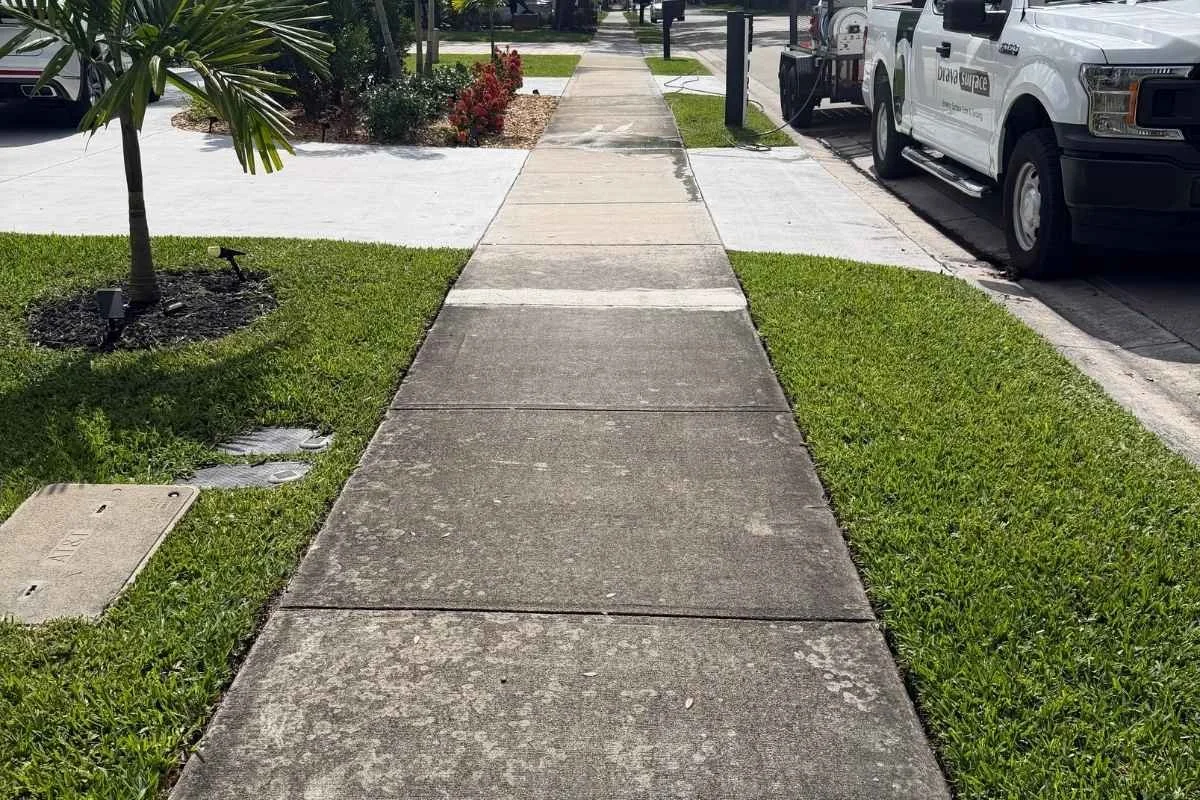
2. Walkways or Pool Decks Feel Slippery After Rain
Slipperiness is one of the most noticeable signs that a surface may not be ready for extended moisture.
In South Florida, shaded walkways, pool decks, patios, and entry areas can develop organic buildup that becomes more noticeable when wet.
The surface may look only slightly darker or greener, but once rain or humidity is added, traction can change.
This is especially important in:
pool decks
sidewalks
front entryways
shaded patios
commercial walkways
common areas
In Broward County, this is especially relevant for homes, HOAs, and managed properties where outdoor walkways, pool areas, and common surfaces are exposed to frequent rain, shade, and daily use.
A slippery surface is not only a visual maintenance issue. It may indicate that buildup is affecting how the surface performs under wet conditions.
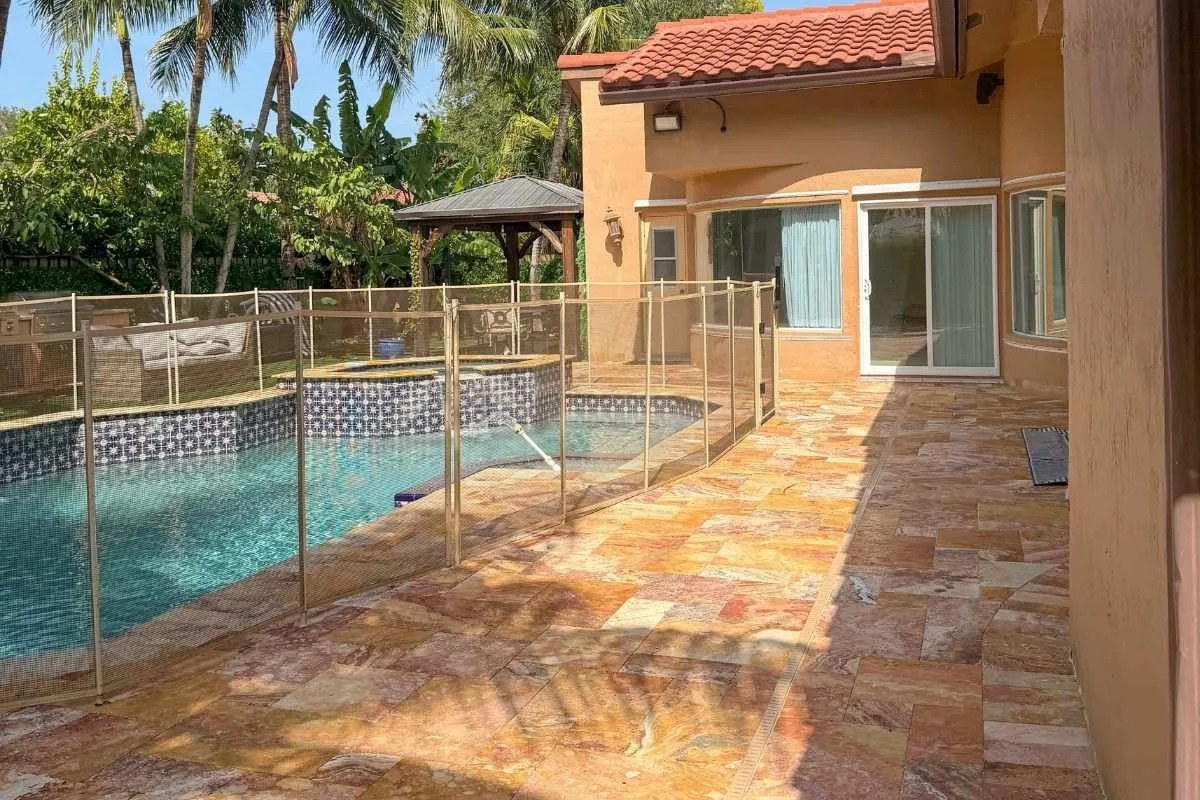
If your patio or poolside surface is showing algae, mildew, slippery buildup, or moisture-related staining, professional patio cleaning can help restore a cleaner outdoor living space.
3. Paver Joints Look Loose, Low, or Washed Out
Paver surfaces depend on more than the individual pavers.
The joints help stabilize the system.
Before rain season, homeowners should look for areas where joint sand appears:
low
uneven
missing
loose
washed out
filled with debris or weeds
When joints are already weakened, repeated rain can make the condition more visible.
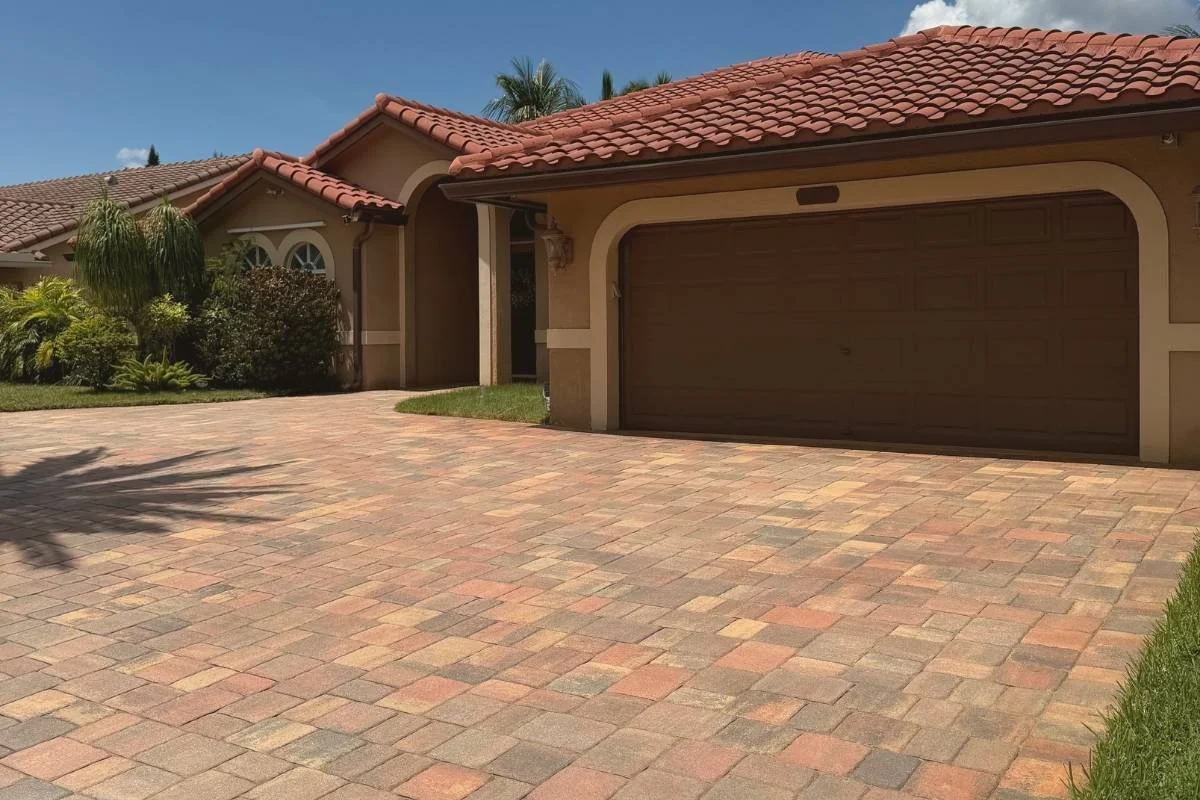
If paver joints are low, loose, or washed out, paver sealing before rain season may be considered after the surface is properly cleaned and evaluated.
If the surface is otherwise stable, cleaning and joint correction may be enough. If protection is also needed, sealing may become part of the conversation.
4. Stains Become More Visible After Rain
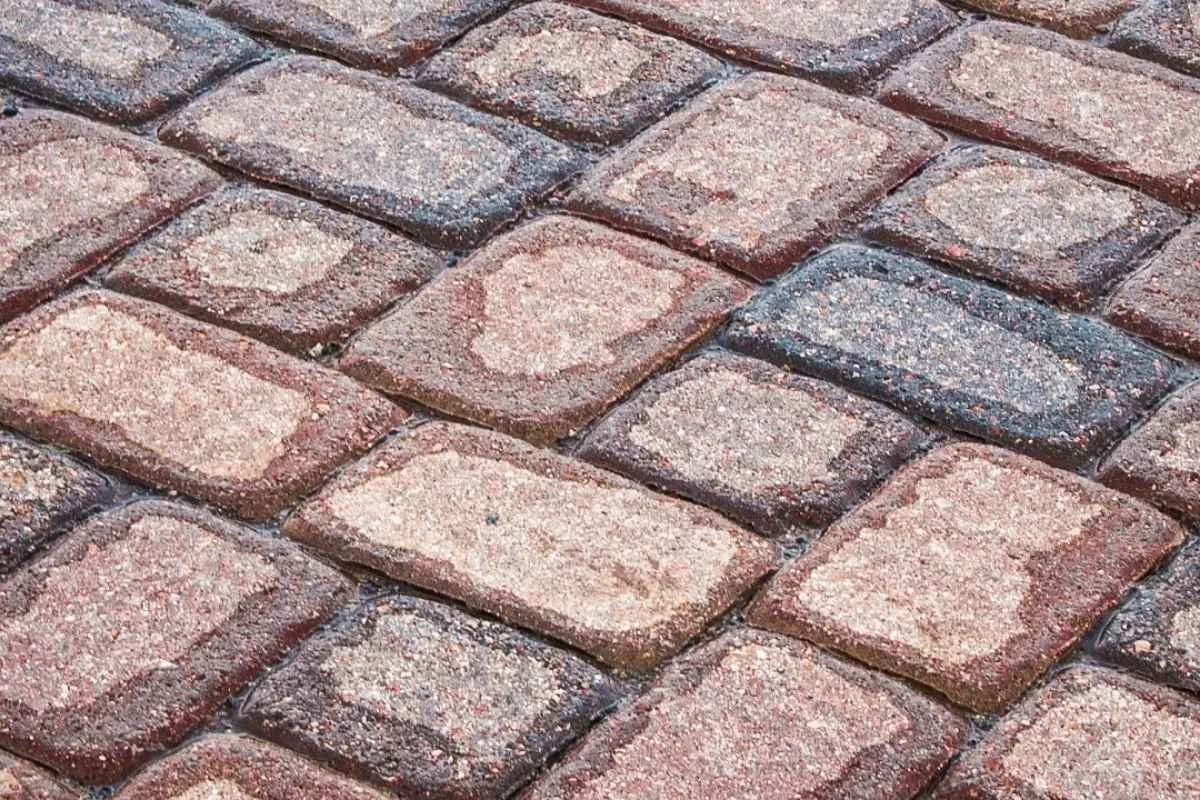
Some stains are more obvious when the surface is wet.
After rain, you may notice:
leaf marks
rust stains
fertilizer stains
soil runoff patterns
dark organic marks
mineral or white deposits
Rainwater often carries debris and contaminants across outdoor surfaces. When those materials settle into pores, joints, or textured areas, stains can become more visible over time.
This is especially common near landscaping, planters, drainage paths, gutters, and pool areas.
If stains keep reappearing after rain, the issue may not be only surface dirt. It may require targeted treatment before cleaning or sealing.
5. Dirt and Debris Collect in the Same Places
Rain patterns can reveal how water moves across a property.
If dirt, leaves, sand, or mulch consistently collect in the same area, that may indicate:
low spots
drainage paths
poor slope
blocked joints
areas where runoff carries material across the surface
These patterns matter because moisture and debris often work together.
Debris holds water longer. Water carries more debris. Over time, that cycle can create darker areas, organic buildup, and uneven surface appearance.
Cleaning these areas before rain season can help reduce buildup before it becomes more difficult to manage.
6. The Surface Looks Uneven Even When Clean
Sometimes the issue is not obvious dirt.
A surface may look uneven because of:
worn sealer
inconsistent absorption
older stains
previous over-application
hidden moisture
uneven preparation from past work
This is especially noticeable on pavers and sealed concrete.
If one section looks faded, cloudy, darker, glossier, or more worn than another, the surface may need more than a basic rinse.
Uneven appearance can indicate that the surface requires evaluation before any new protective treatment is applied.
7. Cleaning No Longer Lasts as Long
Another sign that a surface may not be ready for rain season is when cleaning results do not hold.
If buildup returns quickly after cleaning, the surface may be affected by:
constant shade
high moisture exposure
nearby landscaping
poor drainage
porous material
worn protection
This does not automatically mean sealing is needed.
But it does suggest the surface is interacting with moisture in a way that makes maintenance more frequent.
In these cases, the right next step depends on the surface condition, not on a fixed maintenance schedule.
When Exterior Surface Cleaning May Be Enough
Not every surface needs sealing before rain season.
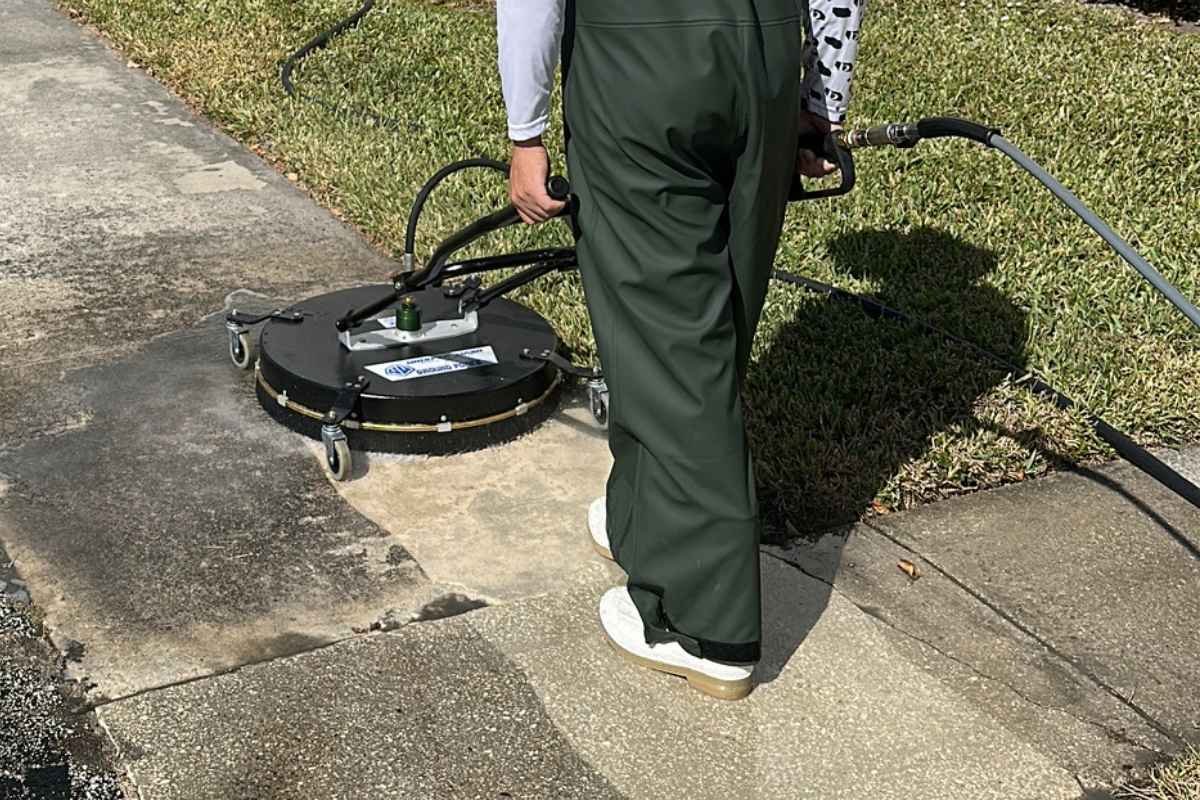
In many cases, professional exterior surface cleaning may be the appropriate first step.
Cleaning may be enough when:
buildup is mostly surface-level
joints are stable
there is no active sealer failure
stains are light or treatable
the surface dries normally after cleaning
A structured cleaning process can help remove organic buildup, debris, and moisture-retaining residue before rain becomes more frequent.
For driveways, walkways, patios, pool decks, and commercial common areas, exterior surface cleaning can help restore surface condition without assuming that sealing is automatically required.
When Surface Sealing Becomes Relevant
Sealing becomes part of the conversation when the surface needs more than cleaning.
This may be the case when:
paver joints need stabilization
concrete absorbs stains quickly
sealed areas show wear
moisture darkens the surface unevenly
cleaning results do not last
the surface needs added protection before heavy exposure
Surface sealing should never be treated as a quick coating over existing problems.
The surface must be clean, stable, and properly evaluated first.
This is especially important before rain season, when timing, moisture, and curing conditions all influence the final result.
Why Evaluation Matters Before Rain Season
Rain season creates pressure on outdoor surfaces.
But the right solution depends on what the surface is actually showing.
A dark area may need better cleaning.
A slippery walkway may need organic buildup removed.
A paver system with loose joints may need stabilization.
A worn sealed surface may need preparation before resealing.
The goal is not to apply the strongest treatment.
The goal is to choose the right one.
That is why surface care should begin with evaluation: understanding the material, condition, drainage, moisture exposure, and previous treatments before deciding what to do next.
Preventive Maintenance Checklist
Before rain season becomes more active, look for:
areas that stay wet longer than others
slippery walkways or pool decks
loose or missing joint sand
stains that appear darker after rain
debris collecting in repeated patterns
uneven color or finish
buildup returning quickly after cleaning
drainage areas that remain dirty or damp
These signs do not always mean there is a serious issue.
But they are useful indicators that the surface may need attention before moisture exposure increases.
FAQs
How do I know if my pavers are ready for rain season?
Look for joint stability, even drying, low organic buildup, and no major signs of staining or moisture retention. If paver joints are loose or some areas stay wet much longer than others, the surface may need evaluation.
Why do some areas stay dark after rain?
Dark areas often indicate moisture retention. This can be caused by shade, organic buildup, surface porosity, drainage patterns, or worn protection.
Does a slippery surface mean it needs sealing?
Not necessarily. Slipperiness is often caused by organic buildup or moisture-retaining residue. Cleaning may be the right first step. Sealing may only be considered after the surface is clean, stable, and properly evaluated.
Should outdoor surfaces be cleaned before rain season?
In many cases, yes. Cleaning helps remove buildup, debris, and residue that can hold moisture and become more visible during frequent rain.
When should sealing be considered before rain season?
Sealing may be considered when the surface needs added protection, joint stabilization, or improved resistance to staining and water absorption. The surface must be properly prepared and dry enough for the sealer to perform correctly.
The Bottom Line
Rain season does not affect every outdoor surface the same way.
Some surfaces simply need routine cleaning. Others show signs that moisture, buildup, drainage, or worn protection are starting to affect long-term performance.
The earlier those signs are recognized, the easier it is to choose the right response.
In South Florida, preparing for rain season is not only about storms. It is about understanding how your surfaces behave before they are tested by repeated moisture.
Let your surface speak.