Do Your Pavers Need Cleaning or Sealing? What to Know During Rain Season
Rain season changes how paver surfaces behave.
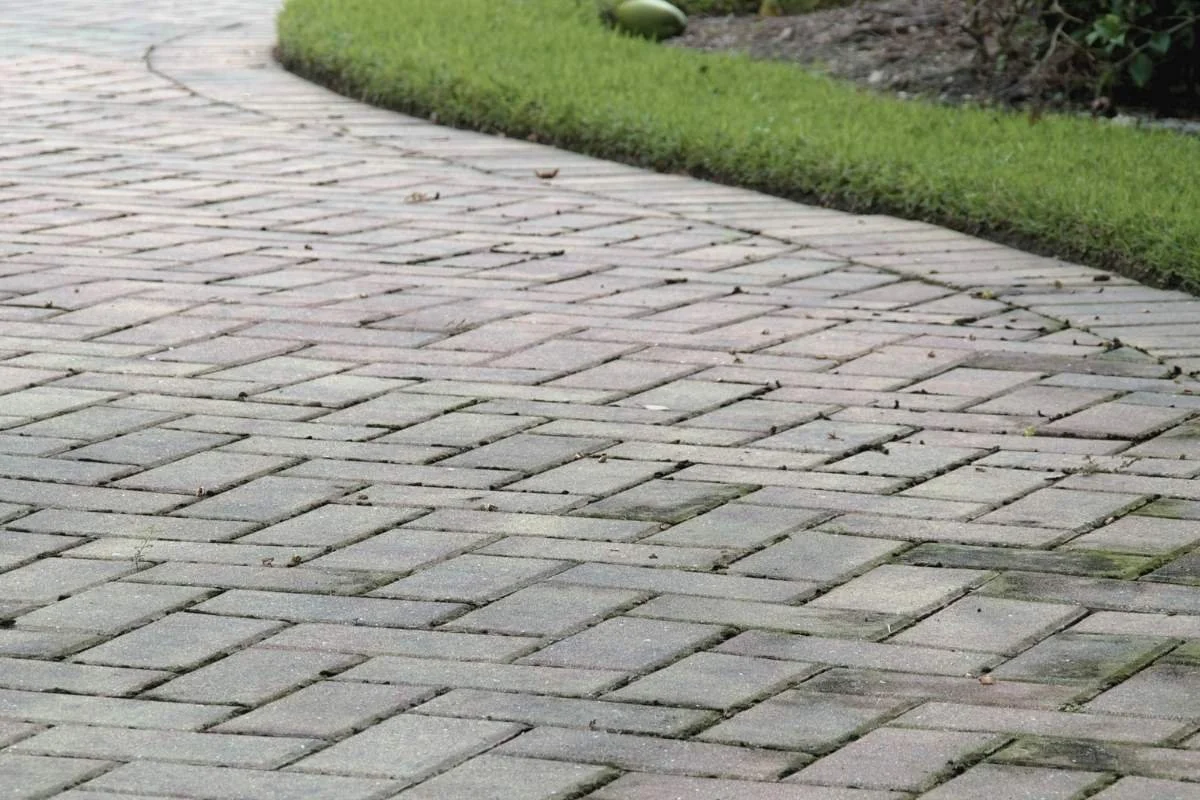
In South Florida, brick and concrete pavers may look mostly fine during dry weather. But after repeated rain, certain issues become easier to notice: darker areas, loose joint sand, organic buildup, stains, or sections that stay damp longer than the rest of the surface.
For many homeowners, this raises a practical question:
Do the pavers need cleaning, sealing, or something else?
The answer depends on what the surface is showing.
Cleaning and sealing are related, but they are not interchangeable. Cleaning removes buildup and helps reveal the true condition of the surface. Sealing protects and stabilizes the paver system only after the surface is clean, prepared, and ready.
During rain season, that distinction matters even more because moisture, timing, and surface condition all influence the final result.
Not sure what your pavers need?
Start with the condition of the surface. Cleaning may be enough when the issue is buildup. Sealing may be relevant when joints, moisture, stains, or worn protection are involved.
Why Rain Season Makes Paver Issues Easier to See
Rain does not always create paver problems from nothing.
More often, it reveals what was already developing.
After several days of rain, homeowners may notice:
paver joints looking low or uneven
sand washing toward drains or edges
dark areas that stay wet longer
algae or organic buildup becoming more visible
stains appearing stronger when the surface is wet
debris collecting in the same areas
old sealer looking cloudy, patchy, or worn
These signs do not always mean the pavers need to be sealed immediately.
But they do suggest that the surface should be evaluated before choosing the next step.
In Broward County, this is especially relevant for paver driveways, patios, walkways, pool decks, and entry areas exposed to frequent rain, humidity, shade, and daily use.
When Paver Cleaning May Be Enough
In some cases, pavers do not need sealing right away.
They may simply need proper cleaning.
Paver cleaning may be enough when the main issue is:
surface dirt
algae or organic buildup
light stains
debris in textured areas
discoloration caused by moisture-retaining residue
general dullness after rain
Cleaning can help remove the buildup that makes pavers look darker, greener, or uneven after repeated moisture.
It can also reveal whether the issue is only on the surface or whether something deeper is happening with the joints, previous sealer, or surface absorption.
This is important because sealing over dirty, stained, damp, or unstable pavers can create more problems instead of solving them.
For some properties, exterior surface cleaning is the right first step because it restores visibility and allows the condition of the pavers to be assessed more accurately.
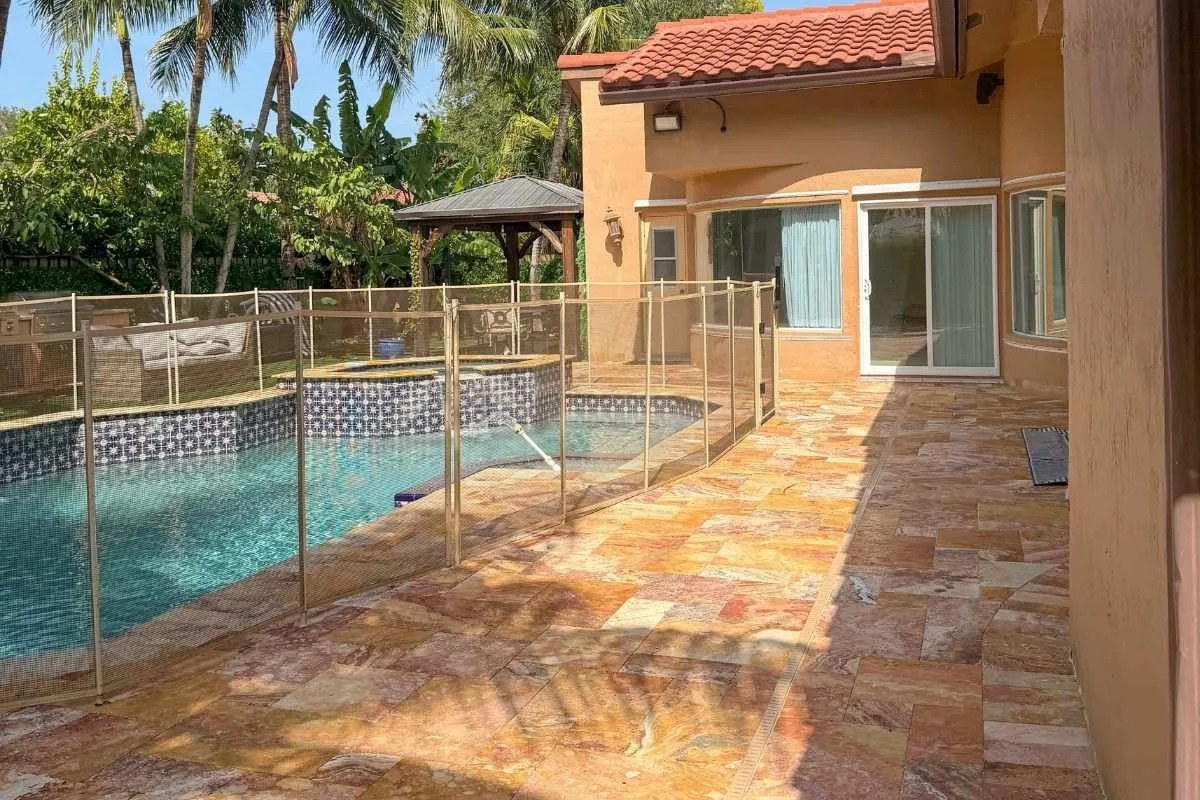
If your patio or poolside surface is showing algae, mildew, slippery buildup, or moisture-related staining, professional patio cleaning can help restore a cleaner outdoor living space.
If the issue appears to be surface-level buildup, cleaning may be the right first step before considering any protective treatment.
When Paver Sealing Becomes Relevant
Paver sealing becomes relevant when the surface needs more than cleaning.
This may be the case when:
joint sand is low, loose, or washing out
the pavers absorb moisture quickly
stains return soon after cleaning
color has faded significantly
the surface needs added protection
the homeowner wants a matte, natural, satin, or wet look finish
previous sealer has worn unevenly
the paver system needs better stabilization
A professional paver sealing process is not just product application.
It may involve surface evaluation, controlled cleaning, stain treatment, efflorescence treatment, joint sand correction, drying time, finish selection, and controlled application.
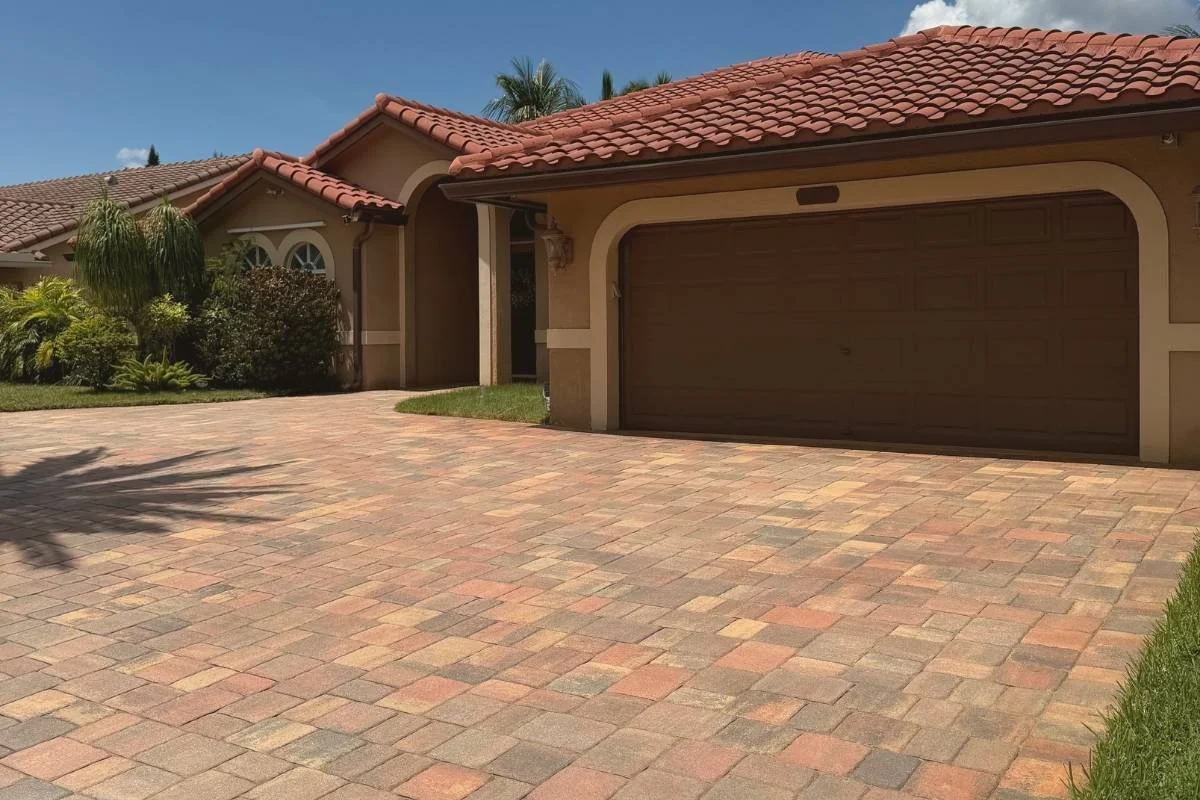
For a real example of how this process can look in practice, see this real paver cleaning and sealing project in Coral Springs, where a driveway and side walkway were cleaned, resanded, allowed to dry, and sealed as part of a complete paver restoration process.
That is why sealing should be treated as a surface system, not as a quick coating.
During rain season, this becomes even more important because moisture conditions can affect preparation, adhesion, curing, and final appearance.
If your pavers show loose joints, recurring stains, fading, or moisture absorption, a paver sealing evaluation can help determine the right preparation and finish.
What Joint Sand Can Tell You
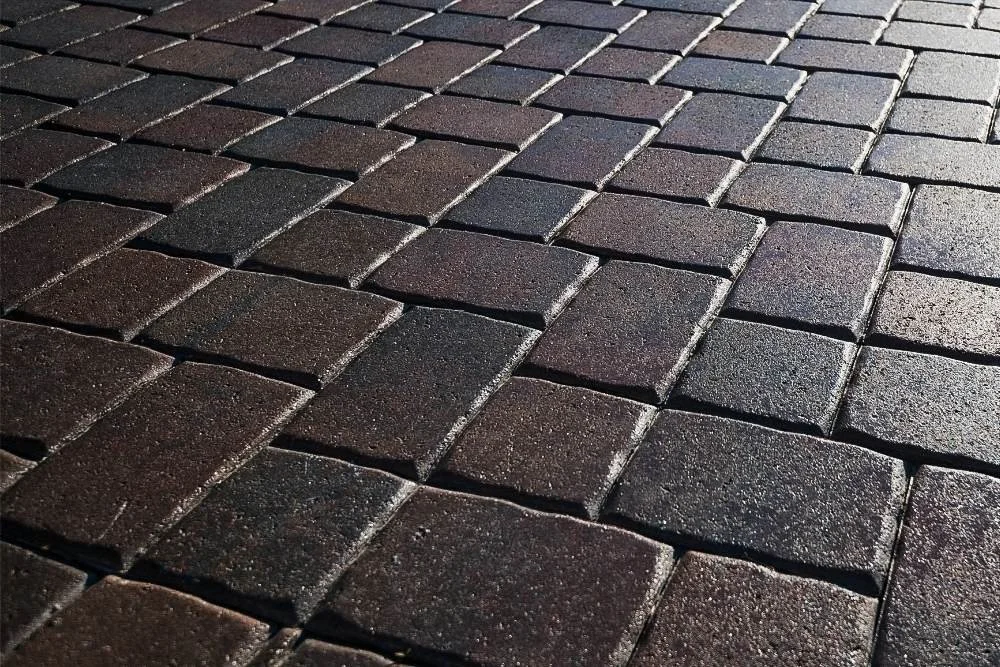
The condition of the joints is one of the clearest signs of what your pavers may need.
Paver joints help stabilize the system. When joint sand becomes low, loose, or uneven, water can move through the surface differently.
Signs to watch for include:
visible gaps between pavers
sand collecting along edges
weeds growing in joints
ants or insects disturbing sand
pavers feeling less stable in some areas
sand washing toward drains or low spots after rain
If the joints are stable and the main issue is buildup, cleaning may be enough.
If the joints are low or washing out, the surface may need re-sanding and sealing after proper cleaning and evaluation.
The goal is not simply to make the pavers look better. The goal is to understand whether the paver system is stable enough to perform through repeated rain.
Why Sealing Should Not Be Rushed During Rain Season
Rain season does not mean paver sealing is impossible.
But it does mean timing matters.
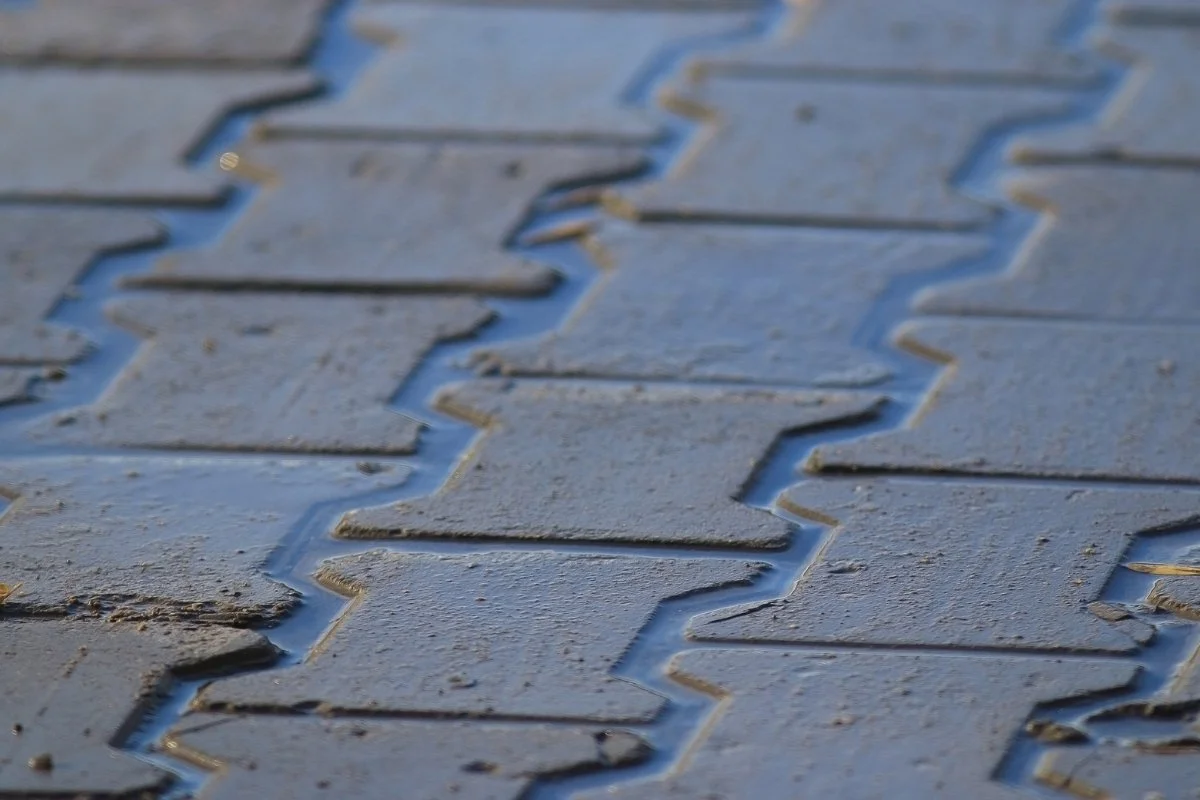
Pavers should not be sealed when the surface is too wet, when moisture is trapped, or when weather conditions do not allow the sealer to perform correctly.
Rushing the process can lead to:
uneven appearance
cloudy or milky finish
poor adhesion
trapped moisture
inconsistent sheen
shorter sealer lifespan
This is why evaluation matters before sealing.
Sometimes the right recommendation is to clean first and wait for a better sealing window. Other times, the surface may be ready for sealing once conditions allow proper preparation and drying.
A surface-specific approach protects the final result.
Cleaning First, Sealing Only When the Surface Is Ready
For pavers, cleaning is often the first step because it shows what is really happening.
After cleaning, it becomes easier to identify:
hidden stains
efflorescence
old sealer issues
joint sand loss
uneven absorption
surface wear
areas that need additional treatment
This does not mean every cleaned paver surface should be sealed.
It means cleaning creates the right conditions for making a better decision.
Surface sealing is most effective when the surface is clean, stable, properly prepared, and compatible with the product and finish being used.
How to Decide What Your Pavers Need
A simple way to think about it:
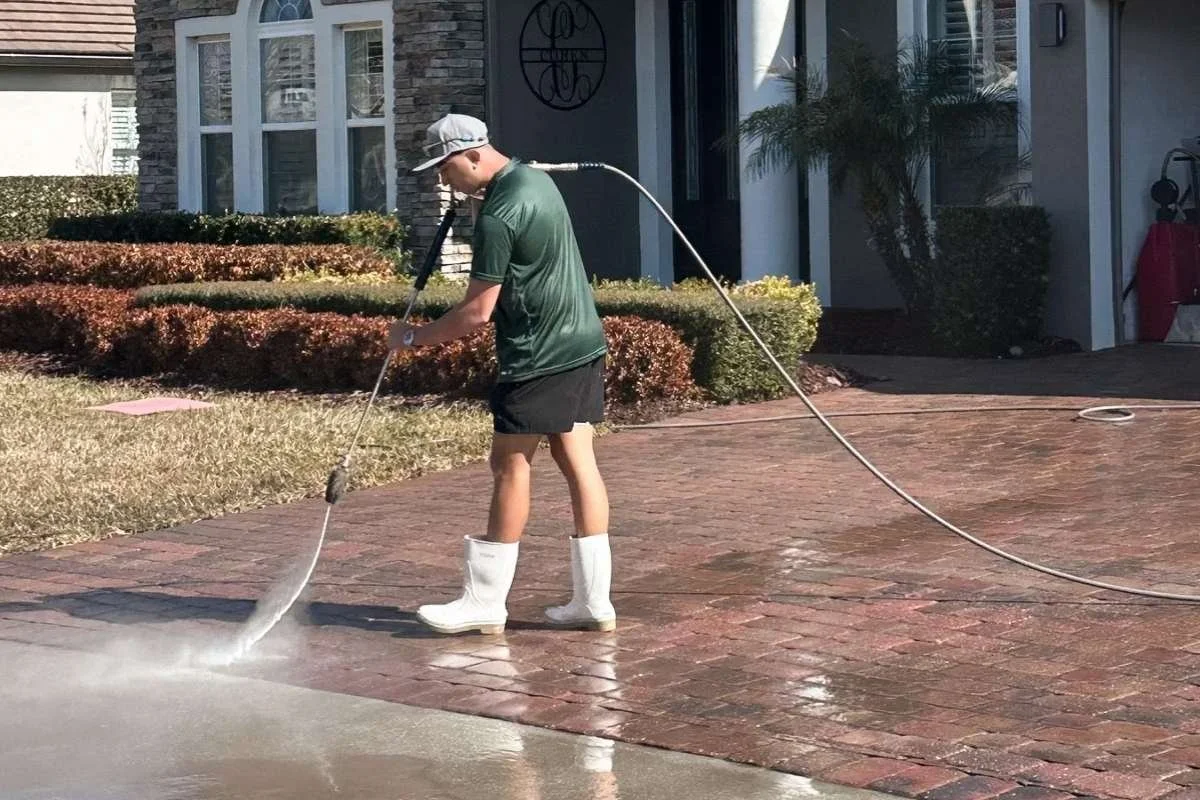
If the issue is mainly dirt, algae, or surface buildup, paver cleaning may be enough.
If the issue involves loose joint sand, fading, recurring stains, or moisture absorption, paver sealing may be worth evaluating.
If the surface has old sealer, white haze, peeling, or uneven gloss, additional preparation may be needed before any new sealer is applied.
If the property includes multiple paver areas — such as a driveway, walkway, patio, and pool deck — the best approach may be a coordinated cleaning and sealing plan rather than treating each area separately.
The right answer depends on the material, condition, exposure, and goal.
A Quick Paver Surface Checklist During Rain Season
After several days of rain, look for:
Do some areas stay dark longer than others?
Are joints low, loose, or washing out?
Does organic buildup return quickly?
Are stains becoming more visible when wet?
Is sand or debris collecting in the same spots?
Does the surface look faded or uneven?
Is there old sealer that looks cloudy or patchy?
Does the surface still look dirty after rinsing?
If most issues are surface-level, cleaning may be the right next step.
If the paver system is showing signs of instability, recurring staining, moisture absorption, or worn protection, sealing may need to be evaluated.
Choose the right next step for your surface
If your pavers are mainly dirty, stained, or showing organic buildup, exterior surface cleaning may be the right place to start.
If your paver joints are loose, fading is visible, or stains keep returning, paver sealing may need to be evaluated.
FAQs
Do my pavers need cleaning or sealing?
It depends on the condition of the surface. If the main issue is dirt, algae, or surface buildup, cleaning may be enough. If the pavers have loose joint sand, fading, recurring stains, or moisture absorption, sealing may be worth evaluating.
Should pavers be cleaned before sealing?
Yes. Pavers should be properly cleaned and prepared before sealing. Sealing over dirt, stains, moisture, or unstable joints can affect the final appearance and performance.
Can pavers be sealed during rain season?
Yes, but only when conditions allow proper preparation, drying, application, and curing. Rain season does not make sealing impossible, but timing and moisture control become more important.
What if my joint sand is washing out?
Joint sand loss may indicate that the paver system needs attention. Cleaning alone may not be enough if joints are low, loose, or unstable. Re-sanding and sealing may be considered after evaluation.
Is paver sealing worth it in South Florida?
For many properties, yes. South Florida pavers are exposed to sun, humidity, rain, organic buildup, and daily use. Sealing can help protect the surface, stabilize joints, and improve long-term appearance when the surface is properly prepared.
Does sealing make pavers slippery?
Not necessarily. Slip resistance depends on the surface texture, product, finish, and application method. This is why finish selection should be based on the specific surface and how the area is used.
The Bottom Line
Rain season does not mean every paver surface needs to be sealed immediately.
It means the surface has a chance to show what is really happening.
Some pavers only need cleaning. Others may need joint correction, treatment, or sealing when conditions allow. And some surfaces need evaluation before any decision is made.
The goal is not to choose between cleaning and sealing as if they were interchangeable.
The goal is to understand what the paver system requires — and choose the right process from there.
Need help deciding what your pavers need?
A surface evaluation can help determine whether cleaning, joint correction, sealing, or additional preparation is the right next step.