Hot Water vs Cold Water Pressure Washing: What Commercial Properties Need to Know
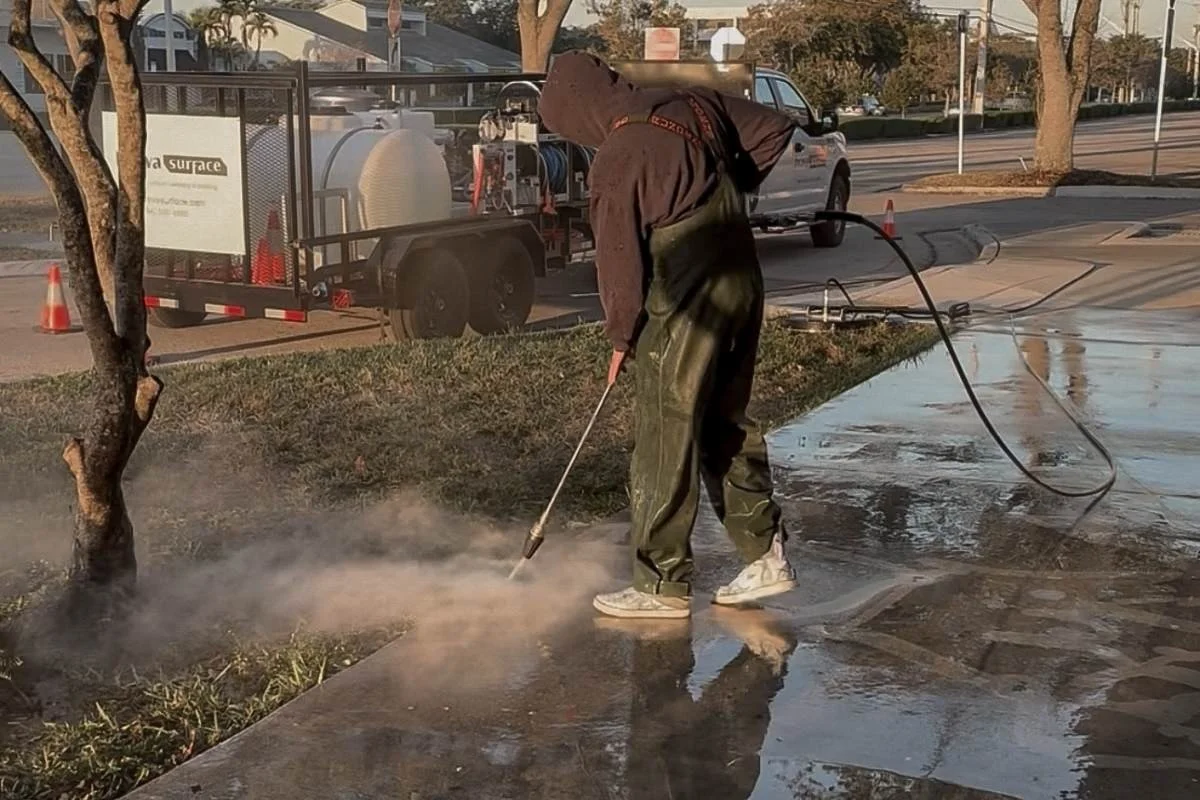
Commercial exterior cleaning is not only about using more pressure.
Different surfaces, residues, and property areas respond differently depending on what is being cleaned, where the buildup is located, and how often the area is used.
For commercial properties in Broward County, this becomes especially important in high-traffic exterior areas: sidewalks, walkways, dumpster pads, loading areas, service corridors, parking zones, restaurant back-of-house areas, and common spaces.
One common question is whether hot water pressure washing is necessary — or whether cold water cleaning is enough.
The answer depends on the surface condition and the type of buildup present.
Hot water is not always required. Cold water can be effective in many routine cleaning situations. But when grease, oil, food residue, sticky buildup, or odor-prone material is involved, hot water may become part of a more effective commercial cleaning process.
Not sure what your commercial surfaces need?
Some areas may only need routine exterior cleaning. Others may require hot water, degreasing, or a more targeted cleaning process.
Why the Cleaning Method Matters for Commercial Properties
Commercial properties are used differently from residential spaces.
The same exterior area may be exposed to foot traffic, vehicle movement, food waste, trash handling, grease, irrigation, rain, shade, and daily wear.
That means the cleaning process has to match the area.
A storefront walkway does not usually need the same approach as a dumpster pad. A shaded sidewalk does not behave the same way as a grease-exposed service zone. A parking area with oil residue may need a different process than a common walkway with organic buildup.
In property management, the goal is not only to make a surface look cleaner.
The goal is to choose a method that supports appearance, access, hygiene, safety, and long-term maintenance.
What Cold Water Pressure Washing Can Handle
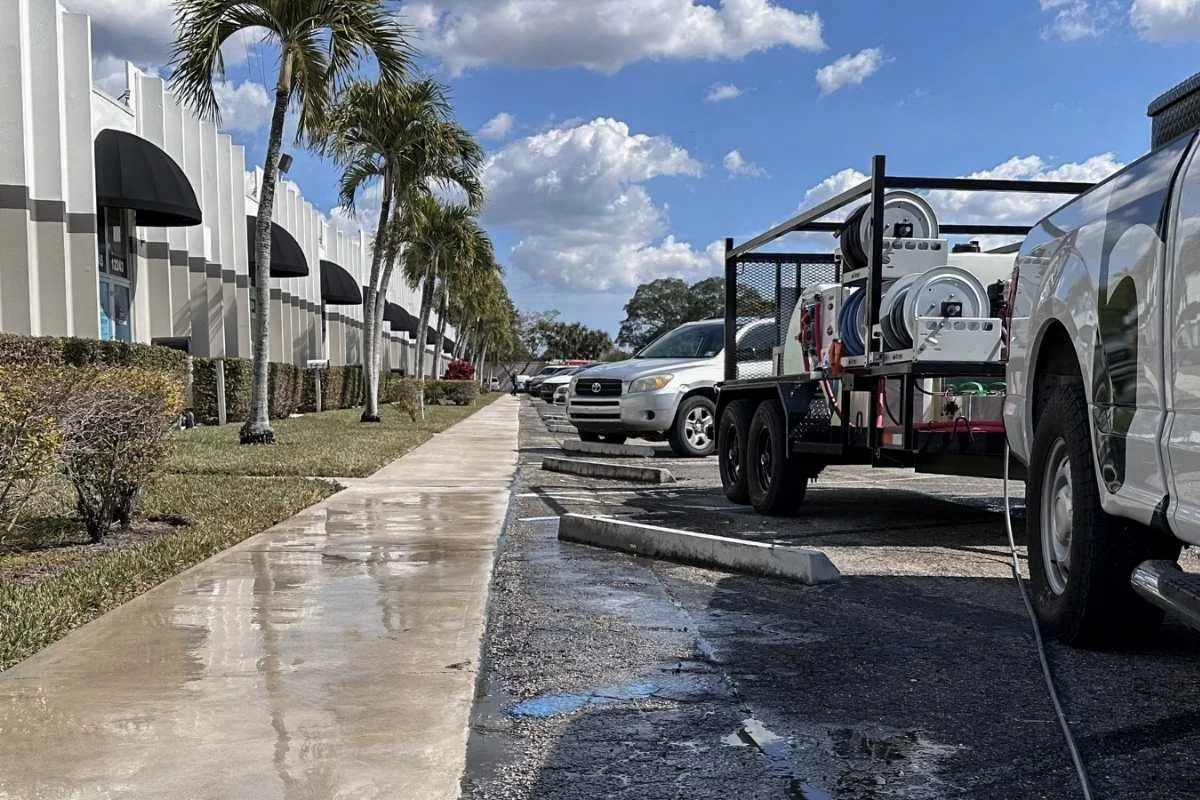
Cold water pressure washing can be effective for many routine exterior cleaning needs.
It may be appropriate for:
dirt and dust buildup
light organic growth
surface-level grime
pollen and environmental residue
some walkway and sidewalk buildup
general exterior maintenance
areas without grease or heavy oil residue
For many commercial properties, cold water cleaning may be enough when the surface issue is primarily loose debris or surface-level buildup.
Cold water can also be useful as part of recurring maintenance for walkways, entry areas, common paths, and other exterior surfaces that need regular cleaning before buildup becomes heavy.
But cold water has limitations.
When the issue involves grease, oil, food residue, sticky material, or odor-prone buildup, water pressure alone may not fully address what is bonded to the surface.
When Hot Water Pressure Washing Becomes Relevant
Hot water pressure washing becomes more relevant when the surface is holding residue that does not respond well to pressure alone.
This may include:
grease
oil
food residue
sticky buildup
dumpster pad residue
loading area residue
restaurant service area buildup
commercial concrete exposed to spills or waste handling
Heat can help loosen certain residues so they can be cleaned more effectively as part of the right process.
This does not mean hot water is always the answer.
It means hot water may be appropriate when the type of buildup requires more than cold water and pressure.
For commercial exterior cleaning, the decision should be based on the surface, the residue, the frequency of maintenance, and how the area is used.
Why Grease and Food Residue Behave Differently
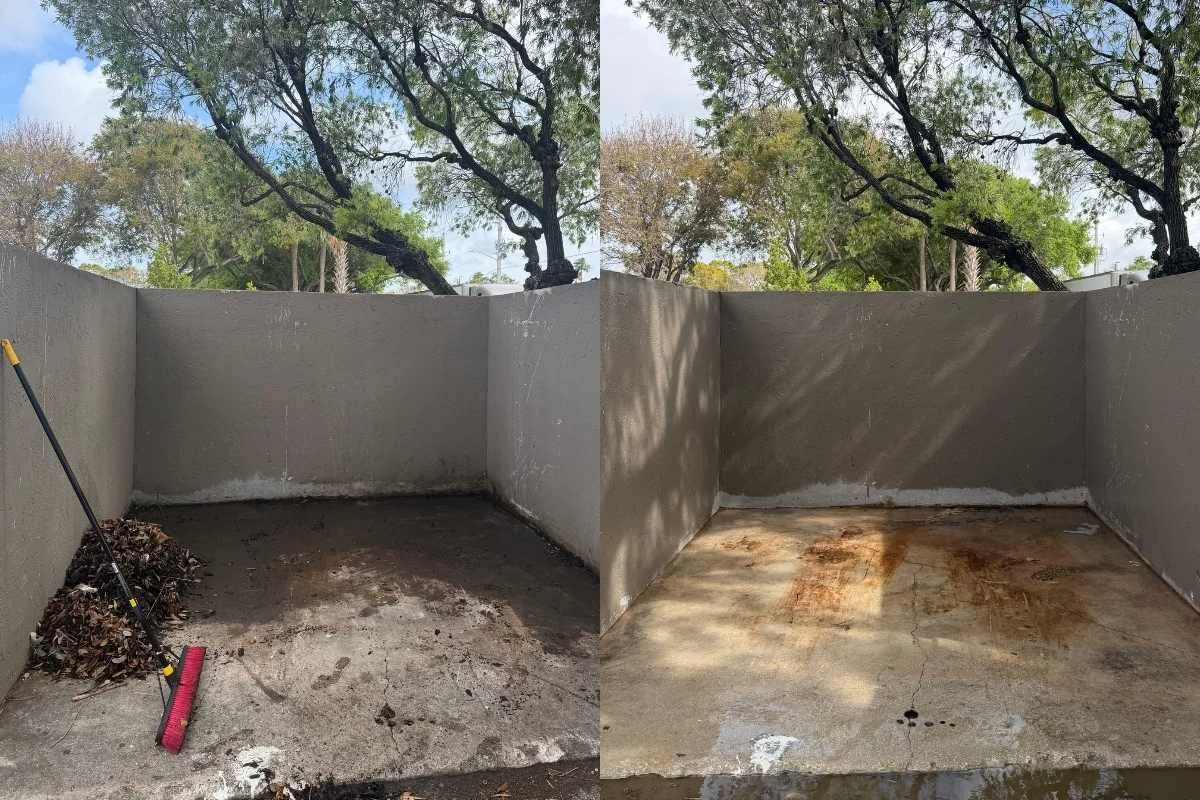
Grease and food residue do not behave like ordinary dirt.
They can bond to concrete, collect in textured areas, mix with organic material, and become more difficult to clean over time.
This is especially common in areas such as:
dumpster pads
restaurant back-of-house areas
food service zones
loading areas
waste collection points
service corridors
commercial concrete near trash handling areas
In these spaces, the issue is not only appearance.
Grease and food residue can contribute to odor, attract pests, create slippery conditions, and make the area feel poorly maintained.
Cold water may remove loose surface material, but it may not be enough for residue that needs heat, dwell time, degreasing, or a more targeted cleaning process.
Dealing with grease, food residue, or odor-prone areas?
Dumpster pads, restaurant service areas, and waste zones often need more than basic pressure washing.
Why Pressure Alone Is Not Always Enough
Pressure is only one part of commercial exterior cleaning.
More pressure does not automatically mean a better result.
In some cases, too much pressure can create uneven cleaning, damage sensitive surfaces, push residue into surrounding areas, or fail to address the actual source of the buildup.
A more effective process may involve:
surface inspection
pre-treatment
degreasing when appropriate
hot water when needed
controlled pressure
proper dwell time
rinse control
post-cleaning review
maintenance planning
The goal is not to blast the surface harder.
The goal is to match the process to the condition of the surface.
Dumpster Pads and Service Areas Require a Different Approach
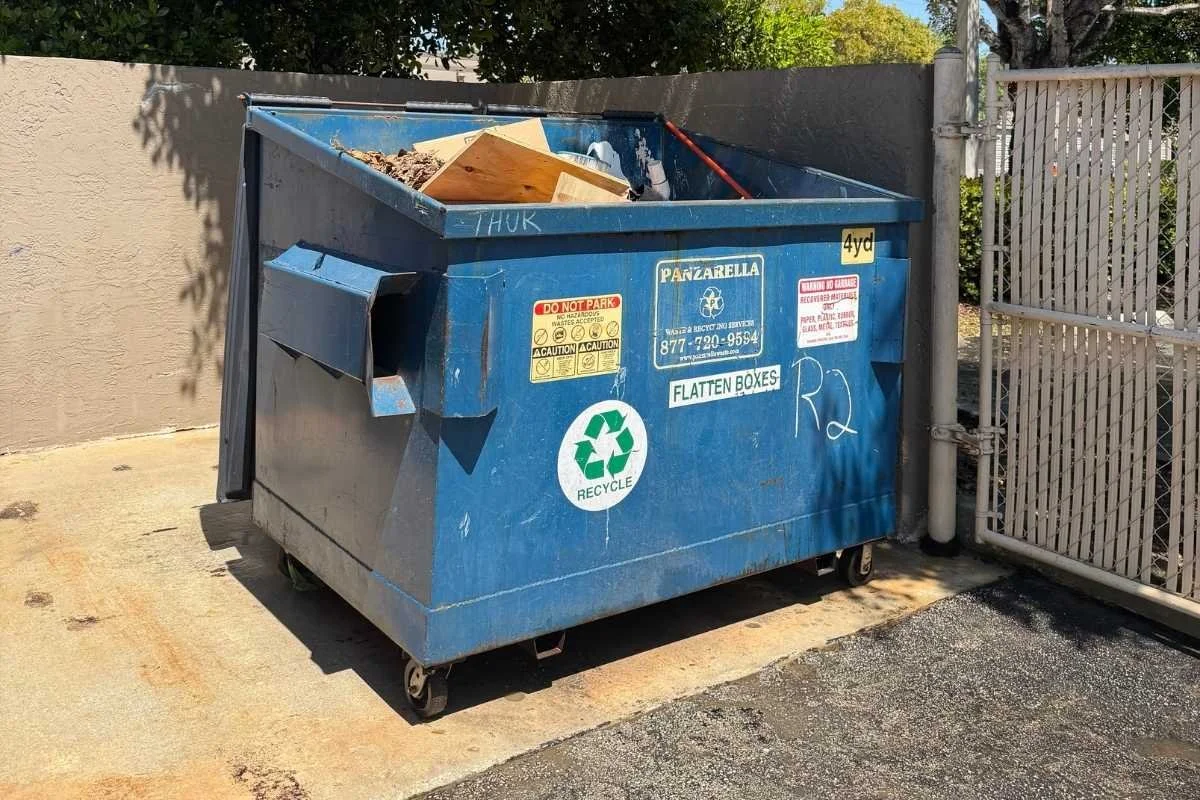
Dumpster pads are one of the clearest examples of why cleaning method matters.
These areas often collect:
leaking trash residue
grease
food waste
liquids from bags
odor-causing buildup
organic material
tire marks from waste service vehicles
runoff from nearby service zones
Because of this, dumpster pad cleaning often requires a more targeted process than routine sidewalk cleaning.
Depending on the condition, the cleaning may need hot water, degreasing, surface agitation, rinse control, or recurring maintenance.
For property managers, restaurants, retail centers, office parks, multifamily properties, and managed communities, dumpster pads are not just back-of-house spaces.
They are part of the maintenance system of the property.
If the area is visible, odor-prone, slippery, or difficult to keep clean, it may need a dedicated cleaning schedule rather than occasional spot cleaning.
When Cold Water May Be Enough
Cold water cleaning may be enough when the area has:
light dirt
loose debris
moderate organic buildup
regular maintenance
no grease exposure
no oil residue
no food waste
no odor-prone buildup
Examples may include certain sidewalks, walkways, entry areas, exterior walls, or common areas where buildup is mostly environmental.
In these cases, a controlled cold water cleaning process may restore appearance and reduce surface buildup without requiring heat.
The key is not assuming every commercial surface needs the same method.
When Hot Water Should Be Considered
Hot water should be considered when the surface has:
grease
oil
food residue
sticky buildup
repeated stains
waste-related residue
odor-prone conditions
heavy commercial use
This is especially relevant for:
dumpster pads
restaurant service areas
loading zones
commercial concrete
high-use waste areas
grease-exposed walkways
service corridors
Hot water may also be helpful when cold water cleaning has not been enough to improve the condition of the surface.
In these cases, the next step is not simply more pressure. It is a better cleaning method.
What Property Managers Should Consider
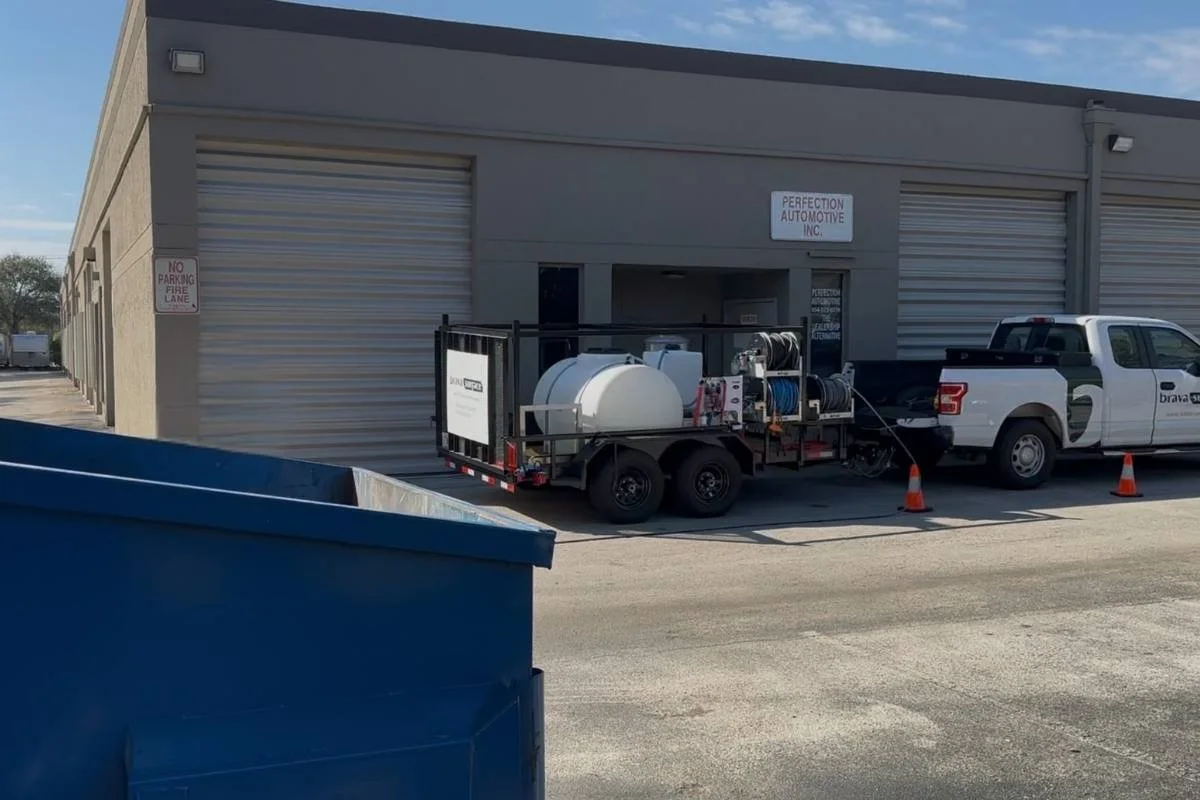
For property managers, the question is rarely only:
Can this area be cleaned?
The better questions are:
What type of residue is present?
How often is the area used?
Is the surface exposed to grease, oil, or food waste?
Does the area affect tenant experience?
Is it part of a common area, service area, or high-traffic zone?
Does the issue return quickly after cleaning?
Should this be handled once or maintained on a recurring schedule?
The right cleaning approach depends on the role the surface plays in the property.
For managed properties in Broward County, commercial exterior cleaning should support daily use, access, appearance, and operational maintenance — not just one-time visual improvement.
Need the right cleaning approach for a managed property?
A commercial surface evaluation can help determine whether cold water cleaning, hot water cleaning, degreasing, or recurring maintenance is the right next step.
How Often Should Commercial Areas Be Cleaned?
There is no single schedule that applies to every commercial property.
Cleaning frequency depends on:
foot traffic
tenant use
restaurant or food service activity
trash volume
shade and moisture exposure
rain and runoff
type of surface
visibility of the area
safety concerns
property standards
A storefront walkway may need periodic maintenance.
A dumpster pad behind a restaurant may need a more frequent schedule.
A managed community may need recurring cleaning across sidewalks, entry areas, pool areas, and shared spaces.
The right schedule should reflect how the area is used and how quickly buildup returns.
Choosing the Right Method
A simple way to think about it:
If the issue is light dirt, dust, or environmental buildup, cold water cleaning may be enough.
If the issue involves grease, oil, food residue, sticky buildup, or dumpster pad residue, hot water may need to be considered.
If buildup returns quickly, the property may need recurring commercial cleaning rather than one-time service.
If the area is part of a managed property, the cleaning plan should fit the operational needs of the property.
The goal is not to choose hot water or cold water as a fixed rule.
The goal is to choose the method that matches the surface, residue, and maintenance objective.
FAQs
Is hot water pressure washing better than cold water?
Not always. Hot water can be more effective for grease, oil, food residue, and sticky buildup, but cold water may be enough for routine dirt, dust, and light organic buildup.
When do commercial properties need hot water pressure washing?
Hot water may be needed when commercial surfaces have grease, oil, food residue, dumpster pad residue, odor-prone buildup, or heavy commercial use.
Is cold water pressure washing enough for sidewalks?
In many cases, yes. Cold water cleaning may be enough for sidewalks and walkways with surface dirt, dust, or light organic buildup. If the area has grease, oil, or recurring residue, a different process may be needed.
Why do dumpster pads need a different cleaning process?
Dumpster pads often collect grease, food waste, leaking trash residue, liquids, and odor-causing buildup. These conditions may require degreasing, hot water, rinse control, or recurring cleaning.
Can hot water remove grease from concrete?
Hot water can help loosen grease and oily residue as part of a proper cleaning process. Depending on the condition, degreasing, dwell time, and controlled pressure may also be needed.
How often should commercial properties schedule exterior cleaning?
It depends on traffic, use, exposure, and property standards. High-use areas such as dumpster pads, restaurant service zones, sidewalks, and common areas may need recurring maintenance.
What is the best pressure washing method for commercial properties?
The best method depends on the surface and the type of buildup. Some areas may need cold water cleaning, while others may require hot water, degreasing, or a surface-specific cleaning process.
The Bottom Line
Hot water and cold water pressure washing are not interchangeable in every commercial setting.
Cold water can be effective for routine exterior maintenance, surface dirt, and light buildup.
Hot water becomes more relevant when grease, oil, food residue, sticky material, or dumpster pad residue is involved.
For commercial properties, the right cleaning method depends on the surface, the type of residue, how the area is used, and how quickly buildup returns.
The goal is not to use the strongest method every time.
The goal is to use the right process for the property.
Need help deciding what your commercial surfaces need?
A commercial cleaning evaluation can help determine whether your property needs cold water cleaning, hot water cleaning, degreasing, dumpster pad cleaning, or recurring exterior maintenance.