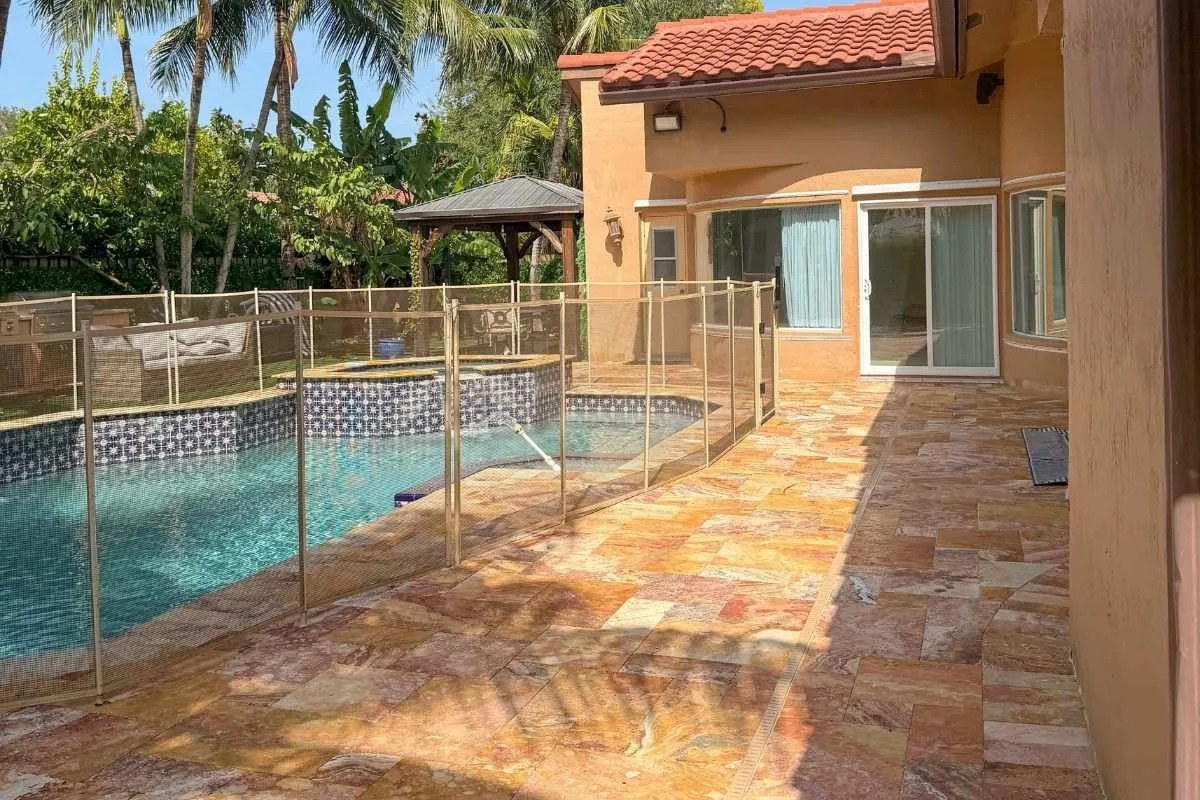
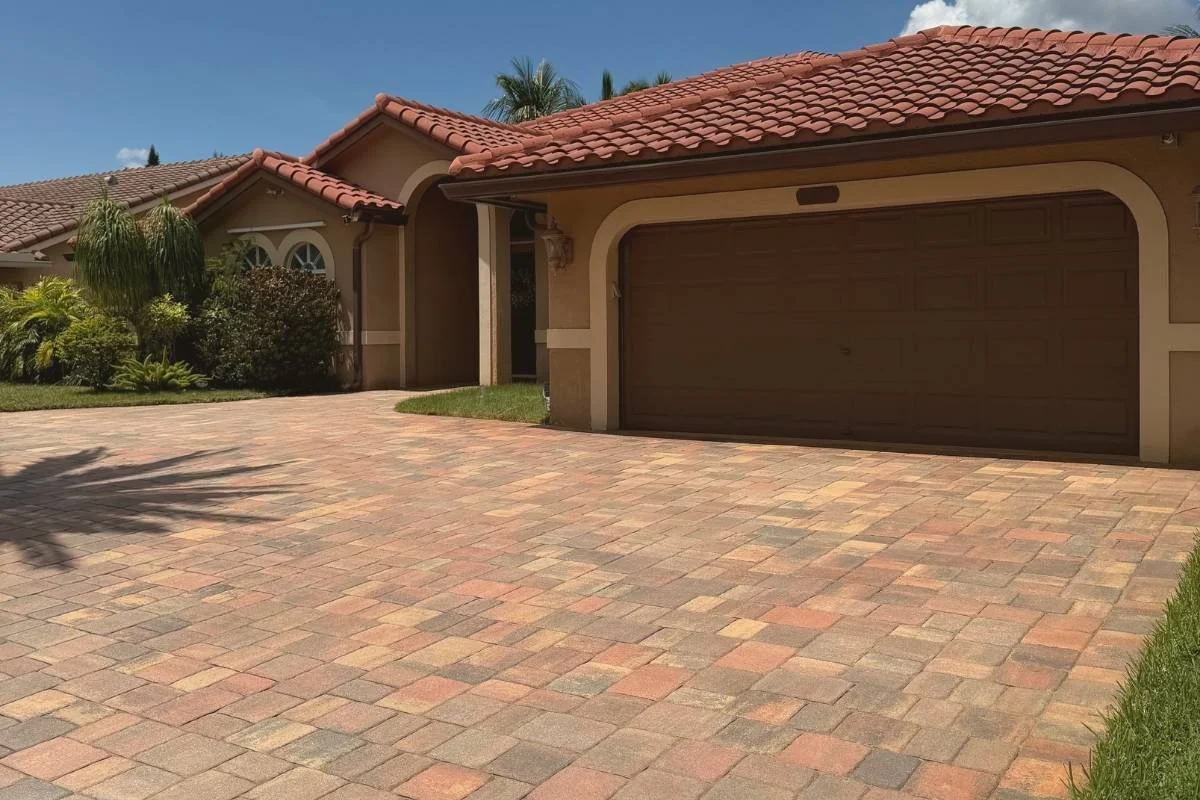
How Often Should You Seal Pavers in South Florida?
In Coral Springs and across Broward County, climate plays a major role in how long paver sealing lasts. Here’s what homeowners and property managers should know.
• Most pavers in South Florida need resealing every 2–3 years.
• Sun exposure, moisture, and traffic affect lifespan.
• Sealing too early — or too late — creates problems.
• Proper preparation matters more than frequency
Why Frequency Matters in South Florida
South Florida isn’t a mild environment. Between constant UV exposure, heavy seasonal rains, irrigation systems, and humidity, exterior surfaces are under pressure year-round.
In Coral Springs neighborhoods and throughout Broward County, pavers experience:
Intense sun bleaching
Daily moisture cycles
Organic growth in shaded areas
Joint sand erosion from storms
Because pavers are porous, they expand and contract with moisture and temperature changes. Without protection, fading, efflorescence, and staining accelerate.
Sealing isn’t about shine — it’s about controlled protection.
The General Rule: Every 2–3 Years
For most residential driveways, patios, and pool decks in South Florida:
Resealing every 2–3 years is typical.
But this is not a fixed rule.
Frequency depends on:
Type of sealer used (penetrating vs film-forming)
Level of sun exposure
Traffic load
Quality of original surface preparation
Drainage and irrigation patterns
Commercial properties may require more frequent evaluation due to heavier foot traffic and equipment movement.
Signs Your Pavers May Need Resealing
Instead of following a calendar blindly, look for these indicators:
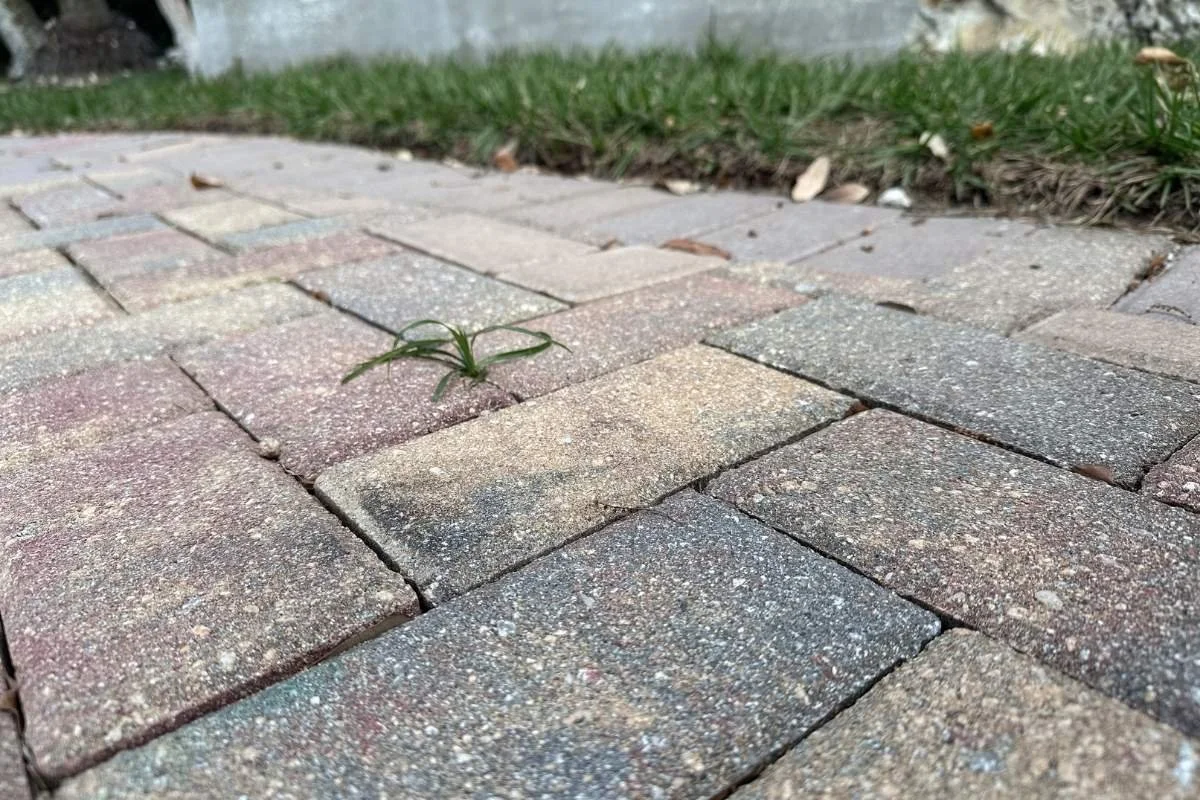
Color appears faded or chalky
Water absorbs quickly instead of beading
Joint sand is loosening
Stains set in more easily
Efflorescence becomes more visible
If water no longer beads on the surface, protection may be diminishing.
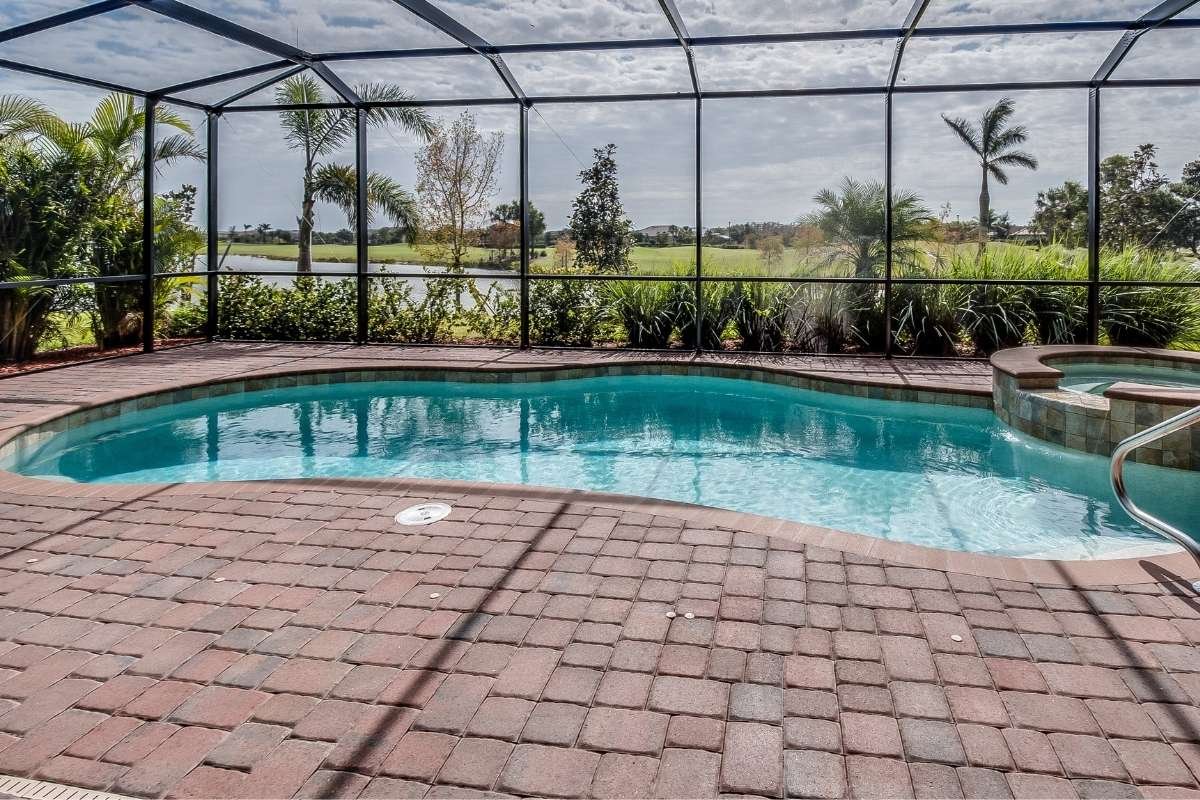
A recent paver cleaning, resanding, and sealing project in Coral Springs shows how these signs can lead to a broader preparation process, including deep cleaning, joint sand replacement, drying time, and sealing.
Resealing is not always just about applying another coat. In many cases, the surface needs to be evaluated first to determine whether cleaning, resanding, stain attention, or additional preparation is needed before sealing.
What Happens If You Seal Too Often?
Sealing too frequently can be just as problematic as waiting too long.
Over-application may cause:
Milky or cloudy finish
Reduced breathability
Peeling in high-moisture conditions
Trapped mineral deposits beneath the coating
In South Florida’s humid climate, breathability matters. A surface must be able to release vapor — not trap it.
Proper timing is about condition, not schedule..
What Happens If You Wait Too Long?
Delaying resealing can lead to:
Accelerated fading
Joint instability
Increased staining
Surface wear
Greater preparation cost later
When pavers are left unprotected for extended periods, restoration becomes more labor-intensive.
Preventive maintenance is always more efficient than corrective work.
Climate-Specific Considerations for Coral Springs and Broward County
Being based in Coral Springs and serving all of Broward County, we see patterns unique to this region:
Homes with southern exposure fade faster
Properties near landscaping irrigation show more mineral movement
Pool decks experience heavier chemical and moisture cycles
Commercial sidewalks wear down faster under constant use
There is no universal timeline — only proper evaluation.
The Role of Proper Preparation
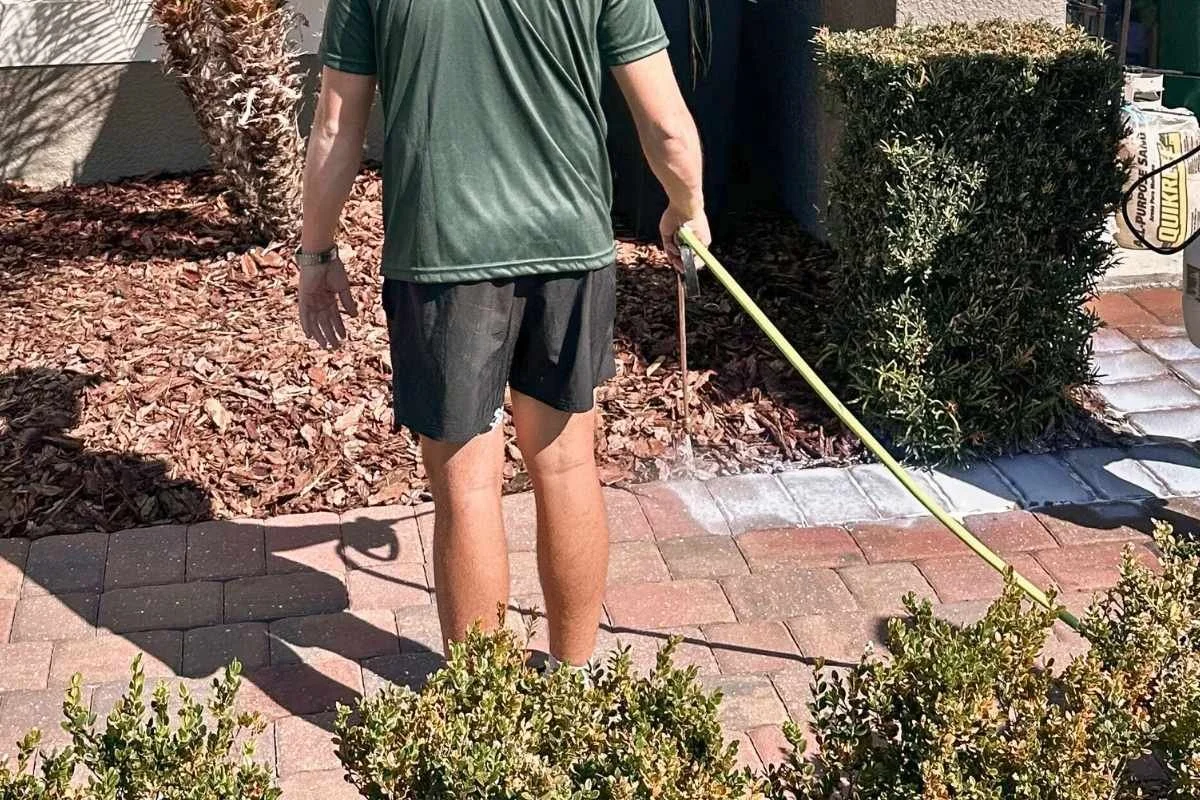
Frequency alone doesn’t determine longevity.
Preparation does.
Before sealing, surfaces must be:
Professionally cleaned
Fully dry
Properly sanded
Free of efflorescence or mineral buildup
If preparation is rushed, even a premium sealer won’t perform as expected.
The difference between a 1-year result and a 3-year result often lies in the prep work.
Frequently Asked Questions
How long does paver sealer last in South Florida
Most professional applications last between 2–3 years, depending on sun exposure, moisture cycles, and surface preparation quality.
Can you reseal pavers too soon?
Yes. Applying sealer too frequently can reduce breathability and create cloudy or uneven finishes in humid climates.
How do I know if my pavers need resealing?
If water no longer beads on the surface, color appears faded, or joint sand is loosening, it may be time for an evaluation.
Does sealing prevent efflorescence?
Proper sealing helps reduce moisture intrusion and slow mineral migration, but surface preparation and drainage also play a critical role.
The Bottom Line
In South Florida, most pavers benefit from resealing every 2–3 years — but condition always matters more than calendar.
At BravaSurface, based in Coral Springs and serving Broward County, we evaluate each surface before recommending maintenance.
Because sealing isn’t about how often you apply it.
It’s about applying it correctly.
Let your surface speak.