Dumpster Pad Odors in South Florida — Why They Happen and Why Maintenance Matters
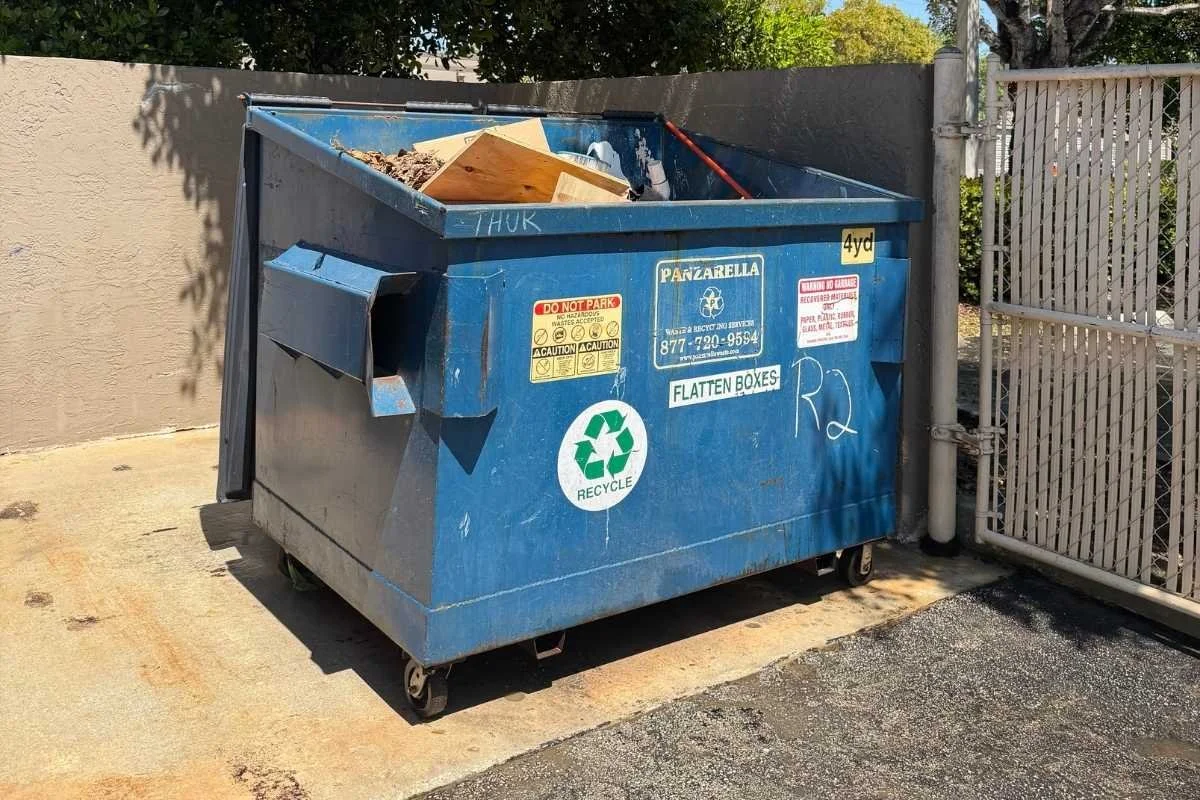
Dumpster pads are often treated as back-of-house areas.
But they can still affect how a commercial property feels, functions, and is perceived.
For restaurants, retail plazas, apartment communities, condo associations, HOAs, and managed properties in South Florida, dumpster areas are exposed to more than daily trash collection. They deal with heat, humidity, rain, food residue, grease, leaking bags, standing water, and repeated use by tenants, employees, vendors, residents, and waste service crews.
When these conditions build up, odor is often one of the first signs that the dumpster area needs attention.
The smell may not come from the dumpster alone.
In many cases, it comes from residue left behind on the concrete, around the dumpster pad, inside the enclosure, or in the surrounding service area.
Dealing with dumpster pad odor or grease buildup?
Heat, humidity, food residue, leaking bags, and standing water can make dumpster areas harder to maintain during South Florida summer.
Why Dumpster Pads Develop Odors
Dumpster pad odor is usually caused by a combination of conditions.
Food residue, grease, liquids from leaking trash bags, organic debris, oil, standing water, and dirty concrete can all contribute to odor-causing buildup.
Over time, this residue can collect in:
concrete pores
surface texture
low spots
cracks or joints
dumpster enclosure edges
surrounding service areas
areas where bags leak or dumpsters are moved
Once residue settles into the surface, the issue becomes harder to address with basic rinsing.
The dumpster itself may be part of the problem, but the surrounding surface often holds residue too.
That is why dumpster pad cleaning should focus on the pad, enclosure, surrounding concrete, and approved service areas — not only the visible trash container.
How South Florida Heat and Humidity Make the Problem Worse
South Florida conditions can make dumpster pad odors more noticeable.
Heat, humidity, and repeated rain create an environment where organic residue can break down faster and remain active for longer.
During humid months, moisture may stay on the surface longer, especially in shaded areas, enclosed dumpster spaces, or pads with poor drainage.
This can make odors stronger near:
restaurant waste areas
retail plaza dumpster enclosures
apartment and condo trash areas
grocery or food-service tenants
shared waste collection points
service corridors and loading areas
In Broward County, dumpster pad problems can become more noticeable during summer because heat and moisture intensify what is already on the surface.
The issue is rarely just one spill or one trash pickup.
It is usually repeated exposure over time.
Organic Residue, Decomposition, and Odor-Causing Buildup
A major source of dumpster pad odor is organic residue.
This may include food waste, liquids from leaking bags, grease, sauces, plant material, and other residue left behind after trash handling.
When organic material sits on concrete, especially in warm and humid conditions, it can begin to decompose.
As that material breaks down, bacterial activity may contribute to stronger and more persistent odors.
This does not mean every dumpster pad issue is a sanitation issue or that cleaning can eliminate every odor source. But it does mean that odor is often connected to residue that has built up on the surface over time.
That is why simply rinsing the area may not be enough.
The goal is to break down and remove odor-causing residue from the surface as part of a controlled cleaning process.
Grease and Food Residue Are Different From Ordinary Dirt
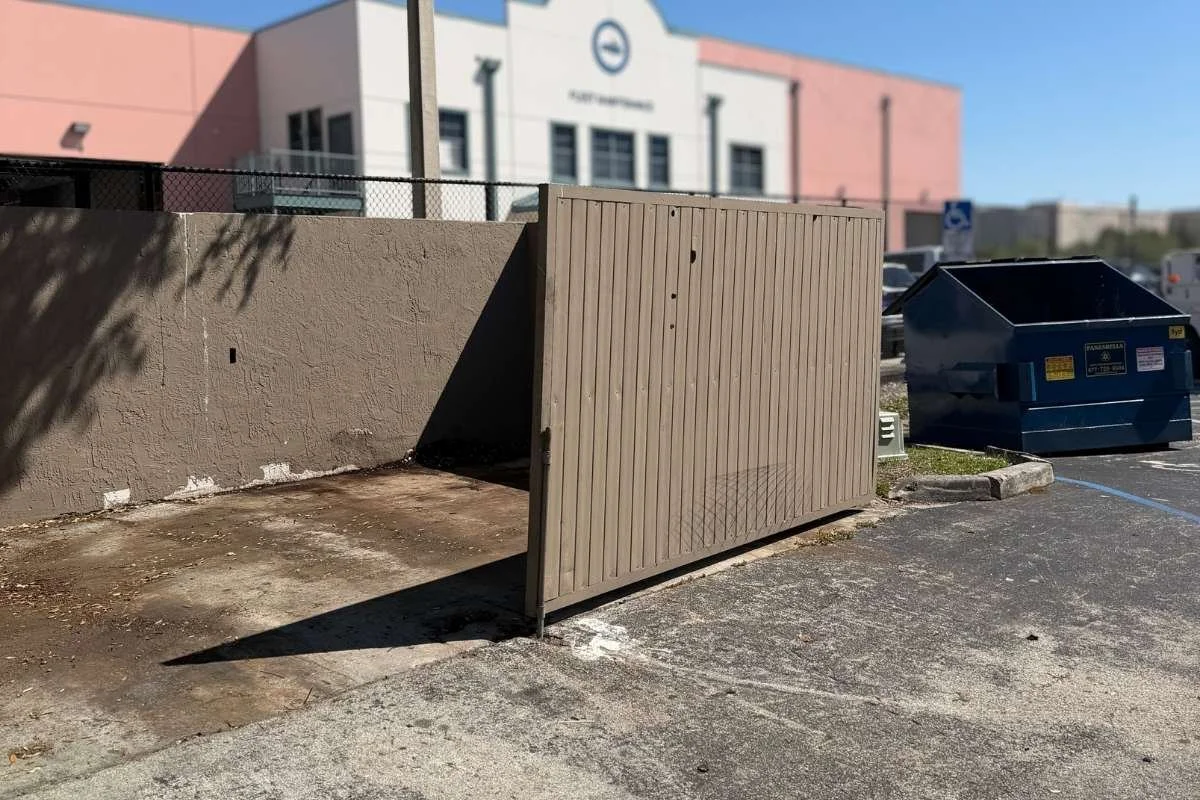
Grease and food residue behave differently from regular dirt.
They can bond to concrete, collect in textured areas, mix with liquids from trash bags, and create sticky buildup that becomes harder to remove over time.
This is especially common behind:
restaurants
coffee shops
grocery tenants
food-service businesses
commercial kitchens
retail plazas
mixed-use properties
apartment communities with shared waste areas
Cold water and pressure alone may move some loose dirt, but they often do not fully break down greasy or sticky residue.
Depending on the condition of the pad, dumpster pad cleaning may require degreasing, dwell time, hot water cleaning when appropriate, surface cleaning, and controlled rinsing.
The right method depends on the buildup, surface condition, drainage, access, and cleaning goal.
Why Basic Pressure Washing May Not Be Enough
Dumpster pad cleaning is not generic pressure washing.
Pressure can remove loose surface material, but more pressure does not automatically solve odor, grease, or food residue issues.
In some cases, pressure alone may only move dirty water around without properly breaking down buildup.
A more effective dumpster pad cleaning process may include:
site review
surface assessment
degreasing when needed
dwell time
hot water cleaning when appropriate
controlled pressure washing
surface cleaning
detailed rinsing
review of surrounding concrete and service areas
The goal is not simply to make the area look wet and rinsed.
The goal is to clean the approved surface area in a way that addresses the type of buildup present.
Dumpster pad cleaning is not just about pressure.
Grease, food residue, leaking bags, and odor-causing buildup may require degreasing, dwell time, hot water cleaning when appropriate, and controlled rinsing.
How Dumpster Pad Conditions Affect Property Perception
A dumpster pad may be located behind the property, but it still influences how the property is experienced.
Tenants, employees, vendors, residents, customers, owners, property managers, maintenance teams, and waste service crews may all interact with or pass near the area.
When a dumpster area has visible buildup, strong odor, dirty concrete, grease, leaking bags, or standing water, it can make the property feel less maintained — even if the front-facing areas look clean.
This matters for:
tenant experience
customer perception
resident complaints
vendor access
owner confidence
property manager responsiveness
overall maintenance standards
A dirty dumpster area can create the impression that maintenance is reactive rather than managed.
That is why commercial exterior cleaning is not only about appearance. It is part of how a commercial property communicates care, order, and attention to operational details.
Maintenance Matters More During This Time of Year
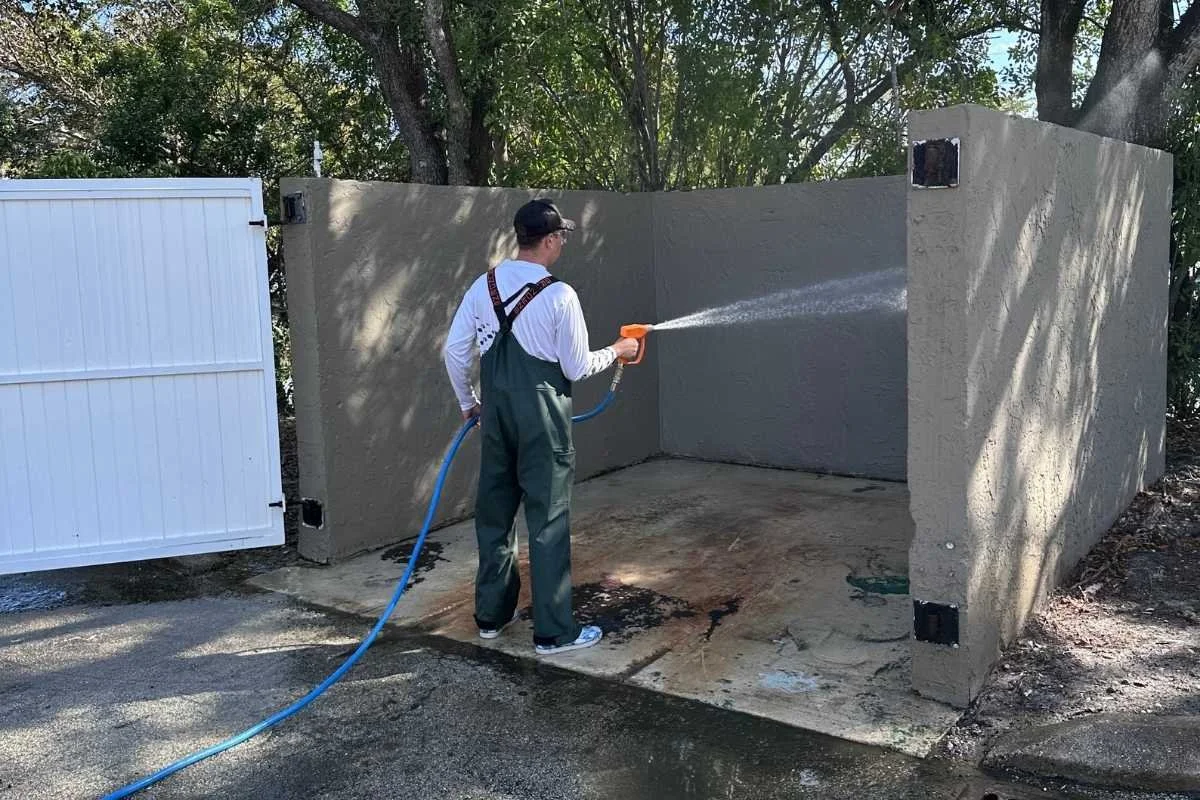
During South Florida summer, dumpster pad issues can become harder to ignore.
Heat can intensify odors. Humidity can help residue stay active. Rain can move dirty water and debris across surrounding concrete. Standing water can collect in low areas. Food residue and grease can build up faster when waste volume is high or shared between multiple tenants.
For property managers, this means the dumpster area may need more attention during humid and rainy months than it does during drier periods.
A one-time cleaning can help address a specific issue.
But if the same conditions return again and again, the property may benefit from recurring dumpster pad cleaning.
Recurring maintenance can help prevent the area from reaching the point where odor, buildup, or complaints become the trigger for action.
One-Time vs Recurring Dumpster Pad Cleaning
Not every dumpster pad needs the same schedule.
Some properties need a one-time deep cleaning because there is a specific issue: visible buildup, odor complaints, tenant concerns, inspection preparation, vendor changes, or a neglected dumpster area.
Other properties need recurring cleaning because the conditions are ongoing.
Recurring dumpster pad cleaning may make sense for:
restaurants
grocery tenants
retail plazas
commercial kitchens
apartment communities
condo associations
HOAs
high-volume waste areas
managed properties with shared dumpster areas
If grease, food residue, leaking bags, odor, or dirty concrete keeps returning, the issue is not only a cleaning problem.
It is a maintenance pattern.
What Property Managers Should Watch For
For property managers, the question is not only whether the dumpster pad looks dirty.
It is whether the area is becoming a recurring maintenance concern.
Signs to watch for include:
persistent odor near the dumpster area
grease or sticky buildup on concrete
food residue around the pad
leaking bags or liquid stains
standing water
dark or slippery buildup
tenant or resident complaints
dirty surrounding concrete
buildup spreading beyond the dumpster pad
the same problem returning after basic rinsing
These signs can help determine whether the area needs a one-time cleaning or a recurring maintenance plan.
The right approach depends on the property type, tenant use, waste volume, access, drainage, and how quickly buildup returns.
Need help with a commercial dumpster area?
Send the property location, photos, access notes, and cleaning priorities so the scope can be reviewed.
When Dumpster Pad Cleaning Makes Sense
Dumpster pad cleaning may be appropriate when the area has:
grease buildup
food residue
odor-causing residue
leaking trash bag stains
dirty concrete
standing water marks
sticky surface buildup
tenant or customer complaints
recurring maintenance issues
waste-area buildup spreading into nearby concrete
For restaurants, retail centers, apartment communities, condo associations, HOAs, and managed commercial properties in Broward County, dumpster pad cleaning can help support a cleaner, better-maintained waste area.
The goal is not to claim that cleaning solves every odor source.
The goal is to remove buildup from approved exterior surface areas and help the dumpster area align better with the rest of the property’s maintenance standards.
FAQs
Why do dumpster pads smell bad?
Dumpster pads often smell bad because of food residue, grease, leaking trash bags, liquids, standing water, and organic buildup left on concrete and surrounding surfaces. In warm and humid conditions, this residue can break down faster and contribute to stronger odors.
Why are dumpster pad odors worse in South Florida?
South Florida heat, humidity, and rain can make odor-causing residue more active and more noticeable. Moisture may also stay longer in shaded or enclosed dumpster areas, especially when drainage is limited.
Can pressure washing remove dumpster pad odors?
Pressure washing may help remove loose dirt, but odor-causing buildup often requires more than pressure alone. Depending on the condition, degreasing, dwell time, hot water cleaning when appropriate, and controlled rinsing may be needed.
Does hot water help with dumpster pad cleaning?
Hot water can help break down grease, oil, food residue, and sticky buildup when the surface calls for it. Not every dumpster pad needs hot water, but it can be useful for heavier commercial residue.
How often should dumpster pads be cleaned?
It depends on the property. Restaurants, grocery tenants, retail plazas, apartment communities, and high-volume waste areas may need recurring cleaning, while other properties may only need a one-time deep cleaning.
Can dumpster pad cleaning help with tenant or customer complaints?
Dumpster pad cleaning may help address visible buildup, odor-causing residue, dirty concrete, and unpleasant waste-area conditions that can contribute to complaints. The exact result depends on the condition of the area and the source of the issue.
Do dumpster enclosures need cleaning too?
In many cases, yes. Dumpster enclosures, surrounding concrete, gates, walls, curbs, and service areas can collect splatter, residue, odors, dirt, grease, and organic buildup.
Is dumpster pad cleaning only for restaurants?
No. Restaurants often have higher buildup because of food waste and grease, but dumpster pad cleaning can also be useful for retail plazas, apartment communities, condo associations, HOAs, grocery tenants, commercial kitchens, office parks, and managed properties.
The Bottom Line
Dumpster pad odor is usually not just a smell issue.
It is often a sign of residue, moisture, grease, food waste, leaking bags, and buildup collecting on the surface over time.
In South Florida, heat, humidity, and rain can make these conditions more noticeable, especially during the summer months.
For commercial properties, dumpster pad maintenance affects more than the back-of-house area. It can influence tenant experience, customer perception, vendor access, owner confidence, and the overall sense that the property is being properly maintained.
The right approach is not simply to use more pressure.
The right approach is to understand the buildup, choose the appropriate cleaning method, and maintain the area before it becomes a recurring problem.
Need help with dumpster pad odor, grease, or buildup?
A commercial cleaning evaluation can help determine whether your property needs one-time dumpster pad cleaning, recurring maintenance, degreasing, hot water cleaning when appropriate, or a more targeted exterior surface cleaning process.